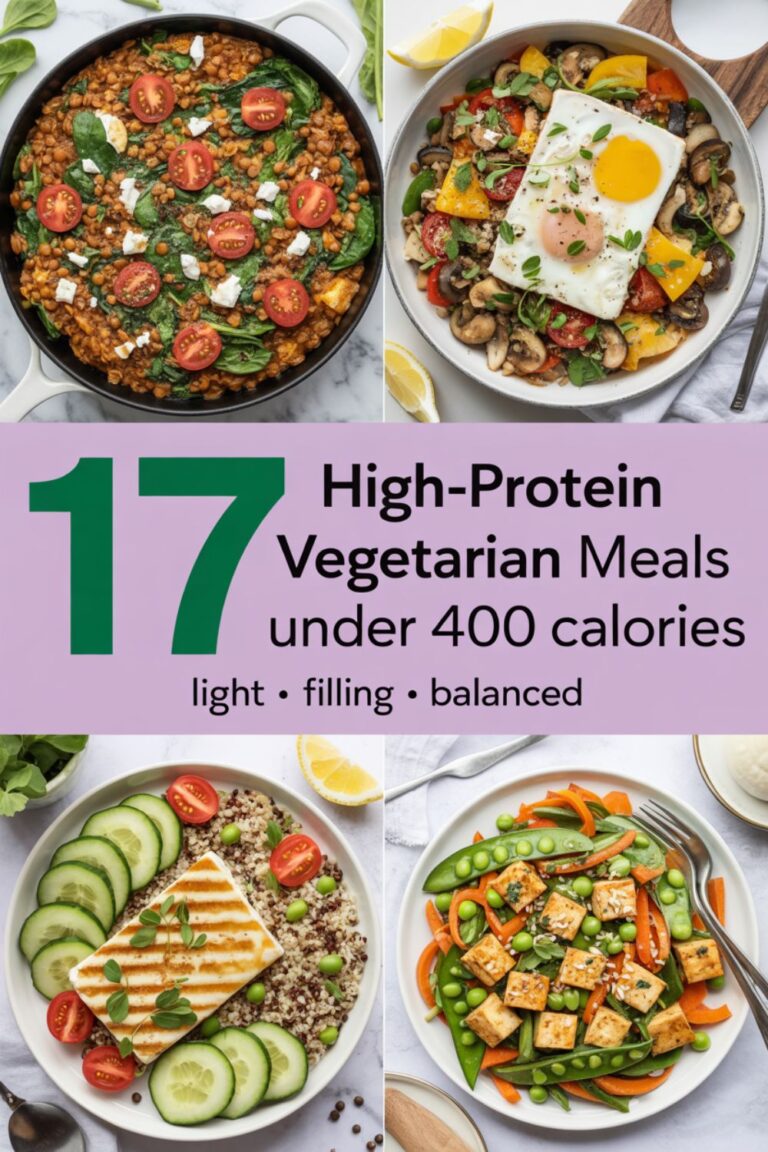
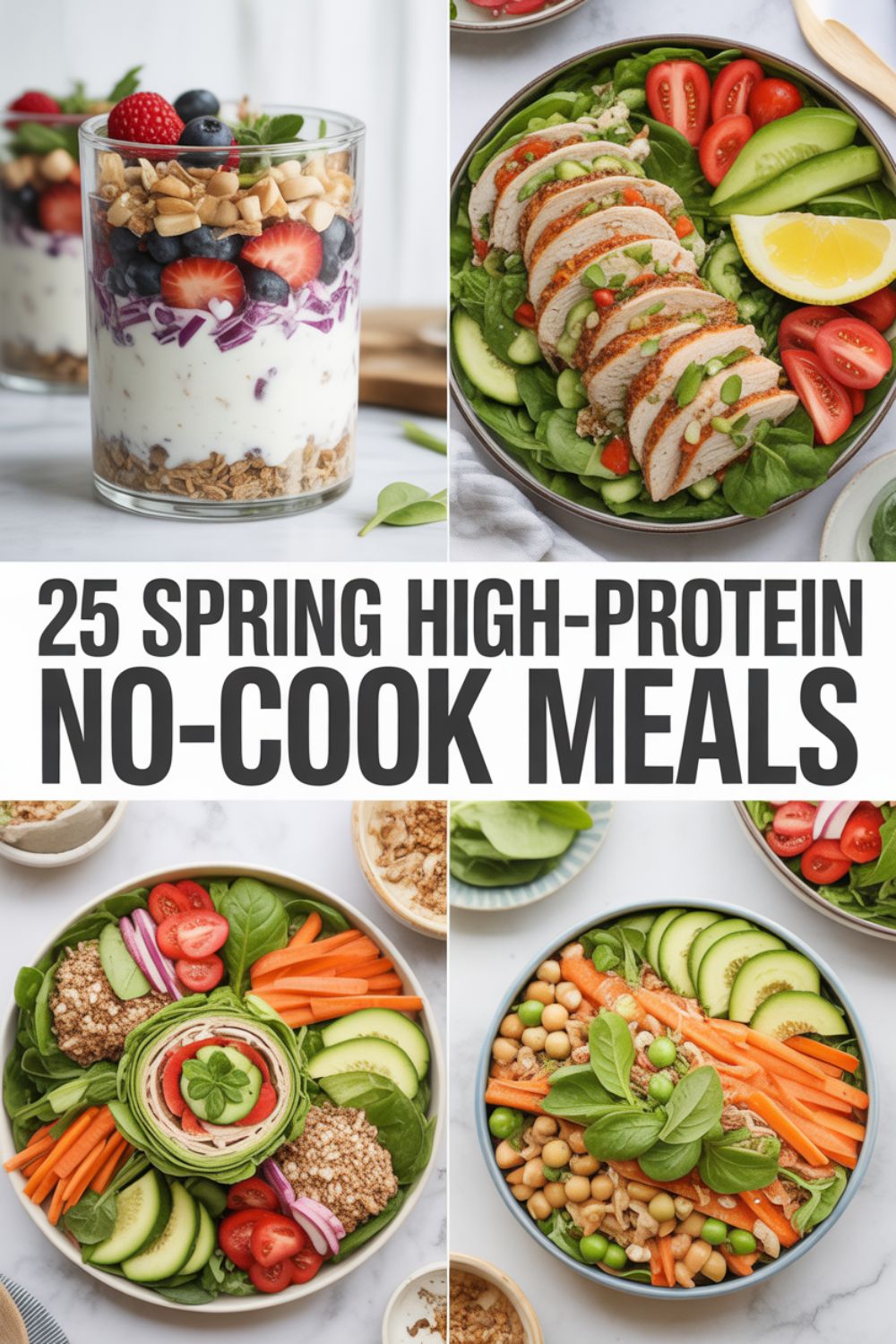
25 Spring High-Protein No-Cook Meals
Look, I get it. Spring rolls around and suddenly you’re supposed to want to cook everything fresh and light and Instagram-worthy. But what if I told you that the best spring meals don’t require turning on your stove at all? Yeah, I’m talking about high-protein, no-cook meals that’ll fuel your body without heating up your kitchen.
Here’s the thing about spring—it’s the season where fresh ingredients actually taste like something. Tomatoes aren’t mealy, greens are crisp, and everything just works better raw or minimally prepped. Plus, protein needs don’t take a vacation just because the weather’s nice. Whether you’re trying to maintain muscle, lose weight, or just feel full longer than 20 minutes after eating, protein remains your best friend.
So let’s talk about 25 spring meals that require zero cooking, pack serious protein, and won’t leave you feeling like you compromised your nutrition for convenience. No apologizing for being lazy—this is strategic meal planning.
Why No-Cook Spring Meals Make Sense
Spring produce is at its peak. Seriously, this is when vegetables actually want to be eaten raw. Winter squash needs roasting to be palatable, but spring greens? They’re practically begging you to leave them alone. The natural sweetness, the crisp texture—cooking would just get in the way.
And let’s talk about the practical side. You’re busier in spring. There are outdoor activities, longer days, and honestly, who wants to stand over a hot stove when the weather’s finally nice? No-cook meals mean you can assemble food in minutes and get back to whatever you’d rather be doing. According to Mayo Clinic Health System, spreading protein throughout the day—about 15 to 30 grams per meal—helps with satiety and maintaining muscle mass, which these no-cook meals accomplish perfectly.
Plus, there’s the energy factor. Heavy cooked meals in warm weather? Your body has to work harder to digest them, which generates more heat. Light, protein-rich, no-cook meals are easier on your system and keep you feeling energized instead of sluggish.
Pro Tip: Prep your proteins Sunday night. Hard-boil a dozen eggs, portion out Greek yogurt, and grab a rotisserie chicken. Thank yourself all week.
The Protein Powerhouses You’ll Actually Use
Let’s get real about no-cook protein sources. We’re not talking about weird protein powders or questionable bars that taste like cardboard. These are actual foods you can find at any grocery store.
Greek Yogurt and Cottage Cheese
Greek yogurt packs about 15-20 grams of protein per cup, and cottage cheese delivers around 25 grams. Both are ridiculously versatile. Mix them with fresh berries, use them as bases for savory bowls, or blend them into smoothies. I keep individual containers of both in my fridge constantly—they’re the foundation of probably half my spring meals.
Here’s a trick most people miss: cottage cheese isn’t just for eating with a spoon. Blend it smooth and use it as a creamy base for veggie bowls. Seriously, a good immersion blender makes cottage cheese completely different—silky instead of lumpy, and you get all that protein without the texture some people hate.
Canned Fish and Seafood
Canned tuna, salmon, and sardines are criminally underrated. A single can of tuna gives you about 20-25 grams of protein. Salmon adds omega-3 fatty acids, which research shows support cardiovascular health and reduce inflammation. Sardines pack even more nutrition with their tiny edible bones adding calcium.
The key is buying quality. Water-packed tuna is fine for mixing into salads, but oil-packed fish tastes exponentially better. I use these Spanish sardines in olive oil for spring bowls—they’re meaty, not fishy, and actually taste like food you’d choose to eat.
If you’re looking for more protein-forward ideas that use these ingredients, check out these low-calorie high-protein salad recipes that are perfect for quick spring lunches.
Rotisserie Chicken and Deli Meats
Rotisserie chicken is the ultimate no-cook protein hack. Three ounces gives you about 25 grams of protein, and one bird can feed you for days. Pull it apart, store it in containers, and add it to literally everything. For those interested in more chicken-focused meals, these spring chicken bowls for lean eating offer great inspiration.
Deli meats get a bad rap, but quality matters. Look for brands with minimal processing—just meat, salt, and spices. Turkey breast, roast beef, and ham all work. A serving typically has 15-19 grams of protein and takes exactly zero effort to incorporate into meals.
Eggs (The Hard-Boiled Heroes)
Hard-boiled eggs are spring meal prep gold. Each egg has 6 grams of protein, they last a week in the fridge, and they’re portable. I use this egg cooker that steams them perfectly every time—no watching a pot, no guessing if they’re done.
FYI, fresh spring eggs from local farms have bright orange yolks and taste completely different from supermarket eggs. Worth seeking out if you have access to a farmers market.
Plant-Based Proteins
Canned beans and chickpeas are fantastic—a cup of chickpeas has 15 grams of protein plus fiber. Edamame, tofu, and tempeh all work as no-cook proteins. Hemp hearts (10 grams per 3 tablespoons) and chia seeds (5 grams per 2 tablespoons) boost protein in smoothies and bowls without changing the flavor much.
For plant-based enthusiasts, these high-protein vegan meals demonstrate how versatile plant proteins can be in spring cooking.
25 Spring No-Cook High-Protein Meal Ideas
Breakfast Options
1. Greek Yogurt Parfait with Berries and Granola
Layer Greek yogurt with fresh strawberries, blueberries, and a handful of granola. Add a drizzle of honey. Simple, classic, about 20 grams of protein. Get Full Recipe.
2. Cottage Cheese Bowl with Cucumber and Dill
This savory breakfast hits different. Cottage cheese topped with sliced cucumber, fresh dill, cherry tomatoes, and everything bagel seasoning. About 25 grams of protein, and it tastes like a lighter version of lox and cream cheese.
3. Protein-Packed Overnight Oats
Mix oats with Greek yogurt, milk, chia seeds, and protein powder the night before. In the morning, top with fresh berries. Easy 30 grams of protein without turning on anything. The consistency is better cold anyway.
4. Hard-Boiled Eggs with Avocado Toast
Toast your bread (okay, minimal cooking), mash avocado on top, add sliced hard-boiled eggs, salt, pepper, red pepper flakes. Three eggs give you 18 grams of protein plus healthy fats from the avocado.
5. Spring Smoothie Bowl
Blend Greek yogurt, frozen strawberries, spinach (you won’t taste it), and protein powder. Pour into a bowl and top with fresh berries, hemp hearts, and sliced almonds. About 35 grams of protein. I make these in this high-speed blender that actually pulverizes everything smooth instead of leaving chunks.
Looking for more morning options? These protein-packed breakfasts for busy mornings are game-changers when you need to eat and run.
Quick Win: Make overnight oats in mason jars. Prep five at once, grab one each morning. Zero thought required before coffee.
Lunch Ideas
6. Tuna Salad Lettuce Wraps
Mix canned tuna with Greek yogurt (instead of mayo—more protein), diced celery, and seasonings. Wrap in butter lettuce leaves. Clean, crunchy, about 25 grams of protein.
7. Mediterranean Chickpea Bowl
Canned chickpeas, cucumber, tomatoes, red onion, feta cheese, olives, and lemon-olive oil dressing. This bowl is ridiculously satisfying and gives you about 20 grams of protein. Get Full Recipe.
8. Rotisserie Chicken Spring Salad
Mixed greens, pulled rotisserie chicken, strawberries, goat cheese, walnuts, and balsamic vinaigrette. The sweet-savory combo is perfect for spring. About 30 grams of protein if you’re generous with the chicken.
9. Egg Salad on Cucumber Rounds
Chop hard-boiled eggs, mix with Greek yogurt, mustard, salt, pepper, and paprika. Scoop onto thick cucumber slices instead of bread. Low-carb, high-protein, actually filling. About 18 grams of protein in a decent serving.
10. Caprese-Style Protein Plate
Fresh mozzarella, tomatoes, basil, prosciutto or salami, olives, and a drizzle of balsamic glaze. It’s basically an Italian cheese board but with enough protein to call it lunch. About 25 grams of protein depending on how much meat and cheese you use.
Speaking of lunch inspiration, these high-protein wraps and easy high-protein lunches expand your midday options beyond salads.
Dinner Ideas
11. Spring Panzanella with Canned Salmon
Chunk up day-old bread (or use croutons), toss with tomatoes, cucumber, red onion, basil, and canned salmon. Dress with olive oil and lemon. The bread soaks up the dressing and it’s somehow better than regular salad. About 28 grams of protein.
12. Shrimp Ceviche
Buy pre-cooked shrimp, “cook” it in lime juice with tomatoes, cilantro, avocado, and jalapeño. Serve with these grain-free tortilla chips. Technically no heat involved, tons of protein (about 25 grams per serving).
13. Cold Sesame Noodles with Tofu
Use pre-cooked noodles or rice noodles that just need soaking. Toss with cubed firm tofu, shredded carrots, edamame, and sesame-peanut dressing. About 22 grams of protein, and the leftovers are even better the next day. Get Full Recipe.
14. Greek-Style Protein Bowl
Quinoa (cook a big batch once, use all week), rotisserie chicken, cucumber, tomatoes, red onion, feta, olives, and tzatziki. This bowl is foolproof. About 35 grams of protein if you load up the chicken.
15. Italian Antipasto Plate
Salami, prosciutto, mozzarella, provolone, marinated artichokes, roasted red peppers, olives, and fresh bread. It’s dinner as a snack board, and honestly, it’s what I want to eat most spring evenings. About 30 grams of protein.
For complete dinner inspiration, check out these high-protein dinner recipes and busy weeknight dinners.
Snack and Light Meal Ideas
16. Protein-Packed Hummus Plate
Hummus made from chickpeas already has protein, but add hard-boiled eggs, carrots, cucumber, and cherry tomatoes for dipping. About 15 grams of protein in a full plate.
17. Turkey and Cheese Roll-Ups
Spread cream cheese on deli turkey, add spinach or arugula, roll up. Simple, portable, about 12 grams of protein per roll-up. Make a bunch and keep them in the fridge.
18. Cottage Cheese with Everything Seasoning
This is my go-to late-night protein hit. Just cottage cheese topped with everything bagel seasoning, sliced cucumbers, and cherry tomatoes. Tastes like you’re eating something more complex. About 25 grams of protein in one cup of cottage cheese.
19. Edamame with Sea Salt
Buy frozen shelled edamame, thaw, sprinkle with sea salt. One cup has 18 grams of protein. It’s that easy. I keep this fancy finishing salt just for edamame because regular table salt tastes flat.
20. Protein Smoothie
Greek yogurt, protein powder, frozen berries, spinach, almond milk, and nut butter. Blend and drink. About 40 grams of protein if you use a full scoop of powder plus yogurt. IMO, smoothies are meals, not drinks.
For more snacking inspiration, these protein snack ideas for work and metabolism-boosting protein snacks keep you fueled between meals.
Pro Tip: Buy pre-cut vegetables. Yes, they cost more. Your time is worth something, and you’ll actually eat them instead of letting whole vegetables rot in the crisper.
Advanced No-Cook Combinations
21. Deconstructed Spring Roll Bowl
Rice noodles (just soak them), shrimp, cucumber, carrots, mint, cilantro, and peanut sauce. All the flavors of spring rolls without the rolling. About 22 grams of protein.
22. Smoked Salmon Protein Plate
Smoked salmon, cream cheese, capers, red onion, cucumber, and these seeded crackers. It’s fancy without trying. About 20 grams of protein, plus those omega-3s we’re all supposed to get more of.
23. Mexican-Style Protein Bowl
Black beans, corn (thawed from frozen), diced tomatoes, avocado, shredded cheese, salsa, and Greek yogurt as sour cream. Add some tortilla chips if you want. About 25 grams of protein.
24. Nicoise-Inspired Bowl
Canned tuna, hard-boiled eggs, green beans (blanched quickly or just raw if they’re young spring beans), cherry tomatoes, olives, and lemon vinaigrette. This is what I make when I want to feel like I’m eating at a bistro but I’m actually standing in my kitchen in sweatpants. About 30 grams of protein. Get Full Recipe.
25. Asian-Inspired Tofu and Edamame Bowl
Cubed firm tofu (no cooking needed), edamame, shredded cabbage, carrots, sesame seeds, and ginger-soy dressing. About 25 grams of protein and super filling because of all the fiber. I prep these in these glass meal prep containers that don’t stain or hold smells like plastic does.
If you’re into bowl-style meals, these quick protein bowls and meal prep bowls offer endless variety.
Meal Prep Essentials Used in These Recipes
Here’s what actually makes no-cook spring meals easier. These aren’t random recommendations—I use all of these constantly.
Physical Products:
- Glass Meal Prep Containers – These don’t get gross like plastic. Spring salads with vinaigrette need containers that won’t stain or smell like last week’s lunch.
- High-Speed Blender – For smoothies that are actually smooth, not chunky protein powder disasters. Worth the investment.
- Immersion Blender – Makes cottage cheese silky, blends dressings right in the jar, generally makes life easier.
Digital Resources:
- 7-Day High-Protein Meal Plan for Beginners – Takes the guesswork out of weekly planning
- Weekly Meal Prep Guide – Shows you how to prep efficiently without wasting food
- 14-Day Lunch Plan – Because lunch is where most people struggle with no-cook options
Making No-Cook Spring Meals Actually Work
Here’s what nobody tells you about no-cook meals: they require more planning than cooked meals, not less. When you’re not using heat to transform ingredients, the quality of those ingredients matters exponentially more.
Shopping Strategy
Buy protein in bulk on Sunday. Rotisserie chicken, hard-boiled eggs, Greek yogurt, cottage cheese, canned fish. Having these ready means assembling meals takes five minutes instead of “screw it, I’ll just order takeout” minutes.
Spring vegetables are worth buying fresh and using quickly. Unlike winter root vegetables that keep forever, spring produce is more delicate. Buy what you’ll actually eat this week, not what you think you should eat.
Flavor Matters More
When you’re not cooking, you’re not building flavor through caramelization or reduction or any of those fancy techniques. You need to compensate with good-quality ingredients and bold seasonings.
Fresh herbs—basil, cilantro, dill, mint—transform boring protein bowls into actual meals you want to eat. Good olive oil, real lemon juice (not that bottled stuff), quality salt. These things matter when you’re assembling rather than cooking. I keep this finishing olive oil just for drizzling on completed dishes—it tastes completely different from cooking olive oil.
Texture Balance
No-cook meals can get mushy fast if everything’s soft. You need crunch. Raw vegetables, nuts, seeds, crispy chickpeas (buy them pre-roasted or make a batch once and use all week). The contrast between creamy protein sources and crunchy vegetables keeps meals interesting.
Ever noticed how restaurant salads are better than yours? It’s usually the textural variety. They mix soft avocado with crisp lettuce with crunchy croutons with creamy cheese. Your home salads should do the same.
Nutrition Considerations Beyond Protein
Yeah, protein is the focus here, but you can’t live on protein alone. (Well, you could, but you’d feel terrible.) No-cook spring meals naturally include lots of vegetables, which means fiber, vitamins, and all those micronutrients we’re supposed to care about.
Spring vegetables like asparagus, peas, and radishes provide vitamin C, folate, and various antioxidants. Leafy greens add iron and calcium. Tomatoes deliver lycopene. You’re getting a solid nutrition profile just by eating seasonally.
The difference between whey and casein protein, or comparing peanut butter versus almond butter for protein density—these details matter less than consistently hitting your protein targets with whole foods. Both nut butters offer about 8 grams of protein per two tablespoons, but whole food sources like Greek yogurt or rotisserie chicken provide more complete amino acid profiles.
One thing to watch: sodium. Canned fish, deli meats, and prepared proteins can be salty. Balance them with fresh vegetables and watch your overall sodium intake if that’s a concern for you.
For those tracking macros more precisely, these meal plans for beginners break down nutritional information clearly.
When No-Cook Doesn’t Work
Let’s be honest—no-cook meals have limitations. They’re perfect for lunch, breakfast, and light dinners. They’re ideal when it’s hot, when you’re busy, when you’re tired. But sometimes you just want warm food.
Cold meals can feel less satisfying psychologically, especially if you’re used to hot dinners. If you’re someone who needs that warmth and comfort, no-cook meals might work better for lunch while you cook dinner.
Also, if you’re feeding kids or picky eaters, cold protein bowls might not fly. Though honestly, most kids I know would happily eat turkey and cheese roll-ups or yogurt parfaits, so maybe it’s worth trying.
For those times when you do want to cook but keep it simple, these one-pan meals and slow cooker recipes minimize effort while delivering hot food.
Pro Tip: Meal prep counts as cooking. Make a big batch of quinoa, hard-boil eggs, and prep vegetables on Sunday. The rest of the week is truly no-cook assembly.
Frequently Asked Questions
How much protein do I actually need per day?
Most adults need about 0.8 grams of protein per kilogram of body weight, which translates to roughly 46 grams for women and 56 grams for men. However, if you’re active, trying to lose weight, or over 40, you’ll likely benefit from more—around 1.2 to 1.6 grams per kilogram. The key is spreading it throughout the day rather than loading up at one meal. Aim for 15-30 grams per meal.
Can I really get enough protein without cooking?
Absolutely. Greek yogurt, cottage cheese, rotisserie chicken, canned fish, hard-boiled eggs, and quality deli meats all provide substantial protein without any cooking required. A typical no-cook meal can easily deliver 25-35 grams of protein. The trick is planning ahead and keeping these staples stocked. No-cook doesn’t mean low-protein—it just means strategic shopping.
Are no-cook meals good for weight loss?
They can be. High-protein meals help with satiety, meaning you feel full longer and are less likely to snack mindlessly. No-cook meals also tend to include more vegetables and fewer added fats than cooked meals. However, weight loss ultimately comes down to calorie balance. These meals work because they’re portion-controlled, nutrient-dense, and hard to overeat—unlike, say, a pint of ice cream.
How long do no-cook meals last in the fridge?
Most no-cook protein bowls last 3-4 days in the fridge. Keep dressings separate to prevent sogginess. Hard-boiled eggs last about a week. Pre-cooked proteins like rotisserie chicken are good for 3-4 days. Dairy products like Greek yogurt follow their expiration dates. The key is storing components separately and assembling fresh—this extends freshness and keeps textures intact.
What’s the best way to make no-cook meals more filling?
Add fiber. Pair your protein with vegetables, beans, or whole grains like quinoa. Include healthy fats from avocado, nuts, or olive oil—fat slows digestion and increases satiety. Make sure you’re getting adequate volume; sometimes cold meals feel less filling simply because portion sizes are smaller. A generous spring bowl with protein, veggies, and a grain or legume should keep you satisfied for hours.
Wrapping This Up
Spring no-cook meals aren’t about being lazy. They’re about working smarter, eating seasonally, and getting solid nutrition without unnecessary effort. When produce is this good, cooking sometimes just gets in the way.
The 25 meals here are starting points. Mix proteins, swap vegetables based on what looks good at the market, adjust flavors to your preferences. The beauty of no-cook meals is their flexibility—there’s no recipe to mess up because you’re just assembling ingredients.
Stock your protein sources, keep spring vegetables on hand, and you’ll have actual meals ready in minutes. No heat required, no excuses needed. Just real food that fuels your body and doesn’t take over your kitchen.
Now go eat something good. Your protein needs aren’t going to meet themselves.
30-Day High-Protein
Low-Calorie Meal Plan
Every breakfast, lunch, dinner & snack — all 30 days fully mapped out. Just follow the plan.
- ✓50+ complete recipes with ingredients & step-by-step instructions
- ✓4-week day-by-day plans — every meal for all 30 days
- ✓4 weekly shopping lists organised by store section
- ✓Printable habit & progress tracker — 30 full days
- ✓100g+ protein per day — scientifically optimised macros
Instant PDF · Print at home
Results guaranteed with consistency