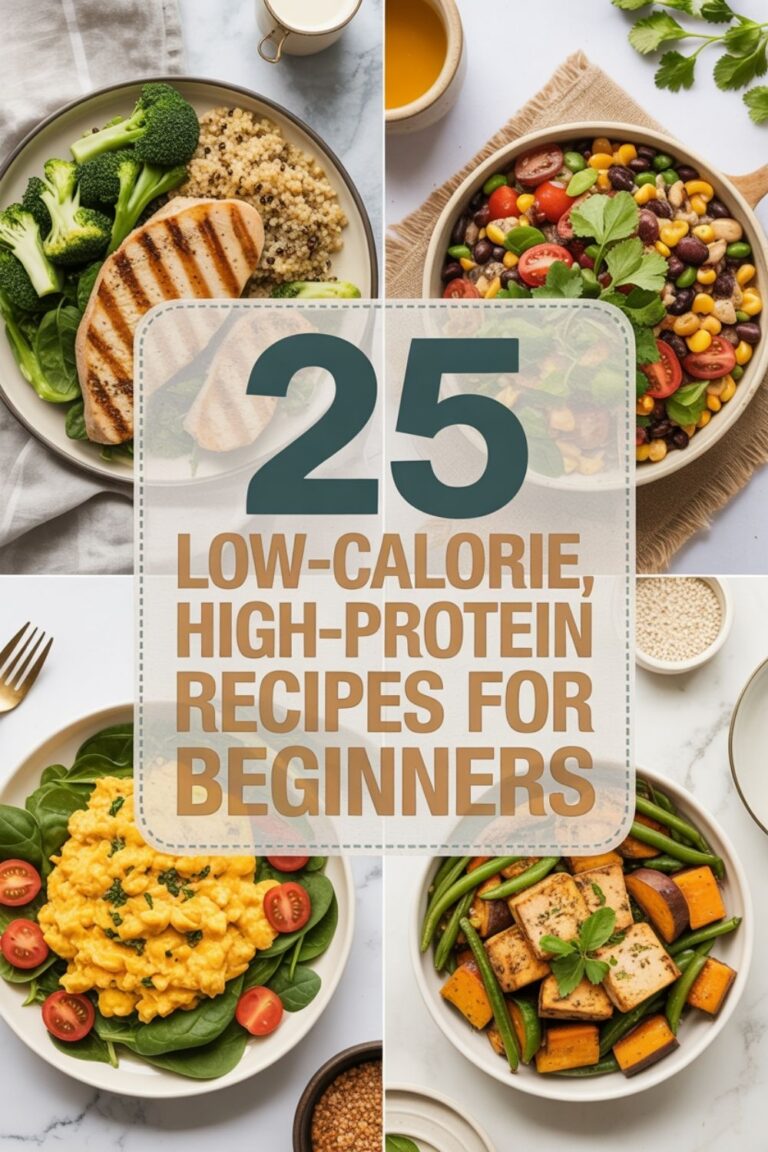
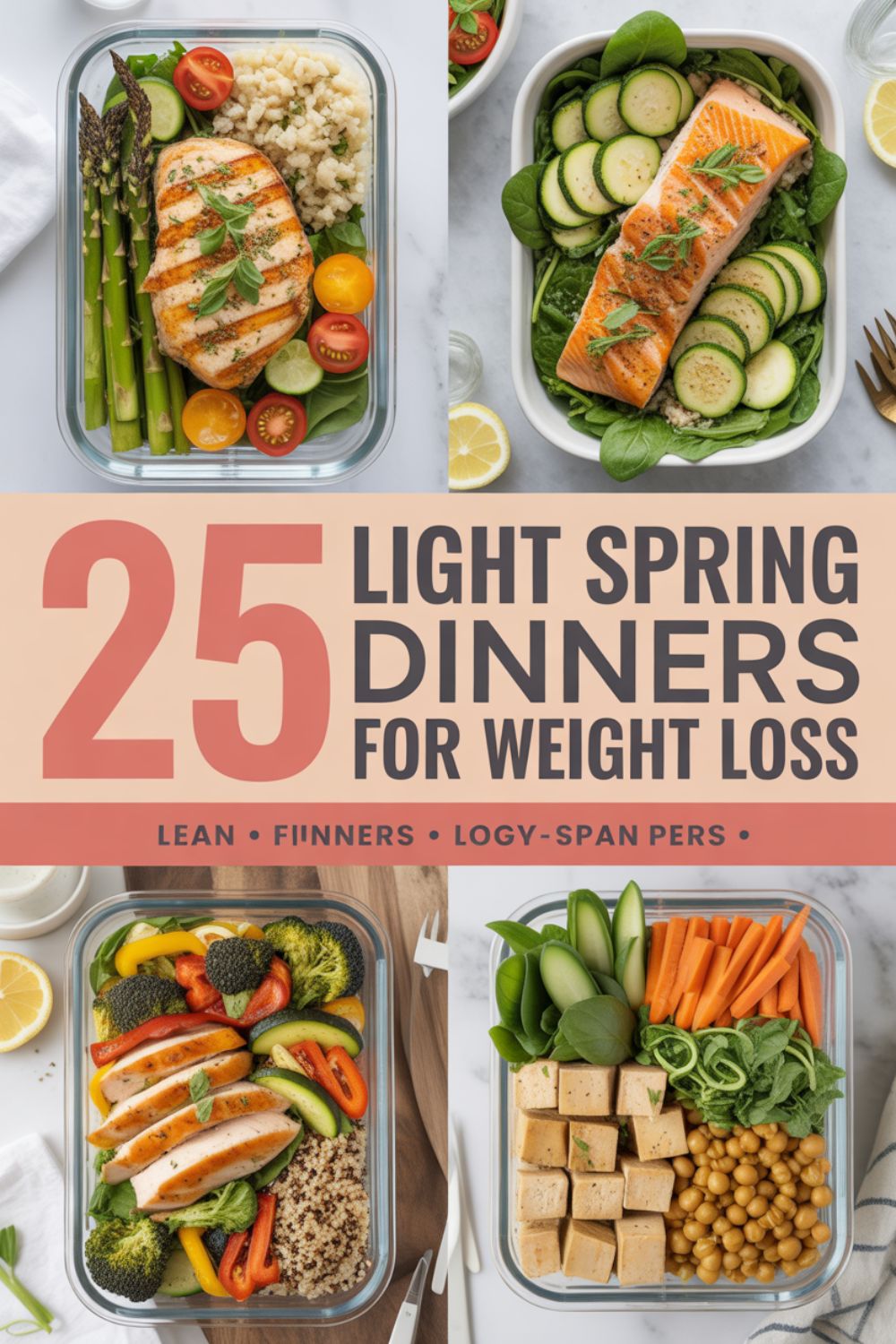
25 Light Spring Dinners for Weight Loss
Listen, I get it. You’re tired of the same boring grilled chicken and steamed broccoli routine, and your taste buds are begging for something that actually tastes like food. Spring is basically nature’s way of saying, “Hey, here’s a bunch of delicious stuff that won’t completely derail your weight loss goals.” And honestly? I’m here for it.
The thing about spring dinners is they don’t need to feel like punishment. Fresh asparagus, tender peas, vibrant greens—these aren’t just Instagram-worthy ingredients. They’re legitimately packed with nutrients that help your body do its thing. Spring vegetables reach their nutritional peak when they’re in season, which means you’re getting more bang for your buck in terms of vitamins, minerals, and all those good antioxidants.
I’ve spent the last few weeks testing dinner ideas that are light enough to keep you on track but satisfying enough that you’re not raiding the pantry at 9 PM. No weird ingredients you can’t pronounce, no recipes that require a culinary degree. Just real food that happens to support your weight loss journey without making you feel like you’re missing out.
Why Spring Is Actually Perfect for Weight Loss
Okay, so here’s the deal. Spring vegetables are naturally lower in calories but ridiculously high in fiber and water content. That means you can eat larger portions without overdoing it on calories—which is basically the holy grail of dieting, if you ask me.
Take leafy greens like spinach and arugula. These powerhouses are loaded with iron, calcium, and vitamins while being practically calorie-free. And asparagus? It’s got this natural diuretic effect that helps reduce bloating. Not gonna lie, that’s pretty clutch when you’re trying to feel good in your clothes.
But what really seals the deal is protein. Research shows that high-protein diets increase satiety and preserve lean muscle mass during weight loss, which is exactly what you want. Pair that protein with spring veggies, and you’ve got dinners that keep you full without weighing you down.
Pro Tip: Prep your spring veggies on Sunday night—wash, chop, and store them in glass containers. You’ll thank yourself all week when dinner takes 15 minutes instead of 45.
The Magic of Protein-Packed Spring Meals
Here’s something most people don’t realize: protein requires 20-30% of its energy just to be digested, compared to only 5-10% for carbs and 0-3% for fats. Translation? Your body literally burns more calories processing protein than it does processing other macros. It’s like getting a metabolic bonus for eating the right foods.
I’ve been incorporating lean proteins like chicken breast, white fish, and even turkey into my spring dinners, and the difference is noticeable. You stay fuller longer, and you’re not battling those annoying cravings that usually show up around 8 PM. If you’re looking for more inspiration, these high-protein low-calorie dinner recipes have been game-changers in my kitchen.
The best part? Spring proteins don’t have to be boring. Grilled salmon with lemon and dill, herb-crusted chicken with roasted radishes, or even shrimp tossed with snap peas—these meals feel fancy but take minimal effort. Speaking of chicken, I’ve been obsessed with these spring chicken recipes for fat loss that prove healthy eating doesn’t have to be bland.
Building Your Perfect Spring Dinner Formula
Start With a Lean Protein Base
Your foundation should always be a quality protein source. I’m talking chicken breast, turkey, white fish like cod or halibut, shrimp, or even tofu if you’re plant-based. Aim for about 4-6 ounces per serving—enough to keep you satisfied without going overboard on calories.
The cooking method matters too. Grilling, baking, or sautéing with this avocado oil spray keeps things light while adding flavor. I’ve basically ditched my old nonstick pan in favor of this ceramic skillet because nothing sticks and cleanup is stupidly easy.
Load Up on Spring Vegetables
This is where the magic happens. Asparagus, snap peas, radishes, baby carrots, zucchini, bell peppers—the list goes on. These vegetables are nutrient-dense, which is fancy talk for “lots of good stuff, not many calories.” Plus, they add serious volume to your plate, which tricks your brain into thinking you’re eating more than you actually are.
I like roasting vegetables at 425°F with a light drizzle of olive oil, some garlic, and whatever herbs I have lying around. The high heat caramelizes everything and brings out natural sweetness. If you want to get really efficient, grab these silicone baking mats—zero sticking, zero scrubbing. Life-changing, honestly.
For more plant-forward options that still pack serious protein, check out these high-protein vegan meals that even meat-eaters will love.
Add Smart Carbs (Yes, Really)
Carbs aren’t the enemy, despite what every fad diet will tell you. The key is choosing the right ones. Quinoa, brown rice, sweet potato, or even a small portion of whole-grain pasta can round out your meal and provide sustained energy.
I usually stick to about a half-cup serving, which is enough to feel satisfied without feeling stuffed. And if you’re meal prepping, this rice cooker has been worth every penny—perfect portions every single time.
Quick Win: Make a big batch of quinoa or brown rice at the start of the week. Store it in portions, and you’ll have an instant base for any spring dinner. Game changer for those nights when cooking feels impossible.
My Go-To Spring Dinner Blueprint
Alright, let’s get practical. Here’s the basic formula I use for literally every spring dinner, with endless variations so you never get bored.
The Classic: Grilled Protein + Roasted Veggies
This is my default when I can’t think of anything else. Grill up some chicken breast or salmon, roast whatever spring vegetables look good at the market, and call it a day. Season with lemon, herbs, garlic—whatever sounds good. It’s simple, it’s effective, and it works.
The trick is variety. Monday might be lemon herb chicken with asparagus. Wednesday could be garlic shrimp with zucchini and cherry tomatoes. Friday? Maybe it’s grilled turkey breast with roasted radishes and snap peas. Get Full Recipe Same formula, completely different meals.
The Bowl Method
I’m borderline obsessed with bowl meals right now. They’re basically adult Lunchables but way healthier. Start with a base of greens or grains, add your protein, pile on roasted or raw spring veggies, and finish with a light dressing.
My favorite combo lately has been quinoa, grilled chicken, roasted asparagus, cherry tomatoes, cucumber, and a drizzle of lemon tahini dressing. It’s fresh, it’s filling, and it checks all the boxes. For more bowl inspiration, these meal prep bowls are absolute winners.
If you’re into Mediterranean flavors, you absolutely need to try these spring Mediterranean bowls—they’re loaded with fresh herbs, lean proteins, and all the good fats that keep you satisfied.
Sheet Pan Everything
Sheet pan dinners are my secret weapon for lazy nights. Throw everything on one pan, season it, roast it, done. Minimal dishes, maximum flavor. I’ve been making variations of sheet pan dinners for weeks now, and honestly, they never get old.
Try chicken thighs (bone-in for more flavor) with baby potatoes, asparagus, and bell peppers. Toss everything with olive oil, garlic, rosemary, salt, and pepper. Roast at 400°F for about 35-40 minutes. That’s it. Dinner’s done, and you have leftovers for lunch.
And speaking of sheet pan magic, these spring sheet pan meals have saved my weeknights more times than I can count. One pan, minimal cleanup, maximum deliciousness.
Kitchen Tools That Make Spring Cooking Actually Easy
Look, I’m not here to sell you stuff you don’t need. But these tools have genuinely made cooking light spring dinners so much easier that I’d feel guilty not sharing them.
- Cast iron grill pan – Perfect grill marks without firing up the outdoor grill. Great for chicken, fish, and vegetables.
- Glass meal prep containers set – These have been life-changing for storing prepped veggies and cooked proteins. Microwave-safe and they don’t stain.
- Herb keeper – Keeps fresh herbs like cilantro and parsley fresh for literally weeks instead of days. No more sad, wilted herbs.
- Weekly meal planner app – Makes planning your spring dinners so much easier. Pre-loaded with seasonal recipes and generates shopping lists automatically.
- Macro tracking guide for weight loss – Finally understand how much protein, carbs, and fat you actually need. Takes the guesswork out.
- 50 Spring Dinner Recipe eBook – All the inspiration you need for light, protein-packed spring meals. Includes nutritional info and prep times.
Real Talk About Portion Sizes
Here’s where people usually mess up, myself included. Even healthy food can sabotage weight loss if you’re eating massive portions. I learned this the hard way after wondering why I wasn’t seeing results despite eating “clean.”
For dinner, aim for a plate that’s about half vegetables, a quarter protein, and a quarter smart carbs. This visual method is way easier than weighing everything, and it’s surprisingly effective. I use these portion control plates that have the sections already marked—takes zero brainpower, which is exactly what I need after a long day.
And honestly? Sometimes measuring your food for a week or two really opens your eyes to what actual serving sizes look like. That small kitchen scale sitting in my cabinet has taught me that my “normal” portions were definitely closer to double servings. Whoops.
Making It Work With Your Actual Life
Meal Prep Without Losing Your Mind
I’m not gonna tell you to spend your entire Sunday batch-cooking 47 different meals. That’s not realistic, and it sounds miserable. Instead, prep components that you can mix and match throughout the week.
Grill or bake a few chicken breasts. Roast a big sheet pan of mixed vegetables. Cook a pot of quinoa or brown rice. Prep some simple salad dressings. Done. Now you can throw together different combinations all week without eating the same meal five times.
For a complete meal prep strategy, check out these spring meal prep ideas that actually work with a busy schedule.
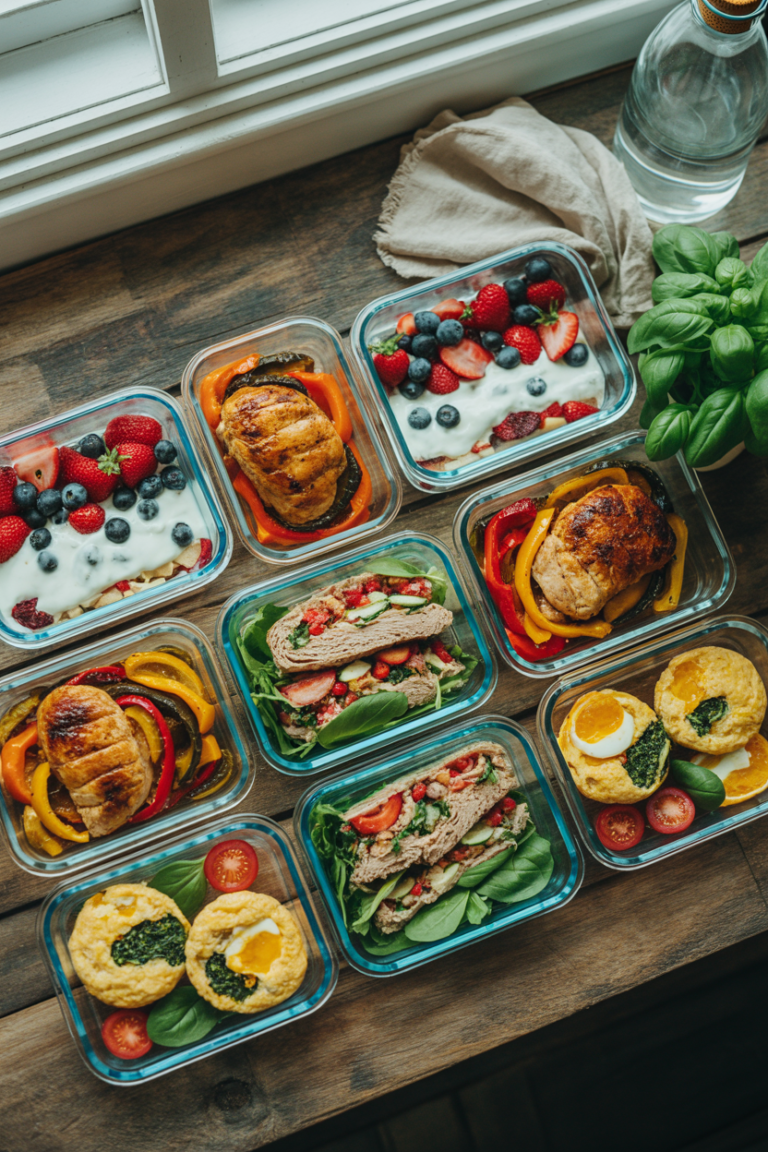
Pro Tip: Invest in a few good glass containers with separate compartments. Store your protein, carbs, and veggies separately so nothing gets soggy. Assemble right before eating. Trust me on this one.
Quick Dinners for Those Chaotic Nights
Some nights, you just don’t have it in you to cook. I get it. This is where having a few ultra-quick recipes in your back pocket saves the day. These busy weeknight dinners are all under 30 minutes and require minimal cleanup.
My emergency dinner is simple: scramble some eggs with whatever vegetables are in the fridge, serve with a side of fresh fruit. Done in 10 minutes, high in protein, and actually satisfying. Not Instagram-worthy, but who cares? You’re fed, it’s healthy, and you didn’t order takeout. That’s a win.
If you’re looking for even faster options, these 5-ingredient recipes have saved me on more rushed evenings than I care to admit. Sometimes simple really is better.
Common Mistakes to Avoid
Don’t Skip the Fat
Okay, this seems counterintuitive when you’re trying to lose weight, but hear me out. A little bit of healthy fat makes your meal way more satisfying and helps you absorb certain vitamins. Plus, fat-free dressings taste like sadness.
A tablespoon of olive oil, a quarter of an avocado, a sprinkle of nuts or seeds—these additions won’t derail your progress, and they’ll make your meals actually enjoyable. That’s crucial for sticking with this long-term.
Stop Overcooking Your Vegetables
Mushy vegetables are nobody’s friend. They lose nutrients, they lose texture, and they lose flavor. Roast them until they’re tender but still have some bite. Sauté them quickly over high heat. Steam them just until they’re bright and crisp-tender.
I use this vegetable steamer basket that fits right in my regular pot. Vegetables come out perfect every time, and cleanup takes about 30 seconds. No more soggy broccoli disasters.
Don’t Forget Flavor
This is huge. Light doesn’t have to mean bland. Fresh herbs, citrus zest, garlic, ginger, spices—these ingredients add tons of flavor without adding calories. My spice cabinet has gotten a serious upgrade lately, and it’s made all the difference.
A citrus zester has become one of my most-used tools. Lemon zest over roasted asparagus, lime zest on grilled shrimp, orange zest in a spring salad—it adds brightness and complexity without any effort.
Spring Proteins That Hit Different
Salmon and Other Fatty Fish
Spring is prime time for fresh fish, and salmon should be your best friend right now. It’s high in protein, loaded with omega-3s, and pairs beautifully with seasonal vegetables. Grill it, bake it, or pan-sear it—all methods work.
A simple preparation: season with salt, pepper, and dill. Top with lemon slices. Bake at 400°F for about 12-15 minutes. Serve with roasted asparagus and a light salad. Boom. Restaurant-quality dinner in 20 minutes. These spring fish bowls are another fantastic way to enjoy seafood this season.
Chicken, But Make It Interesting
Chicken breast gets a bad rap for being boring, but that’s only if you’re cooking it wrong. Marinate it in lemon juice, herbs, and a splash of olive oil for at least 30 minutes. The acidity tenderizes the meat, and you end up with something actually flavorful.
My current obsession is herb-crusted chicken with a mixture of parsley, basil, and thyme. It looks fancy, tastes amazing, and takes minimal effort. Get Full Recipe Serve it alongside some spring chicken bowls for the ultimate protein-packed meal.
Turkey: The Underrated MVP
Ground turkey and turkey breast are criminally underused, IMO. They’re lean, high in protein, and super versatile. Ground turkey works great in lettuce wraps, turkey meatballs, or mixed with vegetables in a stir-fry.
Turkey breast can be grilled or baked just like chicken, but it has a slightly different flavor profile that keeps things interesting. Season it well—turkey needs flavor more than chicken does—and you’re golden.
Light Spring Salads That Actually Fill You Up
Salads don’t have to be sad bowls of iceberg lettuce. Build them right, and they become legitimate meals that keep you satisfied for hours. The secret? Protein, fiber, healthy fats, and lots of texture.
Start with a base of mixed greens—spinach, arugula, butter lettuce, whatever you like. Add grilled chicken or salmon. Throw in some roasted vegetables, a handful of chickpeas or beans, some sliced avocado, and a sprinkle of nuts or seeds. Dress it with a light vinaigrette.
That’s not a side dish—that’s a complete meal. And if you make the components ahead of time, you can assemble it in under five minutes. These spring salads have been my lunch staple, but they work just as well for lighter dinners.
For even more protein-packed salad ideas, these high-protein salad recipes are total lifesavers when you need something fast and filling.
The Truth About Eating Out
Look, you’re going to eat out sometimes. That’s normal. The key is making smart choices that align with your goals without completely stressing about every calorie.
Order grilled proteins—fish, chicken, shrimp. Ask for vegetables instead of fries or a heavy starch. Request dressings and sauces on the side so you can control how much you use. Skip the bread basket if it’s just mindless eating while you wait.
Most restaurants are happy to accommodate requests. You don’t have to be that person asking for 17 modifications, but simple swaps are totally fine. And honestly? Most places serve portions that are way too big anyway. Ask for a to-go box right when your food arrives and pack up half immediately. Instant lunch for tomorrow.
Quick Win: Before heading to a restaurant, check the menu online and decide what you’ll order. Takes the pressure off in the moment and helps you make a decision that aligns with your goals.
Staying Consistent (Even When You Don’t Feel Like It)
Here’s the real talk nobody wants to hear: consistency matters more than perfection. You don’t have to eat perfectly clean spring dinners every single night. You just have to do it most of the time.
I aim for about 80% on track, 20% flexibility. That means most of my dinners are light, protein-rich, and vegetable-heavy. But if I want pizza on Friday night? I have pizza. One meal isn’t going to derail everything if the other 90% of your meals are solid.
This approach has kept me sane and actually enjoying the process. Weight loss doesn’t have to be miserable. In fact, if it’s miserable, you probably won’t stick with it. Find that balance that works for your life.
If you’re just starting out and feeling overwhelmed, these meal ideas for beginners break everything down into super manageable steps. No overwhelm, just straightforward guidance.
Spring Ingredients You Need to Try
Peas (Fresh, Not Frozen)
Fresh spring peas are a revelation. They’re sweet, tender, and completely different from the frozen variety. Toss them into pasta dishes, salads, or just sauté them with a little butter and mint. They add pops of sweetness and texture that elevate any meal.
Radishes
I used to think radishes were just garnish, but I was so wrong. Roasted radishes taste like the lovechild of potatoes and turnips—mild, slightly sweet, and totally addictive. They’re also packed with vitamin C and super low in calories.
Slice them, toss with olive oil and salt, roast at 425°F for about 20 minutes. You can thank me later.
Fresh Herbs
Spring herbs like dill, parsley, cilantro, and basil are at their peak right now. They transform basic dishes into something special. Keep a few pots on your windowsill or grab fresh bunches at the market.
Chop them up and sprinkle them on everything. Seriously. Eggs, salads, grilled proteins, roasted vegetables—fresh herbs make it all better. That herb keeper I mentioned earlier keeps them fresh for way longer than just sticking them in the fridge.
Frequently Asked Questions
How many calories should a light spring dinner be for weight loss?
Most light spring dinners for weight loss clock in around 350-500 calories, depending on your overall daily calorie needs. Focus on filling half your plate with vegetables, a quarter with lean protein, and a quarter with smart carbs. This naturally keeps portions in check while ensuring you’re getting enough nutrients to stay satisfied.
Can I lose weight eating dinner every night?
Absolutely. Skipping dinner actually backfires for most people because you end up ravenous later and make poor food choices. The key is eating balanced dinners with adequate protein and vegetables. Your body needs consistent fuel throughout the day to maintain a healthy metabolism and prevent overeating.
What’s the best protein for spring dinners?
Lean proteins like chicken breast, turkey, white fish, salmon, and shrimp are all excellent choices. They’re high in protein, relatively low in calories, and pair beautifully with spring vegetables. Plant-based options like tofu, tempeh, and legumes also work great if you’re vegetarian or vegan.
How can I make spring vegetables taste better?
Roasting is your secret weapon. High heat caramelizes vegetables and brings out their natural sweetness. Use olive oil, garlic, fresh herbs, and a squeeze of lemon. Don’t overcook them—vegetables should be tender but still have some bite. Season generously with salt and pepper.
Is it better to eat raw or cooked vegetables for weight loss?
Both have benefits. Raw vegetables provide maximum fiber and crunch, which helps with satiety. Cooked vegetables are easier to digest and some nutrients become more bioavailable with cooking. Mix it up—have raw vegetables in salads and as snacks, and enjoy roasted or sautéed vegetables with dinner. Variety keeps things interesting and ensures you’re getting different nutrients.
The Bottom Line
Spring dinners for weight loss don’t have to be complicated or boring. Focus on lean proteins, load up on seasonal vegetables, add smart carbs in moderation, and don’t forget flavor. Prep components ahead of time to make weeknight cooking easier, but don’t stress about perfection.
The best diet is the one you can actually stick with long-term. If you hate what you’re eating, you won’t keep doing it. Find the spring dinners you genuinely enjoy, make them regularly, and trust the process. Weight loss happens gradually, but eating well becomes a habit that lasts way beyond spring.
Now go grab some asparagus and make something delicious. You’ve got this.
30-Day High-Protein
Low-Calorie Meal Plan
Every breakfast, lunch, dinner & snack — all 30 days fully mapped out. Just follow the plan.
- ✓50+ complete recipes with ingredients & step-by-step instructions
- ✓4-week day-by-day plans — every meal for all 30 days
- ✓4 weekly shopping lists organised by store section
- ✓Printable habit & progress tracker — 30 full days
- ✓100g+ protein per day — scientifically optimised macros
Instant PDF · Print at home
Results guaranteed with consistency