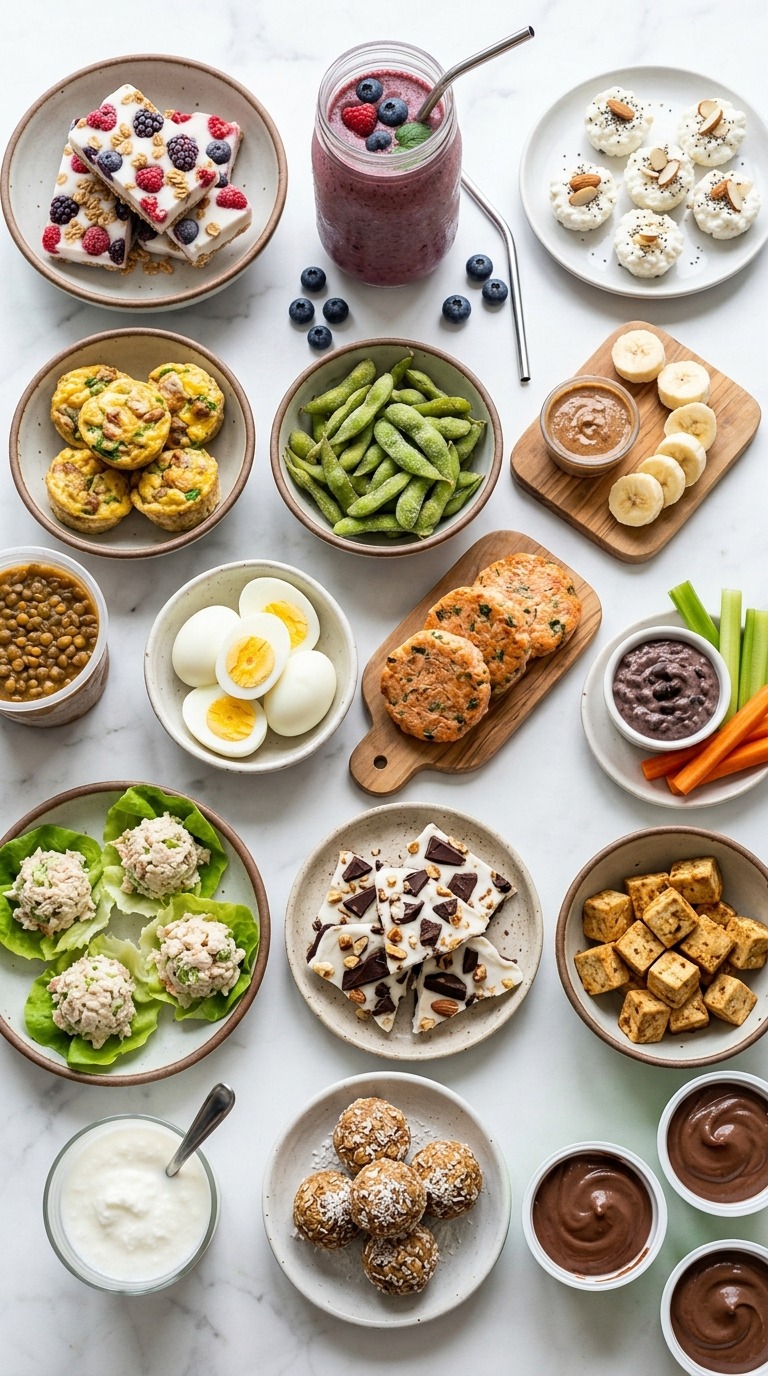
25 Spring High-Protein Bento Box Ideas That’ll Make Your Coworkers Jealous
You know that feeling when you open your sad desk lunch and it’s the same boring chicken and rice you’ve been eating since January? Yeah, me too. But spring is here, which means fresh veggies are actually worth eating again, and honestly, it’s time to shake things up.
I’ve been obsessed with bento boxes lately—not just because they look pretty (though let’s be real, that’s part of it), but because they genuinely solve the protein-packed lunch dilemma. No more wondering if you’re getting enough protein or if your meal will actually keep you full until dinner. These 25 ideas are what I’ve been rotating through, and they’ve made meal prep something I actually look forward to instead of dread.
Quick heads up: we’re talking real food here. No sad diet meals or cardboard-tasting “fitness food.” Just colorful, fresh spring ingredients that happen to be packed with protein. And yes, they taste as good as they look.
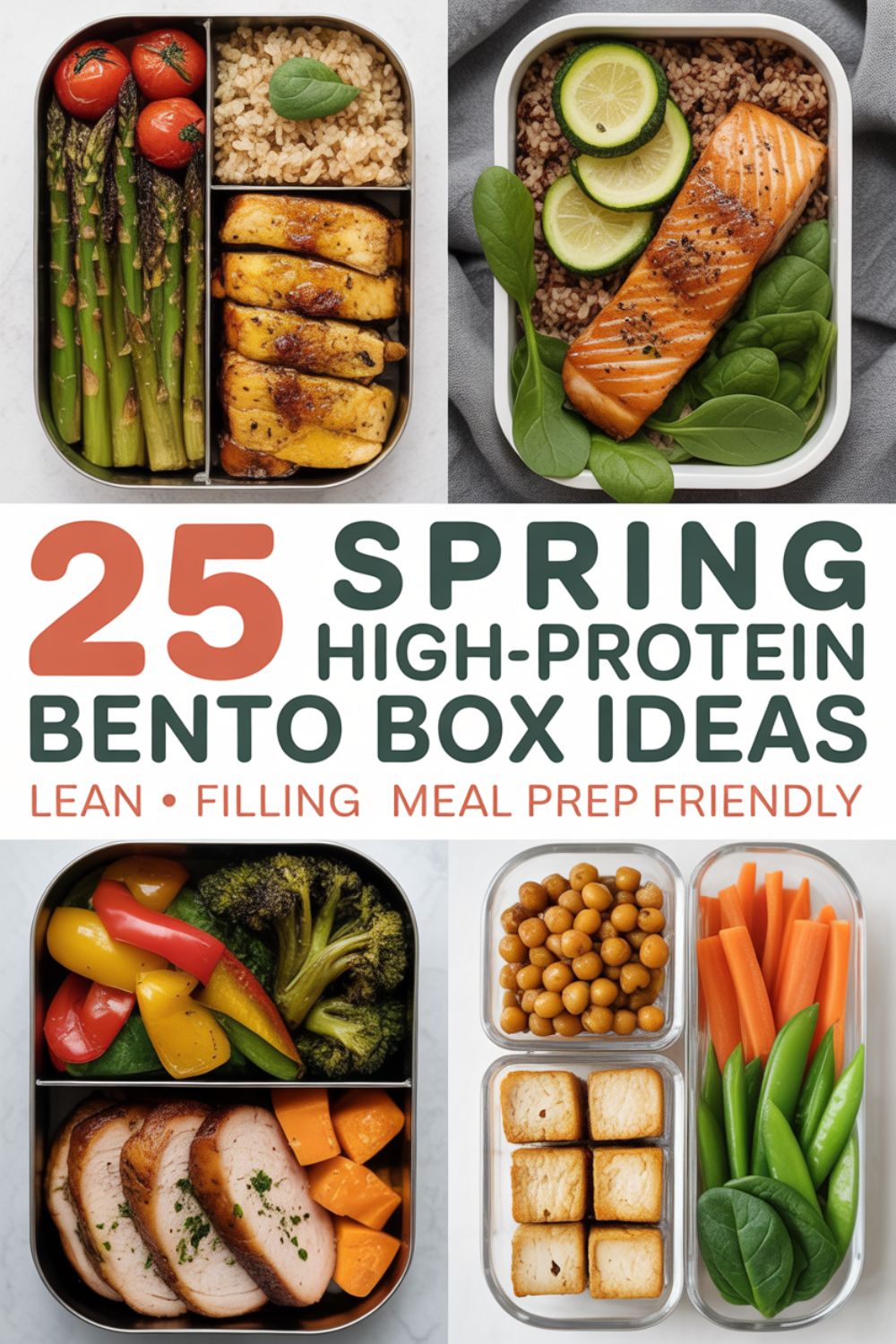
Why Spring Makes Bento Boxes Actually Exciting
Look, I meal prep year-round, but spring hits different. The produce section suddenly explodes with color, everything tastes fresher, and those heavy winter comfort foods start feeling… too much. Spring bento boxes let you take advantage of all that seasonal goodness while keeping your protein goals on track.
Here’s the thing about protein—most people know they need it, but actually hitting those numbers consistently? That’s where it gets tricky. According to nutrition research, most adults need about 0.8 grams of protein per kilogram of body weight daily, but if you’re active or trying to maintain muscle while losing fat, you’re probably looking at closer to 1.2-2.0 grams per kilogram. That’s a lot of planning if you’re winging it every day.
Bento boxes force you to think in compartments, which honestly makes hitting macros easier. You’ve got your protein section, your veggie section, your healthy fat section, and maybe a little spot for something fun. It’s like meal planning for people who hate meal planning.
Pro Tip: Prep your spring veggies Sunday night and store them in separate containers with damp paper towels. They’ll stay crisp all week, and you’ll actually thank yourself every morning instead of scrambling.
The 25 Spring Bento Box Ideas You’ll Actually Make
1. Lemon Herb Chicken with Asparagus & Quinoa
This one’s my go-to when I want something that feels restaurant-quality but takes basically no effort. Grill your chicken with lemon zest, fresh thyme, and a touch of garlic. Pair it with roasted asparagus (spring’s MVP vegetable, IMO) and fluffy quinoa. The protein count? Around 35 grams per box, and it tastes like you tried way harder than you did.
I use this compact grill pan for the chicken—it gets those gorgeous char marks without heating up my whole kitchen. Worth every penny when you’re batch-cooking protein.
2. Mediterranean Chickpea & Feta Bowl
Here’s where plant-based protein gets interesting. Roasted chickpeas (crisped up with za’atar if you’re fancy), fresh cucumber ribbons, cherry tomatoes, Kalamata olives, and crumbled feta. Drizzle with lemon tahini dressing and you’ve got about 22 grams of protein, plus it’s the kind of lunch that makes you feel like you’re eating on a Greek island instead of at your desk.
For the chickpea roasting, I finally invested in these silicone baking mats and honestly, they’ve changed my meal prep game. Nothing sticks, cleanup is effortless, and your chickpeas get evenly crispy.
3. Teriyaki Salmon with Edamame & Snap Peas
Salmon is having a moment this spring, and for good reason—it’s one of those rare foods that’s both high in protein and omega-3s. Pan-sear it with a light teriyaki glaze, throw in some steamed edamame and raw snap peas for crunch, and you’re looking at 30+ grams of protein. The snap peas are key here—they stay crunchy all week and add that satisfying bite.
If you’re prepping salmon for the week, consider grabbing some of these fresh spring fish bowl recipes for more ideas that keep things interesting.
4. Turkey & Avocado Spring Rolls with Peanut Sauce
Okay, this one requires a tiny bit more effort, but it’s so worth it. Use rice paper wrappers, fill them with sliced turkey breast, fresh herbs (mint and cilantro are clutch), julienned veggies, and avocado. The peanut sauce makes it feel indulgent while packing in protein. You’re getting around 28 grams per serving, and they look ridiculously impressive.
Speaking of protein-packed lunches, you might also love these 25 easy low-calorie high-protein lunches that follow a similar fresh-ingredient philosophy.
Quick Win: Make your rice paper wraps the night before and wrap them individually in damp paper towels inside airtight containers. They won’t dry out or get soggy—promise.
5. Egg Salad Lettuce Cups with Radishes
Don’t sleep on the humble egg. Six hard-boiled eggs give you about 36 grams of protein, and when you turn them into a light egg salad with Greek yogurt instead of mayo, it’s basically a protein bomb. Serve it in butter lettuce cups, add some sliced radishes for crunch and color, and you’ve got a spring lunch that’s actually filling.
I use this egg cooker that does perfect hard-boiled eggs every single time—no more guessing games or that gross green ring around the yolk.
6. Greek Yogurt Chicken Salad with Grapes & Almonds
Similar vibe to the egg salad but with shredded rotisserie chicken mixed with Greek yogurt, halved green grapes, and toasted almonds. It’s sweet, crunchy, creamy, and has about 32 grams of protein. Plus, grapes in spring just hit different when they’re actually in season.
7. Spicy Tofu Scramble with Spring Vegetables
For my plant-based friends, pressed and crumbled tofu seasoned with turmeric, nutritional yeast, and a pinch of cayenne is seriously underrated. Mix it with sautéed asparagus, cherry tomatoes, and baby spinach. About 20 grams of protein, and it reheats surprisingly well for a tofu dish.
Check out these high-protein vegan meals if you’re looking for more plant-based inspiration that actually keeps you satisfied.
8. Shrimp & Mango Spring Salad
This is my “I need to feel like I’m on vacation” lunch. Grilled shrimp (about 25 grams of protein per serving), fresh mango chunks, mixed greens, and a lime-cilantro vinaigrette. It’s light, it’s fresh, and it makes you forget you’re meal prepping for a Tuesday.
9. Cottage Cheese Bowl with Cucumber & Dill
I know cottage cheese got a bad rep for a while, but it’s making a comeback for good reason—it’s stupidly high in protein. Mix it with diced cucumber, fresh dill, cherry tomatoes, and a sprinkle of everything bagel seasoning. You’re looking at around 28 grams of protein in the cottage cheese alone.
10. Pesto Chicken with Zucchini Noodles
Spring means zucchini is finally worth eating again. Spiralize it, toss with homemade or store-bought pesto, and top with grilled chicken strips. It’s basically guilt-free pasta that still delivers 30+ grams of protein. Get Full Recipe for my favorite version of this.
I use this spiralizer that’s way less annoying than most—it actually stays in place and doesn’t make a huge mess.
11. Tuna Nicoise-Inspired Box
Take the classic Nicoise salad concept and box it up: chunk light tuna, hard-boiled eggs, steamed green beans, cherry tomatoes, and a few small potatoes. The protein combination of tuna and eggs gets you to about 35 grams, and it’s one of those meals that’s somehow better the next day.
12. Lentil & Roasted Veggie Power Bowl
Cooked green or brown lentils with roasted spring vegetables—think carrots, asparagus, and radishes. Top with a tahini drizzle and pumpkin seeds. Lentils are sneaky protein powerhouses at about 18 grams per cup, and they’re cheap as hell.
For more bowl inspiration, these 25 high-protein bowls have become my weekly rotation staples.
13. Turkey Meatball & Spring Veggie Mix
Make a batch of turkey meatballs on Sunday (use lean ground turkey, herbs, and a touch of parmesan), and pair them with whatever spring veggies look good—snap peas, baby carrots, roasted radishes. Each serving easily hits 30 grams of protein, and meatballs freeze beautifully if you want to meal prep for multiple weeks.
14. Smoked Salmon Breakfast Box
Who says bento boxes are just for lunch? Smoked salmon, sliced hard-boiled eggs, cucumber rounds, capers, and a small portion of whole-grain crackers or mini bagels. It’s breakfast, but make it fancy. Around 25 grams of protein and it feels way more special than scrambled eggs for the hundredth time.
Meal Prep Essentials That Actually Matter
After making literally hundreds of bento boxes, these are the tools and resources I actually use every single week. Not sponsored, just genuinely helpful:
- Glass bento containers with compartments – Honestly changed my meal prep life. No more mixing flavors, and they actually look nice enough to use at work without feeling embarrassed.
- Silicone muffin cups for portions – Perfect for keeping wet and dry ingredients separate inside bigger containers. Also great for those little sauce portions.
- Digital food scale – I resisted getting one forever, but it makes hitting protein targets so much easier. No more guessing if you actually have 4 oz of chicken.
- My Fitness Pal Premium – The barcode scanner alone is worth it when you’re tracking macros consistently.
- Meal Prep Pro App – Helps you scale recipes and create shopping lists automatically. Saves me about an hour every week.
- Spring Meal Prep Guide PDF – My personal collection of seasonal swaps and ingredient timing charts so you’re always using what’s actually fresh.
15. Grilled Chicken Caprese Skewers
Thread grilled chicken chunks, cherry tomatoes, and fresh mozzarella balls onto skewers. Drizzle with balsamic reduction and fresh basil. It’s around 28 grams of protein per serving, and eating off a skewer somehow makes lunch feel like less of a chore.
16. Protein Pasta Salad with Spring Vegetables
Use chickpea or lentil pasta (way higher protein than regular), toss with blanched asparagus, peas, cherry tomatoes, and a light lemon vinaigrette. Add some white beans for extra protein and you’re easily over 25 grams. It’s one of those rare pasta dishes that actually keeps you full.
17. Beef & Broccoli with Cauliflower Rice
Lean beef strips stir-fried with spring broccoli (the tender kind, not the woody winter stuff) and served over cauliflower rice. About 35 grams of protein, and you can use this pre-riced cauliflower to save yourself the processing mess.
If you’re into quick dinners that translate well to lunch prep, definitely check out these 15 low-calorie high-protein dinners that reheat perfectly.
18. White Bean & Artichoke Salad
Cannellini beans, marinated artichoke hearts, arugula, shaved parmesan, and a lemon-dijon dressing. Sounds fancy, takes about 10 minutes to throw together. The beans bring about 15 grams of protein, and the artichokes add that satisfying meaty texture.
19. Chicken Sausage with Roasted Spring Vegetables
Get good-quality chicken sausage (look for ones that are around 15 grams of protein per link), slice it up, and roast with spring carrots, baby potatoes, and asparagus. Toss everything with olive oil and herbs. Simple, satisfying, and about 25 grams of protein total.
20. Tempeh & Rainbow Veggie Stir-Fry
Tempeh is one of those protein sources that’s criminally underrated. Marinate it in soy sauce and ginger, pan-fry until crispy, and toss with whatever colorful spring veggies you’ve got. Each serving has about 20 grams of protein, and the crispy edges make it actually craveable.
For more plant-forward ideas, these spring vegetarian protein bowls have some seriously good flavor combinations I rotate through.
21. Crab Cake Lettuce Wraps
Make mini crab cakes (or use good store-bought ones), wrap them in butter lettuce, and add cucumber ribbons and a light remoulade. Crab is surprisingly high in protein—about 20 grams per serving—and this feels fancy enough for a special lunch without being complicated.
22. Protein-Packed Cobb Salad
The classic Cobb is already protein-heavy, but spring it up with fresh greens, grilled chicken, hard-boiled eggs, avocado, cherry tomatoes, and crumbled bacon. Skip the heavy blue cheese dressing for a lighter vinaigrette. You’re easily hitting 35+ grams of protein here.
Looking for more salad variety? These 20 spring salads keep the concept fresh without getting repetitive.
23. Turkey & Hummus Veggie Pinwheels
Spread whole-grain tortillas with hummus, layer on turkey slices and tons of spring vegetables (cucumbers, shredded carrots, sprouts), roll tight, and slice into pinwheels. About 22 grams of protein per serving, and they’re perfect for grazing throughout the day.
24. Quinoa Tabbouleh with Grilled Halloumi
Traditional tabbouleh but made with quinoa instead of bulgur for extra protein. Add grilled halloumi cheese on top because it’s spring and we deserve nice things. The combination gets you to about 25 grams of protein, and halloumi has this amazing squeaky texture that makes vegetarian meals more interesting.
25. Steak & Chimichurri with Roasted Radishes
Save this one for when you need to impress yourself. Grilled flank steak, fresh chimichurri sauce, and roasted radishes (which taste completely different roasted—almost like potatoes but lighter). About 35 grams of protein, and it’s the kind of lunch that makes you feel like you’ve got your life together. Get Full Recipe for the chimichurri that actually makes this special.
Making These Bento Boxes Work for Real Life
Here’s what nobody tells you about meal prep: the first couple weeks are kind of rough. You’ll probably make too much of one thing and not enough of another. Your timing will be off. But by week three? It becomes almost automatic.
The key is starting with just two or three bento box ideas per week. Don’t try to do all 25 at once—that’s a recipe for burnout and a fridge full of food you won’t eat. Pick the ones that sound genuinely good to you, not the ones you think you should make.
Also, according to Mayo Clinic research on high-protein diets, spacing your protein intake throughout the day is more beneficial than loading it all into one meal. Bento boxes make this stupidly easy since you’re naturally creating balanced portions.
Pro Tip: Invest in containers that are actually identical. I know it sounds boring, but when they all stack the same way, your fridge organization improves dramatically. Plus, lids are interchangeable when you inevitably lose one.
The Spring Advantage You’re Not Using
Spring produce is genuinely at its nutritional peak right now. Those asparagus spears? They’ve got vitamins K, C, and A, plus they’re anti-inflammatory. Spring peas are loaded with protein for a vegetable—about 8 grams per cup. Even radishes, which people usually ignore, have compounds that support liver function and digestion.
The difference between winter and spring vegetables isn’t just taste—it’s nutrition density. Spring veggies are growing in optimal conditions, which means higher vitamin and mineral content. When you’re building high-protein bento boxes, pairing that protein with nutrient-dense spring produce gives you way more bang for your buck.
And FYI, this isn’t about being perfect. Some weeks you’ll nail it. Some weeks you’ll end up eating the same bento box three days in a row because you didn’t have time to prep more. Both are fine. The goal is progress, not perfection.
Common Bento Box Mistakes (That I Definitely Made)
Let’s talk about what doesn’t work, because I’ve wasted enough food learning these lessons:
Mistake #1: Making everything too wet. Saucy components need their own little containers. Otherwise, you open your bento at lunch and everything’s a soggy mess. Those tiny silicone sauce cups are absolute lifesavers here.
Mistake #2: Not considering texture variety. If everything in your bento is soft, it’s boring. You need crunch. Raw veggies, toasted nuts, crispy roasted chickpeas—something that gives your jaw a workout. Texture makes meals way more satisfying, even with the same calorie count.
Mistake #3: Forgetting about the smell factor. That salmon bento might be delicious, but if you’re eating it in a shared office space, maybe save it for work-from-home days. Brussels sprouts? Same deal. Consider your environment before you pack lunch.
Mistake #4: Overcomplicating it. You don’t need seven components in every box. Sometimes it’s just protein, veggie, and a good sauce. That’s plenty. Don’t make yourself hate meal prep by setting impossible standards.
Seasonal Swaps That Keep Things Fresh
As spring progresses, you can swap ingredients to match what’s actually in season. Early spring? Focus on asparagus, peas, and radishes. Late spring? Bring in strawberries, early tomatoes, and the first zucchini.
This also helps with cost. Buying whatever’s in season means you’re not paying premium prices for out-of-season produce that’s been shipped from somewhere far away and tastes like cardboard anyway.
And here’s a trick I learned after making these for months: keep a running list on your phone of what worked and what didn’t. When you’re at the grocery store, you can pull it up and remember that yeah, the egg salad lettuce cups were awesome, but that weird quinoa thing you tried was meh. It saves mental energy for decisions that actually matter.
Need more variety in your weekly rotation? This weekly meal prep guide breaks down exactly how to structure your week without losing your mind.
Frequently Asked Questions
How long do these bento boxes stay fresh in the fridge?
Most of these will last 4-5 days if you’re storing them properly in airtight containers. The key is keeping wet and dry ingredients separate until you’re ready to eat. Things like lettuce wraps and fresh spring rolls are better made fresh or the night before. Cooked proteins and roasted veggies actually improve in flavor over a couple days as the seasonings marry together.
Can I freeze any of these for longer storage?
Some of them, yes. Meatballs, cooked chicken, and steak freeze beautifully. Veggies with high water content like cucumber, lettuce, and tomatoes? Not so much—they’ll turn to mush when thawed. Your best bet is freezing the protein components and prepping fresh veggies weekly. I usually keep a few portions of cooked protein in the freezer as a backup for those weeks when meal prep doesn’t happen.
What’s the minimum protein I should aim for in each bento box?
For a main meal, you’re generally looking at 25-35 grams of protein to actually keep you satisfied and support muscle maintenance. That’s roughly what you’d get from 4-5 oz of chicken, a cup of Greek yogurt, or about 8 oz of tofu. If you’re super active or lifting weights regularly, you might want to push that higher. The nice thing about bento boxes is you can easily see if you’ve hit that target just by looking at your protein compartment.
Do I need special containers or will regular tupperware work?
Regular tupperware totally works, but containers with dividers make life easier because they keep different components separate. Glass containers are worth the investment if you’re microwaving at work—plastic can get weird over time, and nobody wants that chemical taste in their lunch. The compartmented ones also help with portion control since you can visually see if you’re packing balanced meals.
How do I keep spring vegetables crisp all week?
Store them in containers with a damp paper towel, and make sure they’re completely dry before packing (water equals soggy veggies by Wednesday). For things like snap peas and radishes, keep them in a produce bag in your crisper drawer until you’re ready to pack. Cucumbers stay crispest when wrapped individually in paper towels and placed in a ziplock bag with the air squeezed out. It sounds fussy, but it’s the difference between crisp, restaurant-quality veggies and sad, wilted ones by midweek.
The Bottom Line on Spring Bento Boxes
Here’s what makes these 25 spring bento box ideas actually worth your time: they’re designed for real life, not Instagram perfection. You can prep most of them in under two hours on a Sunday, they use seasonal ingredients when they actually taste good, and they hit protein targets without making you feel like you’re on some restrictive diet.
The beauty of spring is that fresh produce makes everything taste better. You’re not forcing yourself to eat raw vegetables in February when they all taste like water. You’re eating asparagus in April when it’s sweet and tender, snap peas when they’re crisp and bright, radishes when they actually have flavor.
Start with the boxes that sound genuinely appealing to you. Make them once. If you like them, add them to your rotation. If they’re just okay, move on—there are 24 other options here. The goal isn’t to love all 25, it’s to find your personal rotation of 5-7 that you actually look forward to eating.
And look, some days you’re going to skip meal prep. Some weeks you’ll order takeout three times. That’s normal. The point of having these options ready to go is that when you do have the energy to prep, you know exactly what to make. No decision fatigue, no recipe hunting, just solid, protein-packed meals that taste like you actually tried.
Spring is short. Take advantage of the good produce while it lasts, get your protein in, and maybe pack a lunch that makes your desk neighbor ask what you’re eating. That’s the dream, right?
30-Day High-Protein
Low-Calorie Meal Plan
Every breakfast, lunch, dinner & snack — all 30 days fully mapped out. Just follow the plan.
- ✓50+ complete recipes with ingredients & step-by-step instructions
- ✓4-week day-by-day plans — every meal for all 30 days
- ✓4 weekly shopping lists organised by store section
- ✓Printable habit & progress tracker — 30 full days
- ✓100g+ protein per day — scientifically optimised macros
Instant PDF · Print at home
Results guaranteed with consistency