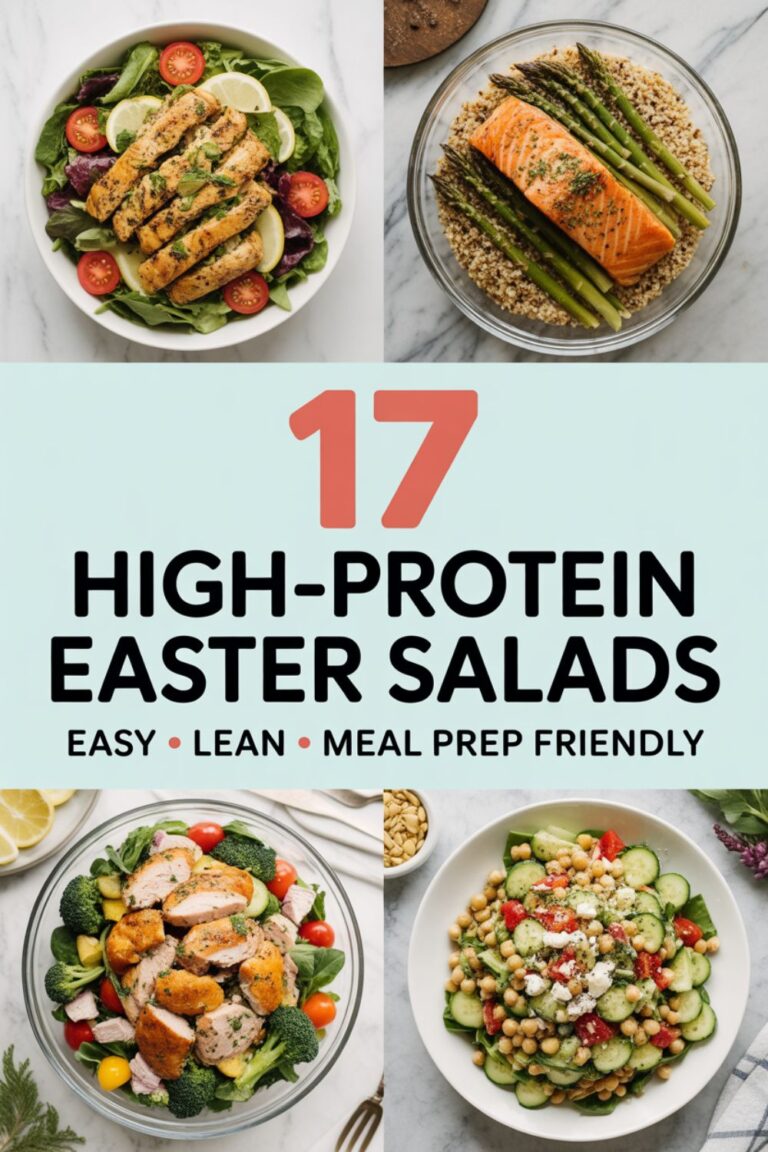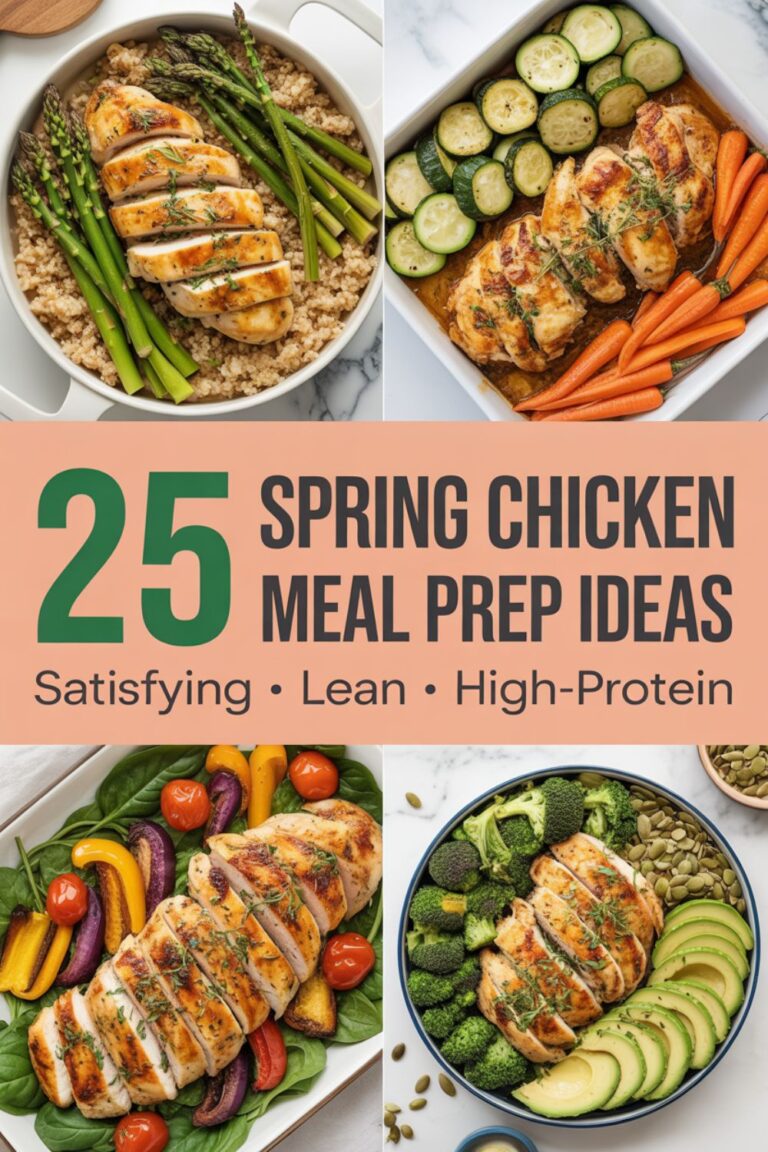
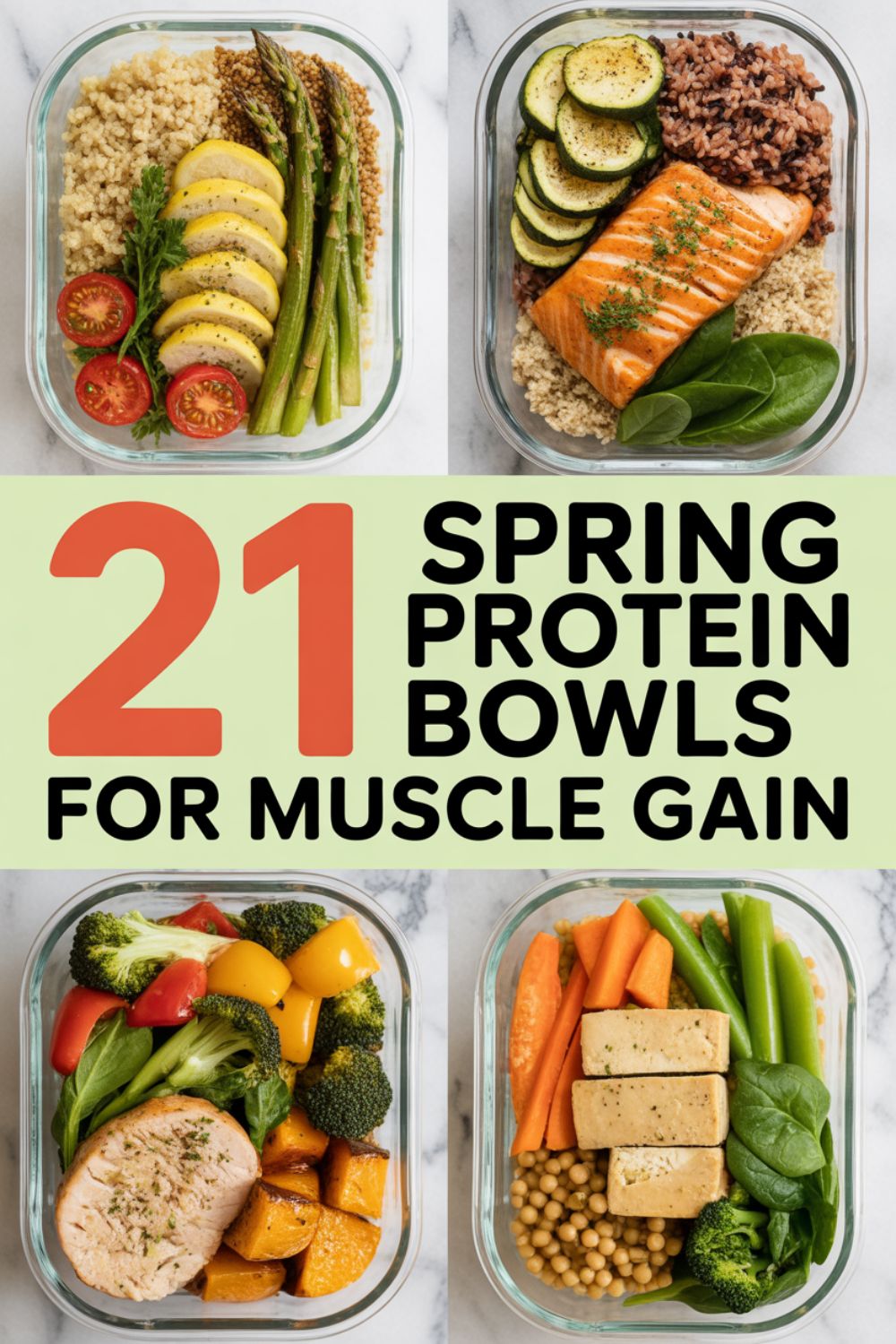
21 Spring Protein Bowls for Muscle Gain
Look, I get it. You’ve spent all winter bulking up in the gym, and now that spring’s rolling around, you’re not about to let those gains slip away just because the sun’s finally out. The good news? Spring produce is basically nature’s gift to anyone serious about building muscle without feeling like they’re choking down the same boring chicken and rice combo for the millionth time.
These 21 spring protein bowls aren’t your average meal prep snoozefest. We’re talking fresh asparagus, snap peas, radishes, and all those vibrant greens that actually make you want to eat clean. Each bowl packs serious protein while keeping things light enough that you won’t feel like you need a nap after lunch. Plus, they’re ridiculously easy to throw together, which means you can spend less time meal prepping and more time actually doing the things that matter.
Whether you’re trying to lean out for summer or just maintain muscle mass while eating seasonally, these bowls have you covered. No fluff, no nonsense—just straightforward recipes that work.
Why Spring Veggies Are Your Muscle-Building Secret Weapon
Here’s something most people don’t talk about enough: the vegetables you eat matter just as much as your protein source when you’re trying to build muscle. Spring vegetables like asparagus, peas, and leafy greens aren’t just filler for your bowls—they’re packed with micronutrients that actually support muscle recovery and growth.
Asparagus contains almost no fat while being loaded with fiber, vitamin K, and vitamin A, all of which play crucial roles in how your body processes nutrients and recovers from workouts. Fresh green peas? They’re sneaky little protein bombs. One cup gives you nearly nine grams of protein, making them a solid addition when you’re stacking your macros.
The thing about eating seasonally—especially in spring—is that you’re getting produce at its nutritional peak. Research shows that fresh vegetables lose nutrients after just 5 to 10 days of storage, so grabbing what’s in season means you’re actually getting more bang for your nutritional buck.
Prep your spring veggies Sunday night and store them in airtight containers. Your future self will thank you when Wednesday rolls around and you’re not standing in the kitchen at 9 PM trying to chop asparagus.
The Science Behind Protein and Muscle Gain
Let’s cut through the noise for a second. If you’ve ever wondered how much protein you actually need for muscle growth, current research shows that active individuals need significantly more than the standard RDA—we’re talking 1.4 to 2.0 grams per kilogram of body weight daily, not the measly 0.8g that’s designed just to prevent deficiency.
What’s interesting is that protein supplementation beyond 1.62g/kg/day doesn’t seem to provide additional muscle gains, which means there’s a sweet spot. You don’t need to go overboard, but you do need to be consistent. These spring protein bowls make hitting that target stupidly easy because you’re combining lean proteins with nutrient-dense vegetables that support the entire muscle-building process.
The best part? Spring produce keeps things interesting. Nobody’s building sustainable muscle while eating meals they hate. That’s just a recipe for giving up three weeks in and ordering pizza.
Building the Perfect Spring Protein Bowl
There’s a formula to these bowls that makes them work every single time. Start with your protein base—grilled chicken, salmon, tofu, whatever fits your preferences. Then layer in your spring vegetables, add a complex carb like quinoa or sweet potato, and finish with a simple dressing that doesn’t undo all your hard work.
The magic happens when you understand how to balance everything. You want roughly 30-40 grams of protein per bowl, a good serving of vegetables for micronutrients and fiber, and enough carbs to fuel your workouts without going overboard. It’s not complicated, but it does require thinking about your bowls as complete meals rather than just random ingredients thrown together.
Protein Sources That Actually Taste Good
Chicken breast is fine, but if that’s all you’re eating, you’re missing out. Spring is perfect for grilled salmon with lemon and herbs, which pairs beautifully with asparagus and snap peas. Pan-seared tofu works surprisingly well when you season it right, and if you’re feeling fancy, shrimp bowls with spring vegetables are next-level.
The key is variety. Your body adapts to eating the same proteins constantly, and honestly, so does your taste buds. Mixing things up keeps your meals interesting and ensures you’re getting a complete amino acid profile over the week.
Marinate your proteins the night before in a simple mix of olive oil, lemon juice, garlic, and herbs. Five minutes of prep saves you from bland, boring meals all week.
Spring Vegetables That Pack a Punch
Not all vegetables are created equal when it comes to supporting muscle growth. Asparagus is ridiculously versatile and roasts beautifully with just a touch of olive oil and sea salt. I usually grab this silicone baking mat for roasting because nothing sticks and cleanup is basically nonexistent.
Snap peas add crunch and a slight sweetness that balances out heavier proteins. Radishes might seem like an odd choice, but they add a peppery bite that makes bowls more interesting. Throw in some baby spinach or arugula, and you’ve got a nutrient powerhouse that doesn’t feel like you’re eating rabbit food.
Spring greens like spinach and arugula are loaded with iron and vitamins that support energy production. The fiber content helps with satiety, which means you’re less likely to raid the pantry an hour after eating. That’s a win when you’re trying to maintain a consistent calorie intake for muscle gain.
Speaking of spring inspiration, if you’re into complete meal planning, check out these spring meal prep ideas that make the whole process even easier.
21 Spring Protein Bowl Ideas That Actually Work
Alright, let’s get into the actual bowls. Each one is designed to give you at least 30 grams of protein while incorporating seasonal spring produce. I’m not going to bore you with exact measurements for everything—you’re an adult, you can eyeball vegetables. What matters is the combination and the concept.
Grilled Chicken & Asparagus Bowls
Bowl 1: Lemon Herb Chicken with Roasted Asparagus – Grilled chicken breast, roasted asparagus spears, quinoa, cherry tomatoes, and a lemon-tahini drizzle. Simple, clean, effective.
Bowl 2: Pesto Chicken with Spring Vegetables – Pesto-marinated chicken, sautéed snap peas, asparagus, baby potatoes, topped with pine nuts. The pesto adds healthy fats without being excessive.
Bowl 3: Mediterranean Chicken Bowl – Grilled chicken, cucumber, cherry tomatoes, kalamata olives, feta crumbles, spring greens, and a red wine vinaigrette. Classic combo that never gets old.
If you’re looking for more chicken-based options, these spring chicken bowls for lean eating have some solid variations. Get Full Recipe.
Salmon & Fresh Veggie Combinations
Bowl 4: Teriyaki Salmon with Edamame – Pan-seared salmon, edamame, snap peas, brown rice, sesame seeds, and a light teriyaki glaze. The edamame adds extra protein without making things heavy.
Bowl 5: Lemon Dill Salmon with Asparagus – Baked salmon, roasted asparagus, wild rice, radishes, fresh dill. The radishes add a nice crunch that contrasts with the tender salmon.
Bowl 6: Spicy Salmon Poke Bowl – Raw salmon cubes, spring greens, avocado, cucumber, radishes, brown rice, with a spicy mayo drizzle. Perfect when you want something fresh and don’t feel like cooking.
Bowl 7: Mediterranean Salmon Bowl – Grilled salmon, roasted red peppers, artichoke hearts, spring greens, quinoa, lemon wedge. The artichokes are underrated in protein bowls but add great texture.
For more fish-focused meals, try these fresh spring fish bowls that keep things light but satisfying.
Plant-Based Protein Powerhouses
Bowl 8: Crispy Tofu with Spring Vegetables – Pan-fried tofu cubes, sautéed bok choy, snap peas, brown rice, sesame-ginger dressing. The trick with tofu is getting it crispy—I swear by using this tofu press to get excess moisture out first.
Bowl 9: Tempeh Spring Bowl – Marinated tempeh, roasted asparagus, quinoa, cherry tomatoes, tahini dressing. Tempeh is more filling than tofu and has a nuttier flavor that works well with spring vegetables.
Bowl 10: Chickpea & Veggie Bowl – Roasted chickpeas, mixed spring greens, cucumber, radishes, farro, lemon-herb dressing. Chickpeas are sneaky good for protein and add a nice crunch when roasted right.
Bowl 11: Edamame Quinoa Bowl – Steamed edamame, quinoa, shredded carrots, snap peas, spring greens, miso-ginger dressing. This one’s lighter but still hits your protein needs.
If you’re plant-based or just trying to eat less meat, these spring vegetarian protein bowls are legitimately good. Get Full Recipe.
Buy pre-cooked quinoa if you’re short on time. Yeah, it costs more, but the convenience factor is worth it when you’re meal prepping for the week.
Beef & Turkey Options
Bowl 12: Lean Beef Spring Bowl – Grilled sirloin strips, roasted asparagus, sweet potato cubes, spring mix, balsamic reduction. Red meat gets a bad rap, but lean cuts work perfectly fine in moderation.
Bowl 13: Turkey Meatball Bowl – Homemade turkey meatballs, zucchini noodles, cherry tomatoes, marinara sauce, fresh basil. Making meatballs in bulk using a simple cookie scoop makes portion control way easier.
Bowl 14: Ground Turkey Asian Bowl – Seasoned ground turkey, snap peas, carrots, brown rice, sriracha mayo. Ground turkey is cheaper than chicken breast and just as versatile.
Shrimp & Seafood Variations
Bowl 15: Garlic Shrimp Spring Bowl – Sautéed garlic shrimp, asparagus, cherry tomatoes, quinoa, lemon wedge. Shrimp cooks in minutes, which makes this perfect for when you forgot to meal prep.
Bowl 16: Cajun Shrimp Bowl – Cajun-seasoned shrimp, bell peppers, spring greens, brown rice, avocado. The spice kicks up your metabolism a bit, which doesn’t hurt.
Bowl 17: Shrimp & Pea Bowl – Sautéed shrimp, fresh peas, snap peas, wild rice, dill. Simple but effective combination that feels fresh.
Mixed Protein Combinations
Bowl 18: Surf & Turf Spring Bowl – Grilled steak and shrimp, roasted vegetables, quinoa, chimichurri sauce. This one’s for when you’re really trying to hit those protein numbers.
Bowl 19: Chicken & Chickpea Bowl – Grilled chicken, roasted chickpeas, spring vegetables, farro, tahini dressing. Combining animal and plant proteins gives you a complete amino acid profile.
Bowl 20: Salmon & Egg Bowl – Baked salmon, hard-boiled eggs, asparagus, sweet potato, spring greens. The eggs add extra protein without much effort.
Bowl 21: Greek-Inspired Spring Bowl – Grilled chicken, chickpeas, cucumber, tomatoes, feta, tzatziki sauce, quinoa. This one’s basically a deconstructed Greek salad with added protein.
For more complete meal ideas, these spring Mediterranean bowls are worth checking out.
Kitchen Tools & Resources That Make These Bowls Easier
Look, I’m all about keeping things simple, but having the right tools makes a massive difference when you’re trying to meal prep efficiently. Here’s what actually gets used in my kitchen every week:
Glass Meal Prep Containers (Set of 10)
These are game-changers for storing bowls throughout the week. Microwave-safe, dishwasher-safe, and they don’t stain or hold onto weird smells like plastic does. The compartments keep everything separated until you’re ready to eat.
Cast Iron Grill Pan
Perfect for getting those beautiful grill marks on chicken and vegetables without firing up an outdoor grill. Heats evenly and lasts forever if you take care of it properly.
Digital Kitchen Scale
If you’re serious about hitting protein targets, measuring matters. This one’s accurate and easy to clean, which means you’ll actually use it instead of letting it collect dust in a drawer.
Spring Meal Prep Guide (Digital Download)
Comprehensive guide with shopping lists, macro breakdowns, and prep schedules for spring protein bowls. Takes the guesswork out of meal planning so you can focus on results.
Protein Bowl Recipe Collection (eBook)
50+ protein bowl recipes organized by season with complete nutritional information. Makes it easy to rotate through different combinations without getting bored.
Macro Tracking Spreadsheet Template
Simple Excel template for tracking daily protein, carbs, and fats. Pre-loaded with common spring ingredients so you can quickly log your meals and stay on track.
Meal Prep Strategy for Spring Bowls
Here’s the thing about meal prep: it only works if you actually do it. I know that sounds obvious, but most people overcomplicate the process and then wonder why they give up after two weeks. The key is keeping it ridiculously simple.
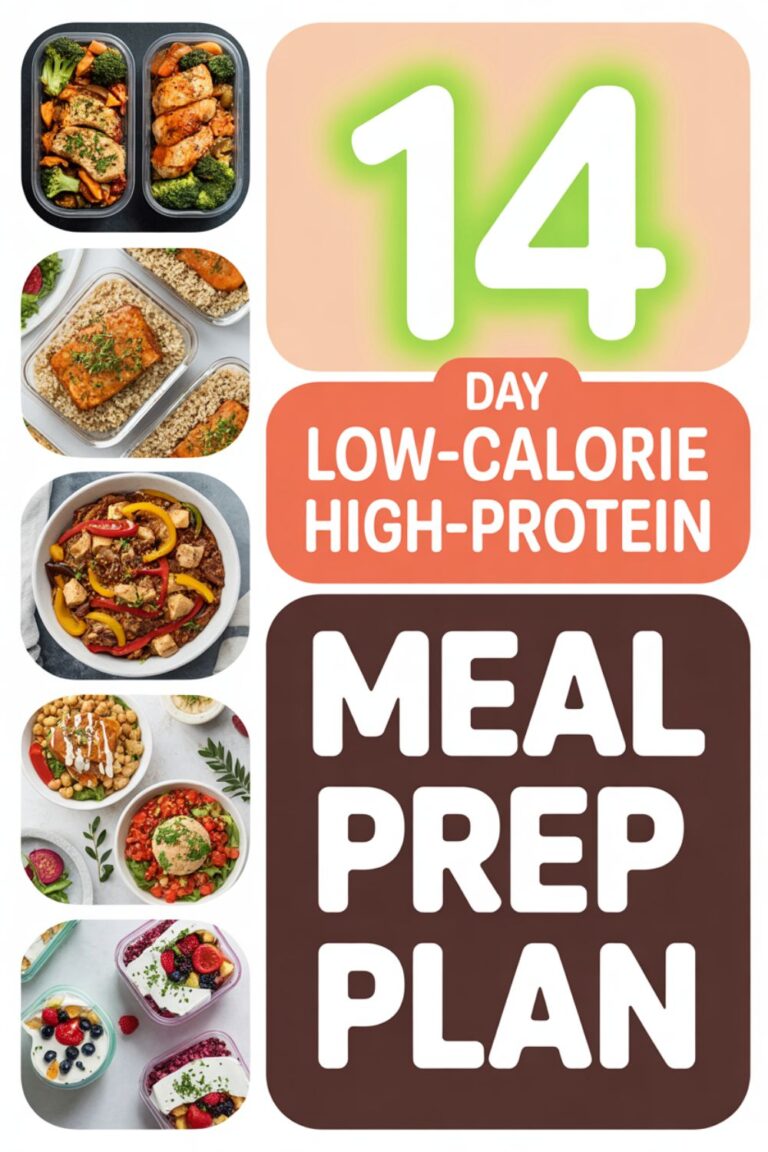
Pick two or three protein sources for the week. Grill all your chicken on Sunday. Bake your salmon. Cook your quinoa in bulk. Chop your vegetables and store them properly. Then during the week, you’re just assembling bowls instead of actually cooking from scratch every single day.
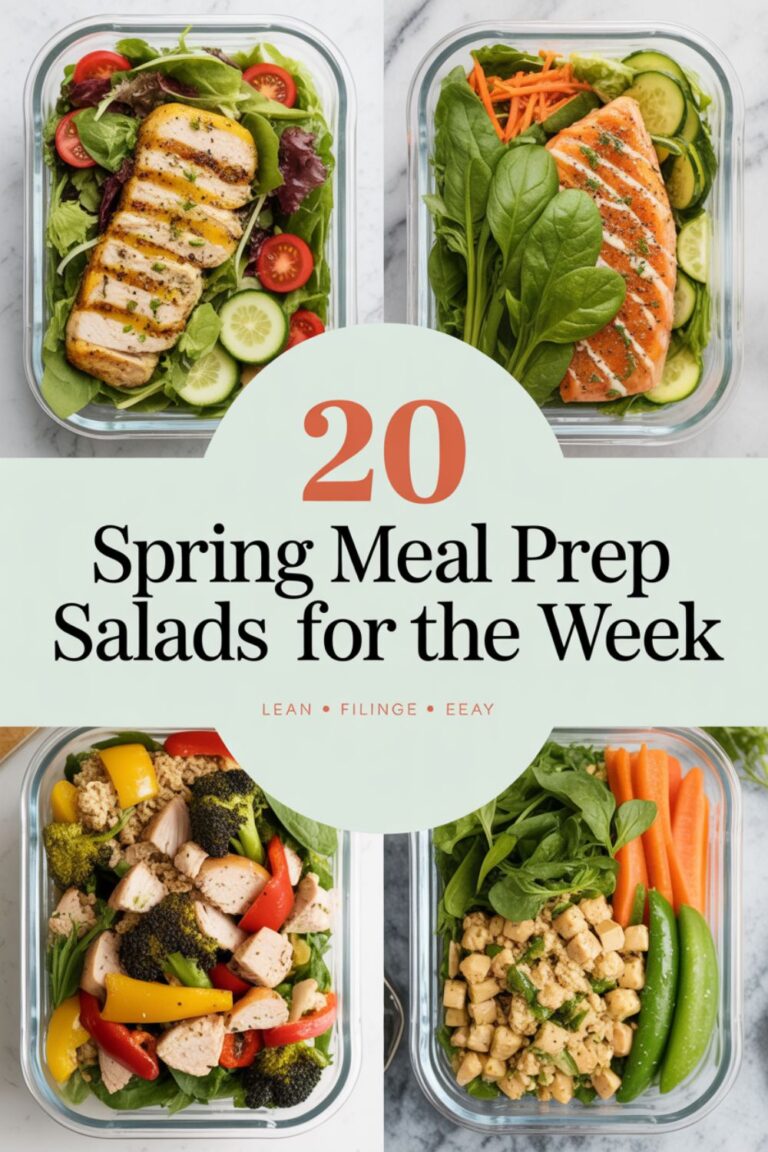
The containers you use matter too. I learned this the hard way after dealing with soggy vegetables for months. These compartmentalized glass containers keep dressings separate until you’re ready to eat, which makes a huge difference in texture.
Don’t dress your bowls until right before eating. Seriously. Nobody wants wilted spinach that’s been sitting in vinaigrette for three days. Keep your dressings in small containers on the side.
Storage and Freshness Tips
Most of these bowls will last 4-5 days in the fridge, which means you can prep Sunday and Thursday if you want maximum freshness. Proteins should be cooled completely before storing to prevent condensation that makes everything soggy.
Asparagus and snap peas hold up better than you’d think when stored properly. Wrap them in paper towels before putting them in containers to absorb excess moisture. Radishes stay crisp in cold water in the fridge—just drain them before adding to your bowls.
For complete meal prep strategies, these spring meal prep bowls you’ll make weekly have additional storage hacks. Get Full Recipe.
Adjusting Macros for Your Goals
Not everyone’s trying to bulk up. Some people want to maintain muscle while cutting fat, others just want to stay lean while eating seasonally. The beauty of these bowls is that they’re stupid easy to adjust based on what you’re trying to accomplish.
Need more calories? Add an extra protein source or increase your complex carb portions. Trying to lean out? Keep proteins high but reduce the quinoa or rice and load up on vegetables instead. The formula stays the same, you’re just adjusting the ratios.
Bulking vs. Cutting: How to Modify
For bulking, you want to be in a caloric surplus while keeping protein high. That means larger portions of everything, with an emphasis on complex carbs to fuel workouts. Add nuts, seeds, or avocado for healthy fats that bump up calories without making you feel stuffed.
Cutting is the opposite. Keep protein super high to maintain muscle, reduce carbs slightly, and rely more heavily on fibrous vegetables to keep you full. The spring vegetables work perfectly here because they’re low-calorie but high in volume and nutrients.
For specific cutting strategies, check out these light spring high-protein meals for weight loss.
Common Mistakes to Avoid
Let’s talk about the stuff that trips people up. First mistake: thinking you need to eat perfectly all the time. You don’t. Consistency beats perfection every single time. If you nail your protein bowls five days a week and have pizza on the weekend, you’re still going to see results.
Second mistake: under-seasoning your food. I don’t care how serious you are about gains—eating bland food is not a requirement. Learn to use herbs, spices, citrus, and quality salt. Your meals should actually taste good, or you’re setting yourself up to fail.
Third mistake: not tracking anything. You don’t need to be obsessive about it, but you should have a general idea of how much protein you’re getting. If you’re consistently falling short of your targets, your results will reflect that.
Making Spring Bowls Family-Friendly
The cool thing about these bowls is that they work for the whole family, not just you. Set up a bowl bar where everyone picks their own proteins and toppings. Kids are way more likely to eat vegetables when they feel like they’re in control of what goes in their bowl.
Keep sauces and dressings on the side so picky eaters can customize. Most kids will eat plain grilled chicken with rice if you let them skip the “scary” vegetables. Adults can load up on spring greens while the kids stick to familiar options.
This approach also works for households with different dietary needs. The vegetarian can grab tofu while someone else picks salmon. Same base ingredients, different proteins, everyone’s happy.
Frequently Asked Questions
How much protein should each bowl contain for muscle gain?
Aim for 30-40 grams of protein per bowl, which aligns with research showing this amount maximizes muscle protein synthesis. If you’re eating 3-4 meals daily, this puts you in the ideal range of 1.6-2.0g protein per kilogram of body weight. Don’t stress if some bowls are slightly lower—what matters is hitting your total daily target consistently.
Can I meal prep these bowls for the entire week?
Most components stay fresh for 4-5 days, so prepping Sunday and Wednesday works better than doing everything at once. Proteins and grains hold up well all week, but vegetables like asparagus and greens are best when prepped mid-week for maximum freshness. Store dressings separately and add right before eating to prevent sogginess.
Are spring vegetables really better for muscle building than other produce?
Spring vegetables aren’t inherently superior for muscle building, but eating seasonally means you’re getting produce at peak nutrient density. Asparagus, peas, and spring greens are loaded with vitamins and minerals that support recovery and overall health. Plus, fresher vegetables taste better, which makes it easier to stick to your nutrition plan long-term.
What’s the best way to season protein bowls without adding too many calories?
Fresh herbs, citrus juice, garlic, and spices add tons of flavor with minimal calories. Make simple dressings using Greek yogurt as a base instead of mayo-heavy options. A squeeze of lemon, some fresh dill, salt, and pepper can transform bland chicken into something you’ll actually look forward to eating.
Can these bowls work for vegetarians trying to build muscle?
Absolutely. Swap animal proteins for tofu, tempeh, edamame, or chickpeas and you’ll still hit your protein targets easily. The key is combining different plant proteins throughout the day to ensure you’re getting all essential amino acids. Spring peas actually pack about 9 grams of protein per cup, which helps boost your totals significantly.
Final Thoughts
Building muscle doesn’t mean sacrificing flavor or eating the same boring meals every day. These 21 spring protein bowls prove you can eat seasonally, hit your macro targets, and actually enjoy the process. The key is finding combinations that work for your taste preferences and meal prep style, then staying consistent with them.
Spring produce makes clean eating easier because everything tastes better when it’s fresh and in season. Whether you’re bulking, cutting, or just trying to maintain muscle mass while eating healthier, these bowls give you a framework that’s flexible enough to work with whatever goals you’re chasing.
Stop overthinking it. Pick a few bowls that sound good, prep them this weekend, and see how you feel after a week. Chances are you’ll find a couple of combinations you love, and those become your go-to meals. That’s how sustainable nutrition actually works—finding what you enjoy and sticking with it.
30-Day High-Protein
Low-Calorie Meal Plan
Every breakfast, lunch, dinner & snack — all 30 days fully mapped out. Just follow the plan.
- ✓50+ complete recipes with ingredients & step-by-step instructions
- ✓4-week day-by-day plans — every meal for all 30 days
- ✓4 weekly shopping lists organised by store section
- ✓Printable habit & progress tracker — 30 full days
- ✓100g+ protein per day — scientifically optimised macros
Instant PDF · Print at home
Results guaranteed with consistency