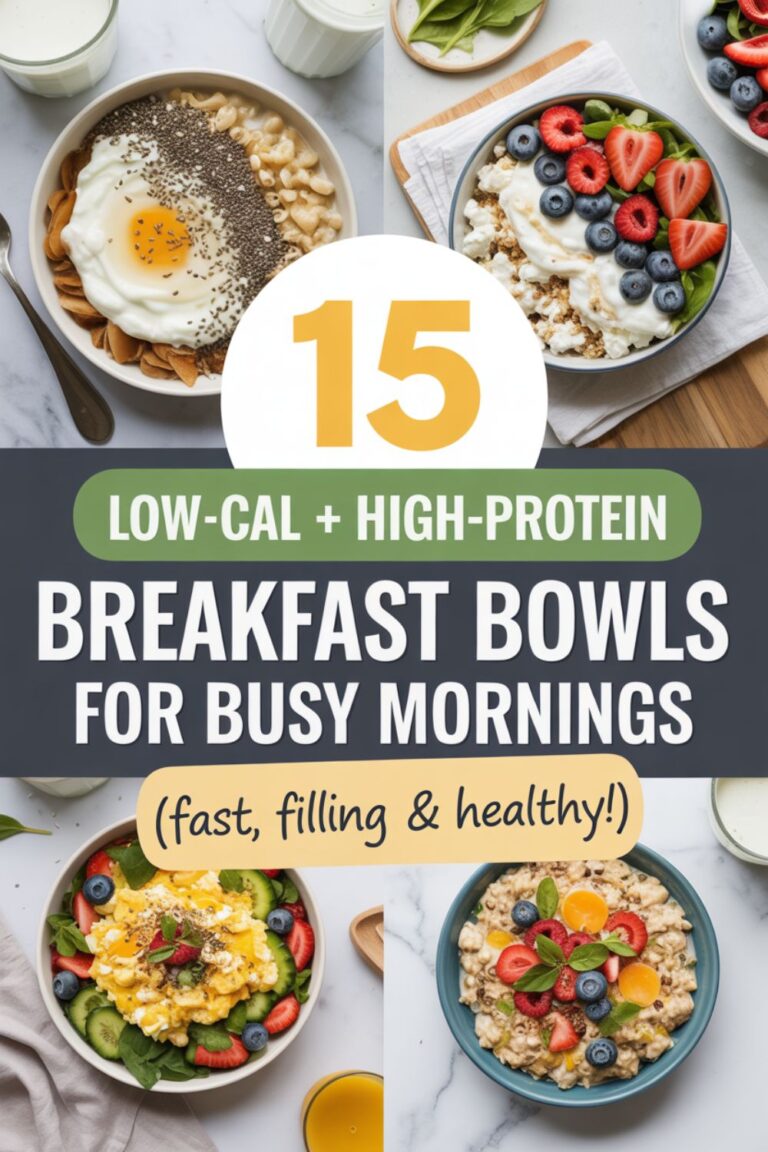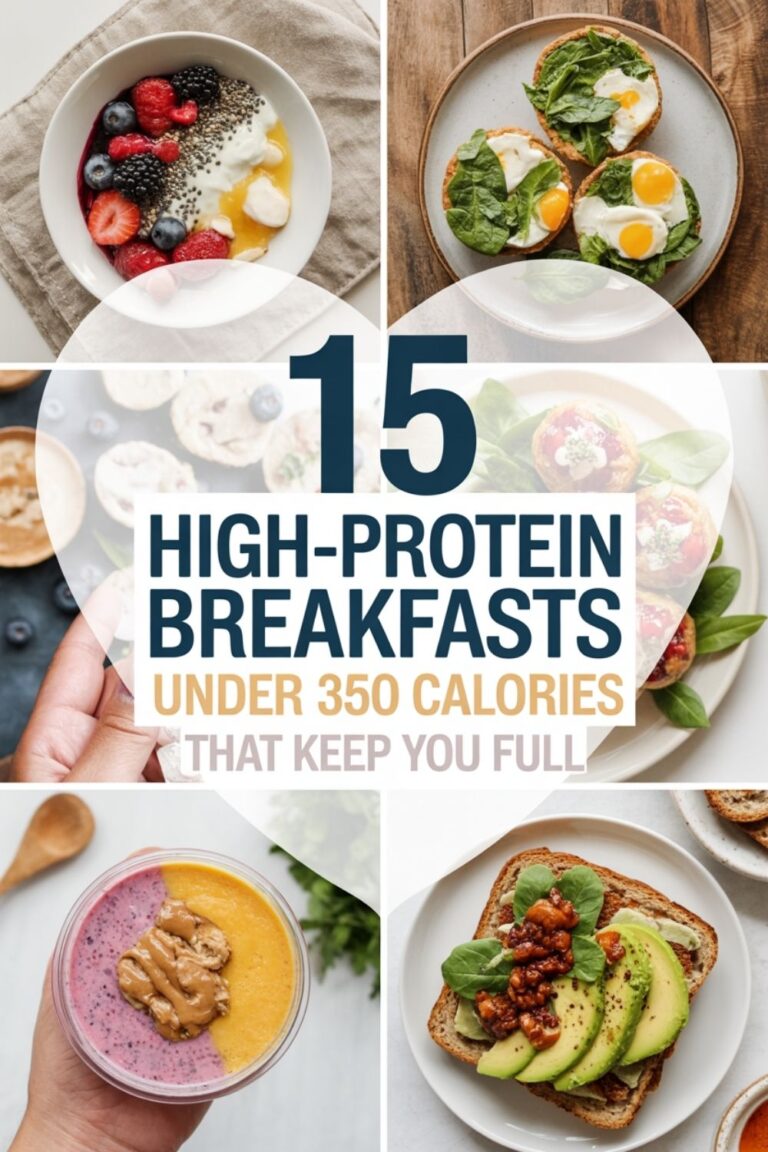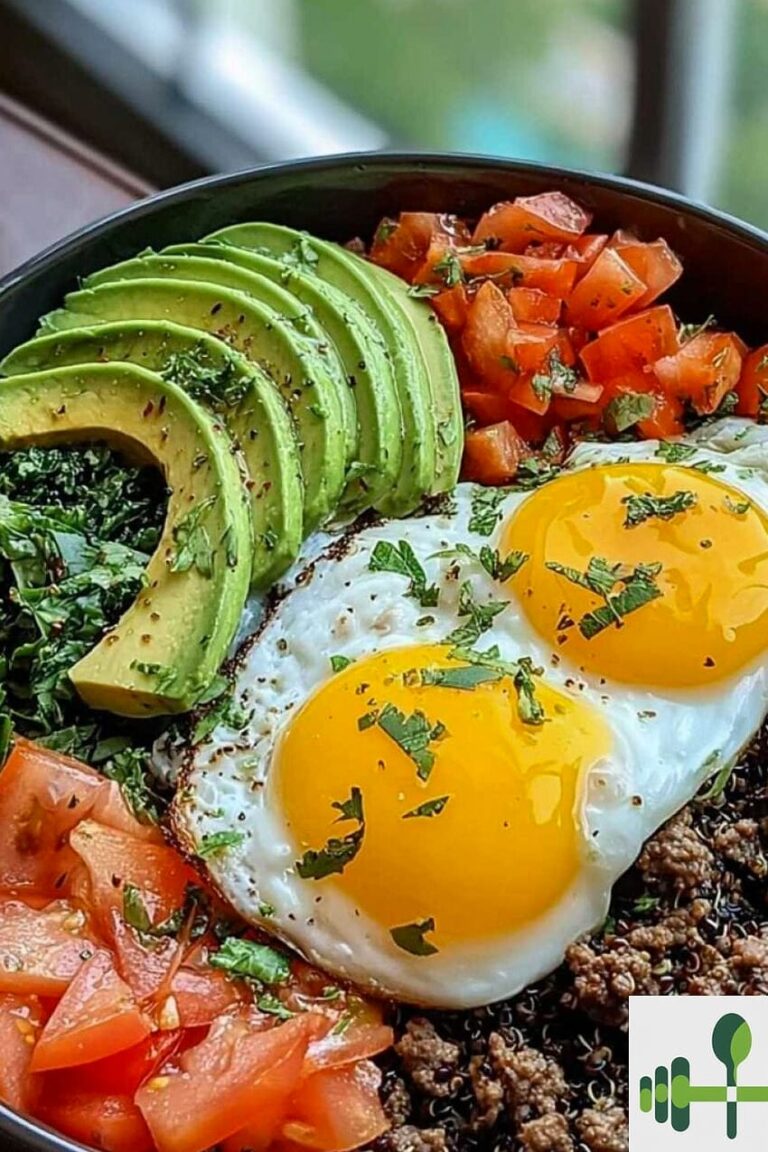
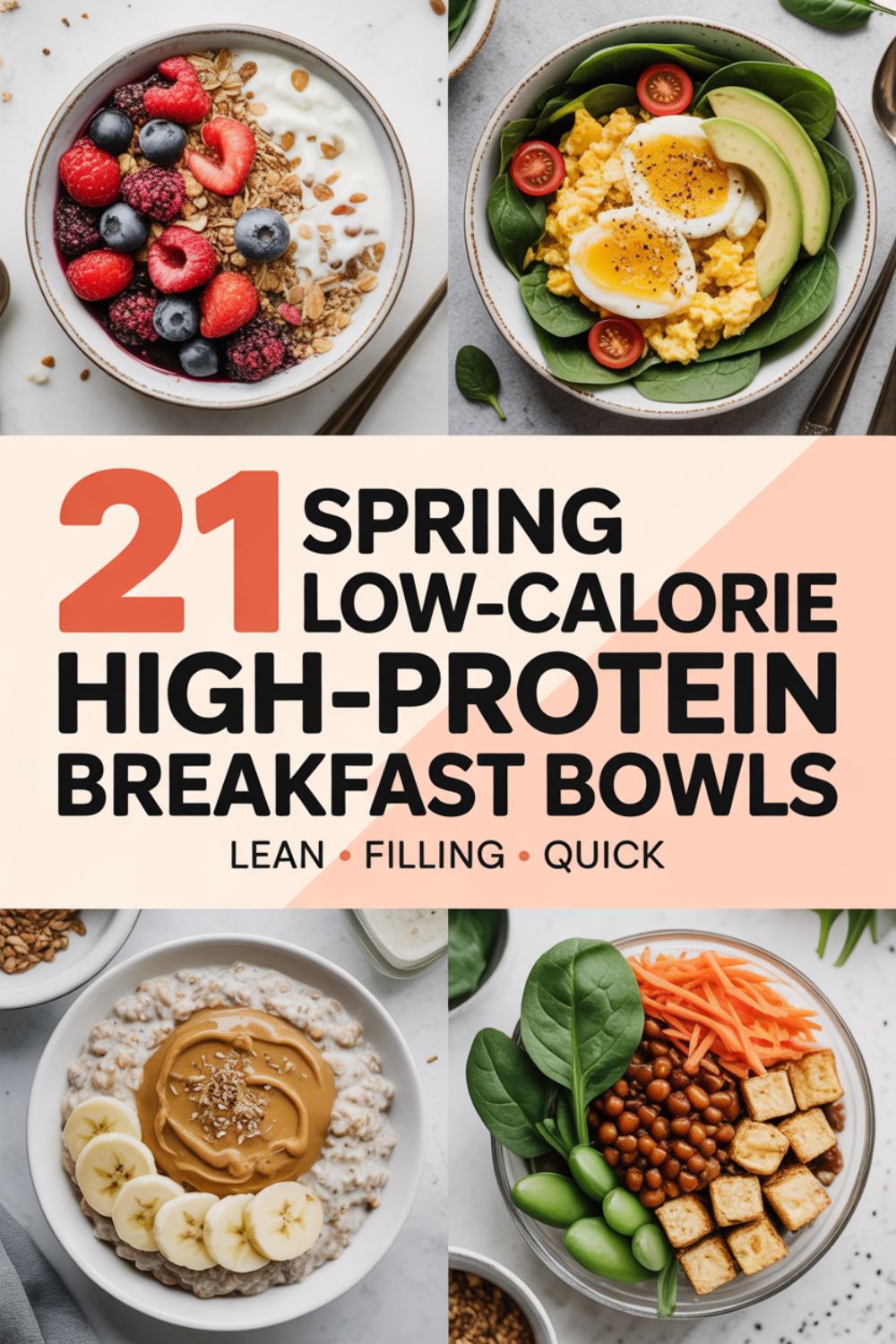
21 Spring Low-Calorie High-Protein Breakfast Bowls
Let’s be real here—winter breakfasts are basically carb festivals wrapped in cozy justification. But spring? Spring demands something different. Something lighter, brighter, and honestly way more photogenic. I’m talking breakfast bowls that don’t make you want to crawl back into bed for a nap before 10 AM.
These 21 spring breakfast bowls pack serious protein (we’re talking 20-35 grams per serving) while keeping calories in check. No sad desk salads masquerading as breakfast. No chalky protein powder sludge. Just real food that actually tastes like you want to eat it. Whether you’re meal prepping for the week or throwing something together on a Tuesday morning when you’re already late, these bowls have your back.
Why Spring Changes Everything for Breakfast
Spring produce hits different. Suddenly farmers markets aren’t just selling root vegetables and apples from last October. We’re talking asparagus that’s actually crisp, strawberries that don’t taste like cardboard, and leafy greens that haven’t been shipped from three states away.
The protein piece matters too. According to research on protein intake, getting 25-30 grams at breakfast can reduce cravings throughout the day and help maintain muscle mass during weight loss. But here’s the thing—most “high-protein” breakfasts are either boring as hell or secretly packed with 600 calories of nuts and oils.
These bowls keep it between 250-400 calories while delivering the protein your body actually needs. No weird tricks, no excluding entire food groups, just smart combinations that work.
The Spring Breakfast Bowl Framework
Before we dive into the specific recipes, let’s talk strategy. Every solid breakfast bowl needs four components: a protein base, fresh spring produce, a smart carb source, and something with healthy fats. Master this formula and you can basically improvise forever.
Protein Bases That Actually Work
Greek yogurt is the MVP here—about 17 grams of protein per cup, and it plays nice with both sweet and savory toppings. Just skip the flavored versions that are basically dessert in disguise. Plain nonfat or 2% is your friend.
Cottage cheese deserves way more credit than it gets. Yeah, the texture weirds some people out, but blend it smooth and suddenly you’ve got 28 grams of protein per cup. Game changer. If you’re still not sold, try mixing it half-and-half with Greek yogurt.
Eggs are the obvious choice for savory bowls. Two large eggs give you 12 grams of protein, and egg whites can boost that without adding calories. Pro tip: poached eggs over roasted spring vegetables is basically the entire aesthetic of brunch Instagram.
Looking for more morning protein ideas? Check out these low-calorie protein-packed breakfasts that’ll keep you full without the calorie overload.
Spring Produce Worth Getting Excited About
Strawberries, asparagus, peas, radishes, baby spinach, arugula, fresh herbs—spring is basically showing off at this point. The nutrition density is insane too. A cup of strawberries has only 50 calories but packs vitamin C and fiber. Asparagus brings folate and vitamin K. These aren’t just pretty toppings; they’re doing actual work.
I use this herb keeper to stop my fresh basil and cilantro from turning into sad mush after two days. Seriously extends their life by like a week. Worth every penny if you’re buying herbs regularly.
21 Spring Breakfast Bowls That’ll Change Your Mornings
Sweet Bowls for the Not-Fully-Awake Crowd
1. Strawberry Basil Protein Bowl
Greek yogurt base with sliced strawberries, fresh basil, a drizzle of balsamic reduction, and crushed pistachios. Sounds fancy, takes 5 minutes. The basil-strawberry combo is weirdly perfect—don’t knock it till you try it. Get Full Recipe.
2. Blueberry Lemon Cottage Cheese Bowl
Cottage cheese (or blend it if you’re texture-sensitive), fresh blueberries, lemon zest, a tiny bit of honey, and toasted almonds. High protein, low drama. Around 280 calories and 25 grams of protein.
3. Peach Melba Yogurt Bowl
Greek yogurt topped with fresh peaches, raspberries, and a handful of low-sugar granola. Classic combo that works every single time. The granola I use has only 3 grams of sugar per serving and doesn’t taste like cardboard.
4. Cherry Almond Protein Bowl
Fresh cherries (pitted, obviously), Greek yogurt, sliced almonds, and a sprinkle of cinnamon. Cherries are actually fantastic for post-workout recovery according to studies on tart cherry benefits. This bowl hits about 300 calories with 22 grams of protein.
5. Tropical Green Smoothie Bowl
Blend spinach, mango, pineapple, protein powder, and Greek yogurt until thick. Top with kiwi, coconut flakes, and chia seeds. Tastes like vacation, looks Instagram-worthy, keeps you full till lunch.
If smoothie bowls are your thing, you’ll want to see these smoothie bowls for weight loss that actually taste good.
Savory Bowls That Mean Business
6. Spring Veggie Scramble Bowl
Scrambled eggs or egg whites over sautéed asparagus, cherry tomatoes, and baby spinach. Top with feta and fresh dill. This is the bowl you make when you want to feel like a functional adult before 8 AM. Get Full Recipe.
7. Smoked Salmon and Avocado Bowl
Greek yogurt base (trust me on this), smoked salmon, sliced avocado, cucumber ribbons, capers, and everything bagel seasoning. About 320 calories, 28 grams of protein, and it feels bougie without the bougie price tag.
8. Mediterranean Egg White Bowl
Egg whites scrambled with sun-dried tomatoes, Kalamata olives, baby spinach, and a sprinkle of feta. Serve over a small portion of quinoa if you need extra staying power. Total protein: 26 grams. Total calories: 295.
9. Pesto Chicken Breakfast Bowl
Leftover grilled chicken (or rotisserie if we’re being honest), cherry tomatoes, arugula, a small scoop of pesto, and a poached egg on top. The runny yolk situation is non-negotiable here. Makes meal prep so much easier when dinner becomes tomorrow’s breakfast.
10. Spring Shakshuka Bowl
Eggs poached in a quick tomato sauce with bell peppers, onions, and spinach. Top with crumbled feta and fresh parsley. This one’s a weekend breakfast that feels like you actually tried. I make the sauce in this small skillet and it’s perfect for one or two servings.
For more savory breakfast inspiration that won’t bore you to tears, check out these breakfast bowls for busy mornings.
Grain-Based Bowls for Actual Sustenance
11. Savory Oatmeal with Poached Egg
Cook steel-cut oats in chicken or vegetable broth instead of water. Top with sautéed mushrooms, spinach, a poached egg, and a sprinkle of Parmesan. This breaks all the rules about oatmeal being sweet, and honestly? It’s better this way. Get Full Recipe.
12. Quinoa Breakfast Bowl with Spring Vegetables
Cooked quinoa topped with roasted asparagus, cherry tomatoes, a soft-boiled egg, and lemon tahini dressing. Quinoa brings 8 grams of protein per cup, and it’s a complete protein—meaning it has all nine essential amino acids your body needs.
13. Farro Berry Bowl
Farro has this nutty, chewy texture that’s actually satisfying. Cook it, let it cool, then top with Greek yogurt, fresh berries, toasted walnuts, and a tiny drizzle of maple syrup. Around 310 calories and keeps you full for hours.
14. Brown Rice Breakfast Bowl
Yes, rice for breakfast. Yes, it works. Warm brown rice with almond butter, sliced banana, chia seeds, and a splash of almond milk. The combo of complex carbs and protein is perfect pre-workout fuel.
15. Buckwheat Power Bowl
Despite the name, buckwheat is gluten-free and loaded with magnesium. Cook it like oatmeal, top with Greek yogurt, fresh strawberries, hemp seeds, and a sprinkle of cinnamon. FYI, buckwheat has about 6 grams of protein per cup cooked.
Speaking of bowls you can prep ahead, these meal prep bowls will save your weekday mornings from total chaos.
Meal Prep Essentials I Actually Use
Look, you don’t need a million kitchen gadgets. But these six things genuinely make breakfast bowl prep less annoying:
- Glass meal prep containers with divided sections – Keeps wet and dry ingredients separate until you’re ready to eat. No more soggy disasters.
- Small herb scissors – Chop fresh herbs in like 10 seconds. Way faster than using a knife and cutting board you’ll have to wash.
- Silicone egg poaching cups – Perfect poached eggs every time without the vinegar water drama. Microwave or stovetop, your choice.
- Meal planning template (printable PDF) – Map out your breakfast bowls for the week so you’re not staring blankly into the fridge every morning.
- Protein tracking spreadsheet – If you’re serious about hitting macros, this makes it stupid simple to track without downloading another app.
- Spring produce guide (downloadable) – Know what’s actually in season vs. what’s been sitting in cold storage since November.
No-Cook Assembly Bowls for Maximum Laziness
16. Protein Yogurt Parfait Bowl
Layer Greek yogurt, fresh berries, low-sugar granola, and a dollop of almond butter. Zero cooking required. Assemble it in a jar the night before and grab it on your way out. Sarah from our community meal-prepped these for two weeks straight and said it completely eliminated her morning Starbucks habit. That’s like $80 saved right there.
17. Overnight Oats Spring Edition
Mix oats, Greek yogurt, almond milk, chia seeds, and vanilla the night before. In the morning, top with fresh strawberries, sliced almonds, and a drizzle of honey. The oats soak up all the liquid overnight and you wake up to basically dessert for breakfast. Around 340 calories, 24 grams of protein.
18. Cottage Cheese Power Bowl
Cottage cheese, diced cucumber, cherry tomatoes, red onion, fresh dill, and everything bagel seasoning. Basically a deconstructed lox bagel situation without the bagel. High protein, refreshing, takes 2 minutes to throw together.
19. Chia Pudding Berry Bowl
Mix chia seeds with almond milk and protein powder the night before. Top with fresh berries, coconut flakes, and a spoonful of Greek yogurt. Chia seeds expand overnight into this pudding texture that’s either amazing or weird depending on who you ask. I’m team amazing.
20. No-Bake Protein Bowl
Greek yogurt mixed with a scoop of vanilla protein powder, topped with sliced banana, blueberries, granola, and a small handful of dark chocolate chips. Because sometimes you need chocolate at 7 AM and that’s totally valid.
For more grab-and-go ideas that actually keep you full, these bowls you can prep in under 20 minutes are absolute lifesavers.
The Wild Card Bowl
21. Green Goddess Breakfast Bowl
Blend avocado, spinach, Greek yogurt, lime juice, and cilantro into a thick green base. Top with cucumber, radishes, pumpkin seeds, and a soft-boiled egg. Looks like something from a wellness retreat, tastes like spring in a bowl. Around 315 calories, 22 grams of protein, and so many micronutrients you’ll basically glow. Get Full Recipe.
The Protein Math Nobody Tells You
Here’s the thing about protein at breakfast—it’s not just about the number. Your body can only process about 25-30 grams of protein at once for muscle synthesis. Anything beyond that gets used for energy or stored as fat. So these bowls aren’t trying to cram 50 grams of protein into your face. They’re hitting the sweet spot.
Also, protein sources matter. Greek yogurt and cottage cheese bring calcium and probiotics. Eggs have choline for brain function. Salmon delivers omega-3s. You’re not just checking a macro box—you’re getting a whole spectrum of nutrients your body actually needs.
According to Mayo Clinic’s guidance on high-protein diets, spreading protein throughout the day is more effective than loading it all at dinner. These breakfast bowls set you up for steady energy instead of that 10 AM crash that sends you hunting for donuts.
If you’re trying to balance protein intake across all meals, check out these meal plans for beginners that take the guesswork out of planning.
Real Talk About Meal Prepping Breakfast Bowls
Some of these bowls prep beautifully. Others need to be assembled fresh or they turn into sad, soggy messes. Let me save you some trial and error.
Prep-Friendly Bowls: Anything grain-based (quinoa, farro, oats) holds up great. Store the base and toppings separately, then combine the morning of. Overnight oats are literally designed for this. Hard-boiled eggs keep for a week.
Assemble Day-Of: Anything with avocado (oxidizes and turns brown), fresh herbs (wilt), or crispy elements (get soggy). Poached or fried eggs don’t reheat well—make them fresh or use hard-boiled instead.
The Container Situation: Glass meal prep containers are clutch here. I use these divided ones that keep wet ingredients away from dry stuff. Game changer for bringing lunch to work without everything turning into one homogeneous blob.
IMO, prepping 3-4 bowls at a time is the sweet spot. More than that and you’re eating the same thing all week. Fewer than that and you’re basically cooking every day anyway.
For a more structured approach, this 7-day breakfast plan maps out exactly what to prep and when.
Spring Ingredients That Punch Above Their Weight
Not all spring produce is created equal when you’re trying to keep calories low and nutrients high. Here’s what actually delivers:
Asparagus: 27 calories per cup, loaded with folate and vitamins A, C, and K. Roast it with a tiny bit of olive oil and it’s basically vegetable candy. I use this asparagus steamer when I’m too lazy to turn on the oven.
Strawberries: 50 calories per cup, more vitamin C than oranges, and they satisfy sweet cravings without added sugar. Buy them fresh and local when possible—the difference in taste is legitimately shocking.
Baby Spinach: 7 calories per cup, but packs iron, calcium, and magnesium. Throw it into literally anything. Scrambled eggs, smoothies, grain bowls—it just works. Basically the most versatile vegetable that exists.
Radishes: Crunchy, peppery, and only 1 calorie per radish. Add them to savory bowls for texture and a little kick. Plus they’re pretty, which matters more than we like to admit when you’re eating with your eyes first.
Fresh Herbs: Basil, cilantro, dill, mint—they’re basically zero calories but transform bland into crave-worthy. Fresh herbs are the difference between “I’m eating this because it’s healthy” and “I would actually order this at a restaurant.”
When to Eat What
Not all breakfast bowls serve the same purpose. Here’s how I think about timing:
Pre-Workout: Go lighter on fat, focus on quick-digesting carbs and moderate protein. The brown rice breakfast bowl or savory oatmeal work great here. You want fuel that won’t sit heavy in your stomach.
Post-Workout: This is when you want more protein and some fast carbs to help with recovery. The cottage cheese bowls or anything with Greek yogurt and fruit hit the spot. Your muscles are basically screaming for protein within 30-60 minutes after training.
Busy Weekday: Overnight oats, chia pudding, or any no-cook assembly bowl. You need something you can grab from the fridge and eat in the car if necessary. Zero judgment here.
Leisurely Weekend: Break out the shakshuka, the poached eggs, the fancy stuff that requires actual cooking. This is when you have time to make breakfast an experience instead of just fuel.
Looking for complete meal plans that map this out for you? These weekly meal prep guides are incredibly detailed and actually useful.
The Substitution Game
Don’t have an ingredient? Here’s how to swap without ruining the protein-to-calorie ratio:
- No Greek yogurt: Use cottage cheese, Icelandic skyr, or plain kefir. All high-protein, low-calorie alternatives.
- No eggs: Silken tofu scrambles surprisingly well, or use extra Greek yogurt for sweet bowls.
- No quinoa: Farro, bulgur, or even cauliflower rice work. Adjust protein accordingly.
- No fresh berries: Frozen work just as well nutritionally. Sometimes cheaper too, and they last forever.
- No almond butter: Peanut butter, sunflower seed butter, or tahini all bring healthy fats and protein. Just watch portions—nut butters are calorie-dense.
The protein source is really the only non-negotiable piece. Everything else is flexible as long as you’re maintaining that balance of protein, produce, smart carbs, and healthy fats.
Frequently Asked Questions
Can I make these breakfast bowls ahead for the whole week?
Most of them, yes—but with caveats. Grain-based bowls, overnight oats, and chia pudding hold up great for 4-5 days. Store components separately when possible, especially anything with avocado or fresh herbs. Eggs are best cooked fresh or hard-boiled if you’re prepping ahead. Honestly, I wouldn’t go past 4 days for anything with dairy or eggs just from a food safety standpoint.
How do I hit 25-30 grams of protein without going over 400 calories?
Focus on lean protein sources like Greek yogurt, cottage cheese, egg whites, and lean meats. A cup of nonfat Greek yogurt alone gives you 17 grams for about 100 calories. Add a scoop of protein powder (20-25 grams for 100-120 calories) and you’re basically there. The trick is minimizing high-calorie additions like nuts, oils, and sweeteners—use them for flavor, not volume.
What if I don’t like Greek yogurt or cottage cheese?
Try Icelandic skyr—similar protein content but different texture. You could also use silken tofu blended smooth with fruit for a yogurt-like consistency. For savory bowls, focus on eggs, lean chicken, turkey bacon, or even canned salmon. There are plenty of ways to hit protein goals without relying on dairy if it’s not your thing.
Are these bowls good for weight loss?
They can be, if they fit into your overall calorie goals. High protein keeps you full longer and helps preserve muscle mass during weight loss, which is crucial for maintaining your metabolism. These bowls range from 250-400 calories, which leaves room for lunch, dinner, and snacks. But no single food causes weight loss—it’s about consistent calorie deficit over time. These just make that deficit way more manageable because you’re not starving by 10 AM.
Can I use protein powder in these bowls?
Absolutely. Mix it into yogurt, overnight oats, chia pudding, or smoothie bowls. Just choose a flavor that complements the other ingredients—vanilla is safe for almost everything. One scoop typically adds 20-25 grams of protein for 100-120 calories, which is super efficient. I prefer unflavored or vanilla protein powder because chocolate protein powder in a savory bowl is… not great.
Final Thoughts (Because Every Article Needs One)
Spring breakfast doesn’t have to be complicated. You don’t need to spiralize vegetables into noodles or make everything from scratch at 6 AM. Most of these bowls come together in under 10 minutes if you’ve done even minimal prep work.
The real win here is having a framework that works—protein base, spring produce, smart carbs, healthy fats. Master that combination and you can improvise breakfast bowls forever based on what’s in your fridge or what’s on sale at the farmers market.
These 21 bowls aren’t meant to be followed like strict recipes. They’re templates. Starting points. Ideas for when you’re standing in front of the fridge wondering what the hell to eat that won’t make you crash before lunch.
Pick three or four that sound good, try them this week, see what sticks. Maybe you’ll discover that savory oatmeal is your new obsession. Maybe you’ll realize cottage cheese isn’t as weird as you thought. Or maybe you’ll just be really happy to have breakfast figured out for once.
Either way, you’re eating protein-packed spring flavors that actually taste good and keep you full. That’s the whole point.
30-Day High-Protein
Low-Calorie Meal Plan
Every breakfast, lunch, dinner & snack — all 30 days fully mapped out. Just follow the plan.
- ✓50+ complete recipes with ingredients & step-by-step instructions
- ✓4-week day-by-day plans — every meal for all 30 days
- ✓4 weekly shopping lists organised by store section
- ✓Printable habit & progress tracker — 30 full days
- ✓100g+ protein per day — scientifically optimised macros
Instant PDF · Print at home
Results guaranteed with consistency