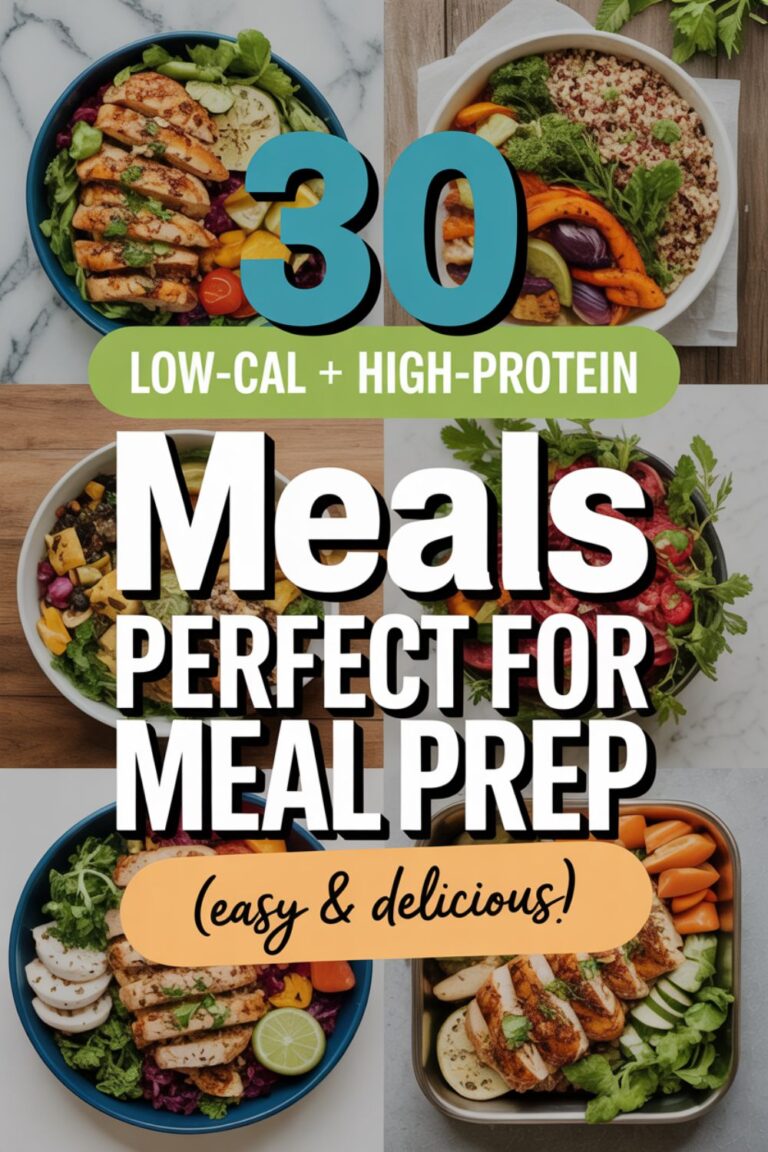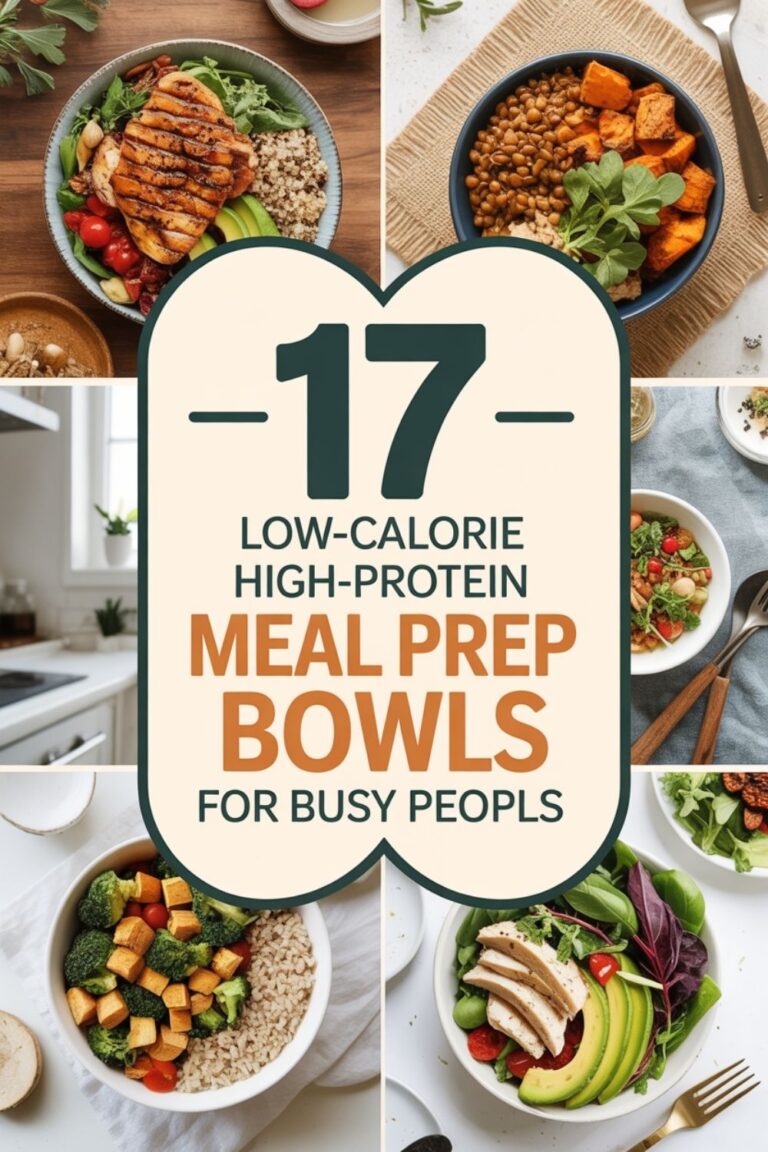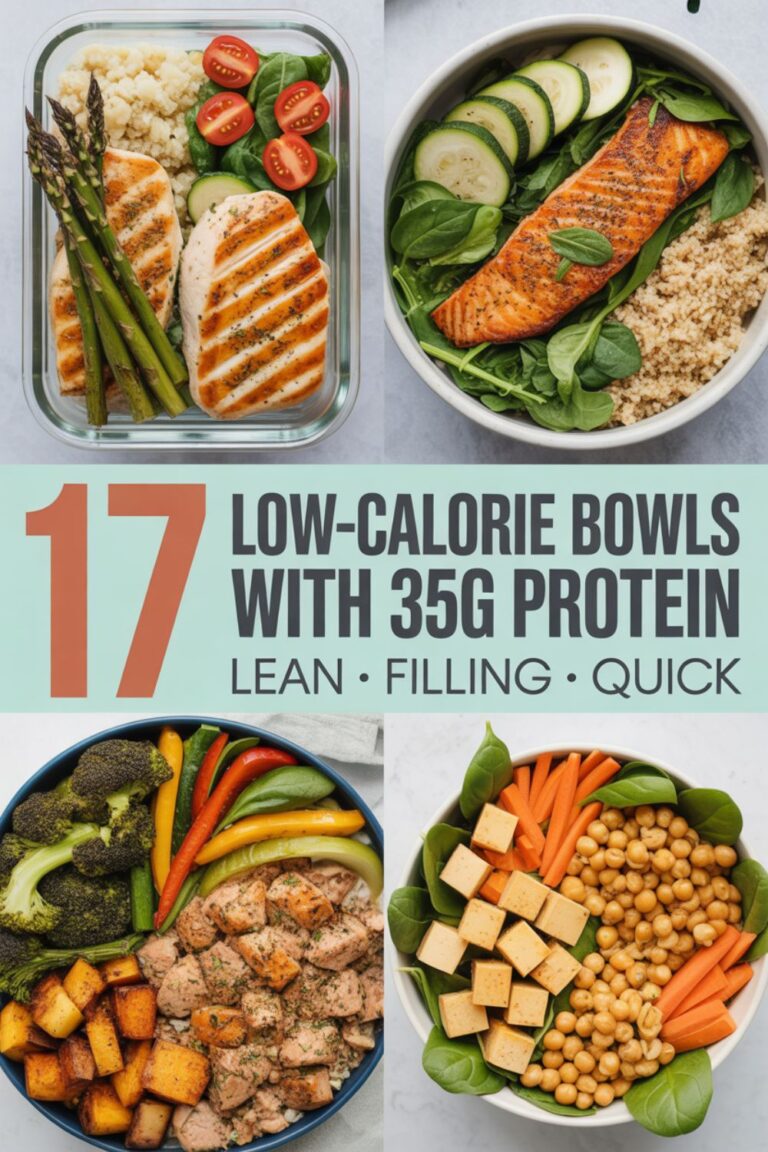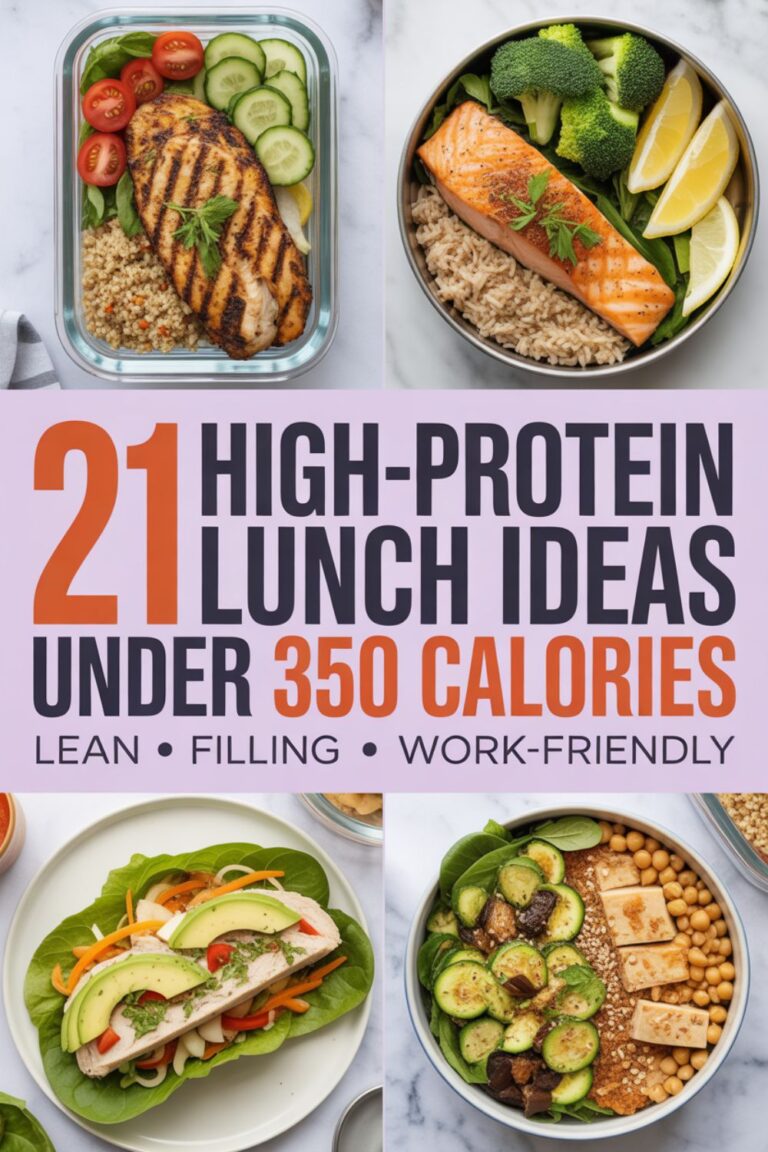
25 High-Protein Recipes for Weight Loss That You’ll Actually Want to Eat
No sad desk salads. No flavourless chicken breast. Just real food that keeps you full and moves the needle on the scale.
Let me be upfront with you: I used to think high-protein eating meant choking down dry chicken breast and chalky protein shakes twice a day while watching everyone else enjoy actual food. Spoiler — it doesn’t have to be that way at all. Once I stopped treating protein like medicine and started treating it like, you know, food, everything changed. The weight started moving. The cravings calmed down. And I actually looked forward to meals again.
That’s what this list is. These 25 high-protein recipes for weight loss are the ones I’d text a friend at 6pm on a Tuesday when they have no idea what to cook and need something that works. Satisfying, flavourful, and actually built around the science of keeping you full long enough to stop raiding the pantry at 10pm.
Before we get into it — if you’re curious about the actual science of why high-protein eating works so well for fat loss, research published by the National Institutes of Health found that higher protein diets reduce appetite by elevating satiety hormones while simultaneously boosting diet-induced thermogenesis — meaning your body burns more calories just digesting the food. Not a bad deal.
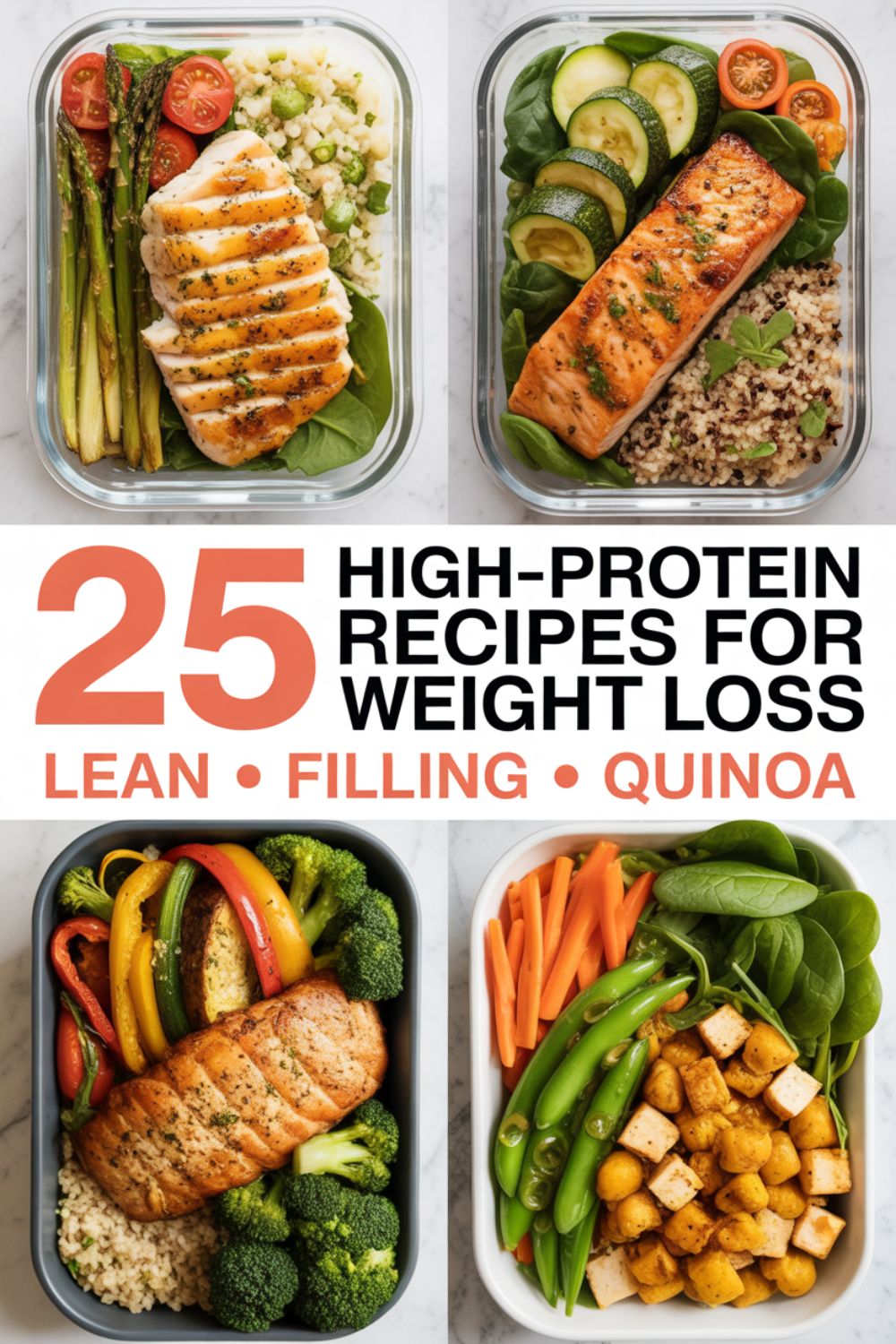
Why Protein Is the MVP of Weight Loss
Here’s the thing about protein that nobody explains well: it’s not just about building muscle. When you eat enough of it, your body releases hormones that physically tell your brain you’re full. That’s not a diet trick — that’s biology doing its job. Healthline’s nutrition team notes that consuming between 25 and 30 grams of protein per meal provides meaningful improvements in appetite control throughout the day.
Compare that to a standard high-carb breakfast — you know, the bowl of cereal or the bagel — and you’ll understand why you’re starving again by 10:30am. Protein takes longer to digest, which means it sticks around, keeping you satisfied longer and making it much easier to stay in a calorie deficit without feeling like you’re constantly white-knuckling it through hunger pangs.
The other underrated win is muscle preservation. When you’re cutting calories, your body can start burning muscle for fuel if protein is too low. That matters more than people realise, because muscle tissue is metabolically active — it burns calories even at rest. Protect it, and your metabolism stays higher as the pounds come off. That’s a win most people leave on the table by focusing only on eating less rather than eating smarter.
Aim for at least 25–30g of protein at breakfast. It sets your appetite hormones for the entire day and dramatically reduces afternoon snack cravings.
Breakfast Recipes That Actually Keep You Full
IMO, breakfast is where most weight-loss efforts succeed or collapse before the day even starts. Nail this meal and you’ll make about 40% better food choices by lunchtime — I’ve lived this. Start it with a doughnut, and, well, you already know how that story ends.
Greek Yogurt Power Bowl with Berries and Hemp Seeds
Full-fat Greek yogurt brings around 20g of protein in a single cup. Layer it with frozen berries (thawed overnight), a tablespoon of hemp seeds for an extra 10g, and a drizzle of honey. Takes three minutes. Feels indulgent. Isn’t.
Cottage Cheese Egg Scramble with Spinach
This one is a stealth move. Mix two eggs with a quarter cup of cottage cheese before scrambling — the cottage cheese melts in, adds a creaminess you’d swear was butter, and bumps the protein to nearly 35g. Throw in a handful of spinach, a pinch of garlic powder, and you have a proper breakfast. Get Full Recipe
Overnight Oats with Protein Powder and Almond Butter
Rolled oats, a scoop of vanilla protein powder, unsweetened almond milk, a tablespoon of almond butter — shake it up in a wide-mouth mason jar the night before and wake up to breakfast already done. Protein clocks in around 30–35g depending on your powder. This is what meal prep freedom feels like.
Turkey and Egg White Breakfast Wrap
A whole-wheat tortilla, three egg whites, two slices of lean turkey deli meat, a smear of avocado, and whatever hot sauce you’re into right now. This is a genuinely portable, genuinely filling wrap that hits 30g of protein and travels well in those reusable sandwich wraps that have been sitting in your drawer since last January.
Smoked Salmon and Cream Cheese Rice Cakes
If you haven’t tried smoked salmon as a breakfast protein yet, here’s your sign. Top two brown rice cakes with light cream cheese, two ounces of smoked salmon, capers, and thinly sliced red onion. It’s elegant enough to feel like a treat, fast enough for a weekday, and the omega-3s are doing good work for your inflammation levels too.
I honestly couldn’t believe how different I felt after two weeks of hitting my protein targets at breakfast. I stopped snacking completely before lunch, which had never happened in my life. By month three I was down 14 pounds and hadn’t felt deprived once.
Lunch Recipes That Won’t Make You Fall Asleep at Your Desk
Lunch has a unique challenge: it needs to be substantial enough to carry you through to dinner, but not so heavy that you’re a zombie from 2 to 4pm. The answer, as you’ve probably guessed, is protein. The recipes below lean on chicken, tuna, legumes, and eggs to hit that 25–35g target without piling on unnecessary calories.
Mediterranean Tuna Salad Lettuce Wraps
Ditch the mayo. Mix canned tuna with olive oil, lemon juice, diced cucumber, halved cherry tomatoes, kalamata olives, and a handful of fresh parsley. Spoon into butter lettuce cups. It tastes like a holiday and takes roughly eight minutes to assemble. Get Full Recipe
Spicy Chicken and Quinoa Bowl
Grilled or rotisserie chicken (the shortcut nobody should feel bad about using), cooked quinoa, black beans, corn, pico de gallo, and a drizzle of chipotle-lime Greek yogurt dressing instead of sour cream. The quinoa-bean combo gives you a complete protein from plants on top of the chicken, making this genuinely one of the most filling bowls you can put together. You can find more bowl ideas like this in these 20-minute high-protein bowls.
White Bean and Kale Soup
This one works beautifully in a slow cooker or on the stovetop in 25 minutes. White cannellini beans, chopped kale, chicken or vegetable broth, diced tomatoes, garlic, and Italian seasoning. A full bowl hits about 22g of protein, it freezes perfectly, and it tastes better on day two. Compare cannellini to chickpeas here: both work, but cannellini gives a creamier texture while chickpeas hold their bite better in soups — either way, you’re winning on protein.
High-Protein Egg Salad Wrap
Four hard-boiled eggs, light Greek yogurt instead of mayo (genuinely works and nobody will notice), Dijon mustard, celery, and chives. Wrap in a whole-wheat tortilla with romaine. Classic, satisfying, zero cooking required if you batch your hard-boiled eggs in a silicone egg cooker on Sunday nights.
Edamame and Brown Rice Power Bowl
A great plant-based lunch that doesn’t feel like a consolation prize. Steamed edamame, brown rice, shredded purple cabbage, sliced avocado, shredded carrots, and a sesame-ginger dressing. Edamame is one of the few plant foods that delivers all nine essential amino acids — same profile as meat — making it a complete protein source that rivals chicken ounce for ounce in terms of nutritional value.
Double your lunch portion on Sunday — you’ll have ready-to-go meals for Monday and Tuesday without any extra work. Prep once, eat twice.
Meal Prep Essentials & Kitchen Tools That Make These Recipes Easier
These are the things I actually use — not a sponsored wish-list, just an honest roundup of what makes cooking this kind of food faster and less annoying.
Physical Tools
- Meal Prep Glass Containers (10-piece set) Leakproof, oven-safe, and the dividers actually stay put. A game-changer for batch cooking bowls and keeping toppings separate until you’re ready to eat.
- Instant-Read Meat Thermometer Cooking chicken to 165°F every time without guessing. Sounds basic, tastes professional. Takes 2 seconds to use.
- High-Speed Blender for Protein Smoothies If you’re making the smoothie bowls or protein shakes in this list, a real blender that doesn’t sound like a lawnmower is worth the investment.
Digital Resources
- Weekly High-Protein Meal Prep Guide A complete framework for prepping an entire week of high-protein, low-calorie meals in under two hours on Sunday.
- 30-Day High-Protein Reset Plan A full month of structured eating with daily meals mapped out — perfect if you want to stop making decisions every evening.
- 14-Day Low-Calorie High-Protein Meal Prep Plan Two weeks of recipes, shopping lists, and prep schedules all in one place. Great for beginners who want everything organised before they start.
Dinner Recipes That Feel Like Comfort Food (But Do the Work)
Dinner is the meal where people most often blow their protein goals — not because they’re eating badly, but because the go-to comfort foods (pasta, pizza, takeaway) tend to be carb-heavy and protein-light. These recipes are built to fix that without making you feel like you’re eating “diet food.”
Sheet Pan Lemon Herb Salmon with Asparagus
Six ounces of salmon on a sheet pan with asparagus, olive oil, lemon zest, garlic, and fresh dill. Oven at 400°F for 15 minutes. You’ll feel like a competent adult who has their life together. This is the kind of recipe that makes single-pan cooking look thoughtful, not lazy — and for good reason: it genuinely is. Get Full Recipe
Slow Cooker Turkey Chilli
Brown ground turkey in the morning, dump it in the slow cooker with canned tomatoes, kidney beans, black beans, bell peppers, onion, chicken broth, and a solid chilli spice blend. Come home to dinner. This freezes in batches and legitimately gets better after a day or two in the fridge. Find the full technique over in these high-protein slow cooker meals.
Greek Chicken Souvlaki Bowl
Chicken thighs marinated in lemon, oregano, garlic, and olive oil, then grilled or cooked in a cast-iron skillet. Serve over cauliflower rice or regular rice with diced cucumber, tomatoes, red onion, kalamata olives, and a generous dollop of tzatziki made from strained Greek yogurt. Every element of this bowl does something useful — protein from the chicken, probiotics from the yogurt, fibre from the vegetables.
Beef and Broccoli Stir-Fry (Lightened Up)
Lean sirloin, cut thin against the grain, stir-fried in a carbon steel wok with broccoli florets in a sauce of coconut aminos, sesame oil, garlic, ginger, and a touch of honey. Skip the takeaway version that drowns everything in sugar and sodium — this one comes together in 12 minutes and costs a fraction of the delivery price.
Baked Cod with Tomato-Caper Sauce
Cod is the underdog of lean proteins — mild, affordable, and incredibly high in protein for its calorie count. Bake it at 375°F with a quick sauce of crushed tomatoes, garlic, capers, and fresh basil poured over the top. Under 300 calories, over 35g of protein. Serve with a side of sautéed zucchini or roasted green beans.
Snacks That Support Your Goals Instead of Sabotage Them
Here’s the real talk: snacking isn’t the enemy. Mindless snacking is. When your snacks have actual protein in them, they function as support beams for your goals rather than little calorie landmines scattered through your afternoon. These five do exactly that.
Crispy Air-Fried Chickpeas
Drain and dry a can of chickpeas, toss with olive oil and your spice blend of choice (smoked paprika, cumin, and garlic powder is my go-to), then air-fry at 400°F for 15 minutes in your compact air fryer, shaking halfway. They crisp up perfectly and deliver around 15g of protein per half-cup serving. Better than chips in every measurable way.
Tuna-Stuffed Mini Bell Peppers
Halve a dozen mini sweet peppers and fill each one with a mixture of canned tuna, light mayo, Dijon, and diced celery. They look like something you’d serve at a dinner party and take six minutes to make. FYI — these are incredible for afternoon snacking because the combination of protein and fibre from the peppers holds you steady until dinner without the energy crash.
Protein Energy Balls with Oats and Peanut Butter
Rolled oats, natural peanut butter (or almond butter if you’re feeling fancy), protein powder, honey, and mini dark chocolate chips. Roll into balls, refrigerate for 30 minutes. Batch makes about 20 and they keep for two weeks. Each ball hits around 8g of protein and tastes like a dessert that happens to be good for you. If you prefer almond butter, know that it edges out peanut butter on vitamin E and healthy fats, though peanut butter typically has slightly more protein per tablespoon.
Edamame with Sea Salt and Lemon
The simplest high-protein snack that somehow never gets enough credit. A cup of shelled edamame — steamed from frozen in three minutes — with flaky sea salt and a squeeze of fresh lemon. Eighteen grams of plant protein, around 180 calories, and satisfying in a way that peanuts and chips just can’t compete with. Keep a bag of frozen edamame in your freezer at all times and you’ll never be caught without a protein option.
Cottage Cheese with Everything Bagel Seasoning
Half a cup of cottage cheese, a generous sprinkle of everything bagel seasoning, and sliced cucumber or celery on the side for dipping. It sounds weirdly specific but it’s genuinely addictive. The seasoning transforms cottage cheese from “diet food” into something that tastes like a proper savoury snack. Around 14g of protein per serving and ready in under a minute.
Meal Prep Recipes for When You Want the Week to Run Itself
The fastest way to consistently hit your protein targets isn’t discipline — it’s not having to make decisions at every meal. When you batch-cook on Sunday, you essentially remove the hardest part of eating well: the figuring-it-out-when-you’re-already-hungry problem. These five recipes are designed specifically to prep in bulk and hold up well through the week.
Chicken and Sweet Potato Meal Prep Bowls
Roast a whole sheet pan of diced sweet potato and broccoli alongside seasoned chicken breast. Divide into four containers with a scoop of brown rice or quinoa. This is the meal prep recipe that people start and never stop. It’s balanced, it reheats well, and you can rotate the seasonings — lemon-herb one week, smoky chipotle the next — without it ever feeling repetitive. More ideas like this live in these meal prep bowl collections.
Mason Jar Greek Salads with Grilled Chicken
Layer dressing at the bottom, then chickpeas, cucumber, cherry tomatoes, red onion, kalamata olives, grilled chicken, and romaine lettuce at the top. Keep in the fridge for up to four days. Shake, pour into a bowl, and lunch is done. The layering order prevents everything from getting soggy, which is the only real skill involved here.
Hard-Boiled Eggs with Hummus and Veggie Sticks
Batch-cook twelve eggs at the start of the week in your silicone egg cooker insert for perfectly peelable results every time. Pair two eggs with a quarter cup of hummus and whatever vegetables you have around — carrots, celery, bell pepper strips, snap peas. Each serving hits around 22g of protein and requires essentially zero cooking skill. Respectfully, there’s no excuse not to have this ready.
Turkey Meatball and Zucchini Noodle Prep
Make a double batch of turkey meatballs (ground turkey, egg, almond flour, garlic, Italian herbs) and bake them all at once. Spiralise a few zucchini with your vegetable spiraliser and keep the noodles raw in the fridge until needed — they only take two minutes to sauté. Top with marinara and meatballs when ready to eat. Forty grams of protein, comfortable pasta vibes, zero guilt about going back for seconds.
Overnight Chia and Protein Pudding Jars
Chia seeds, your protein powder of choice, unsweetened coconut or almond milk, and a little vanilla extract. Whisk together, pour into small jars, refrigerate overnight. In the morning, top with whatever fruit you have and a sprinkle of granola for texture. Around 28g of protein per jar. Make five at once and you have an entire week of breakfasts sorted before Sunday is over. More inspiration for that kind of morning routine is in this 7-day protein breakfast plan.
Store your meal prep containers in the order you plan to eat them — oldest at the front, newest at the back. You’ll never accidentally skip a meal and waste food again.
The Sunday meal prep routine genuinely changed my relationship with food. I used to come home tired and grab whatever was easy — which was never the right thing. Now my fridge is basically a curated selection of things I actually want to eat. I’m down 18 pounds over four months and I never felt like I was on a diet.
Frequently Asked Questions
How much protein do I actually need per day for weight loss?
For most active adults, aiming for 1.2 to 1.6 grams of protein per kilogram of bodyweight per day works well for weight loss while preserving lean muscle. In practical terms, that’s roughly 80–130g per day for a 70kg person. Spreading it across three to four meals rather than front-loading it all at dinner gives better results for satiety throughout the day.
Can I lose weight eating high protein without counting calories?
Many people do — and the research supports why. Higher protein intake naturally reduces appetite hormones and increases fullness hormones, which leads to spontaneous reductions in total calorie intake without strict tracking. That said, some awareness of portion sizes helps, particularly with high-fat protein sources like cheese, nut butters, and fatty fish.
What are the best plant-based protein sources for weight loss?
Edamame, tempeh, lentils, chickpeas, black beans, and tofu are your heavy hitters. Edamame and soy-based products stand out because they contain all nine essential amino acids, making them complete proteins on par with meat. Quinoa is worth mentioning too — it’s one of the only grain-like seeds that qualifies as a complete protein. For more inspiration, this plant-based high-protein collection is a great place to start.
Are high-protein diets safe long-term?
For healthy adults without pre-existing kidney conditions, the evidence strongly suggests yes. Multiple clinical trials lasting six to twelve months have found no negative effects on kidney function or bone density at protein intakes between 1.2 and 2.0 grams per kilogram of bodyweight. If you have existing kidney disease or related concerns, it’s worth a conversation with your doctor before making significant changes to your protein intake.
What’s the easiest way to start eating more protein if I’m a beginner?
Start with breakfast — it has the biggest downstream effect on your appetite for the rest of the day. Swap your cereal or toast for Greek yogurt with seeds, eggs with cottage cheese, or a protein smoothie. Once breakfast is consistent, use the high-protein meal plans for beginners to build out the rest of your week without overthinking it.
The Bottom Line
High-protein eating for weight loss doesn’t require a complete personality overhaul, a fridge full of supplements, or any particular level of cooking skill. It requires one thing: consistently choosing meals that give your body what it actually needs to feel satisfied, preserve muscle, and burn fat efficiently.
These 25 recipes are a starting point, not a prescription. Pick two or three that sound genuinely appealing to you — not the ones that seem the most virtuous, the ones you’d actually want to eat on a random Wednesday — and build from there. Sustainability beats perfection every time. The best high-protein diet is the one you’re still following three months from now.
Start with your kitchen organised and your prep done, and the rest follows naturally. What’s one recipe from this list you’re trying this week?
30-Day High-Protein
Low-Calorie Meal Plan
Every breakfast, lunch, dinner & snack — all 30 days fully mapped out. Just follow the plan.
- ✓50+ complete recipes with ingredients & step-by-step instructions
- ✓4-week day-by-day plans — every meal for all 30 days
- ✓4 weekly shopping lists organised by store section
- ✓Printable habit & progress tracker — 30 full days
- ✓100g+ protein per day — scientifically optimised macros
Instant PDF · Print at home
Results guaranteed with consistency