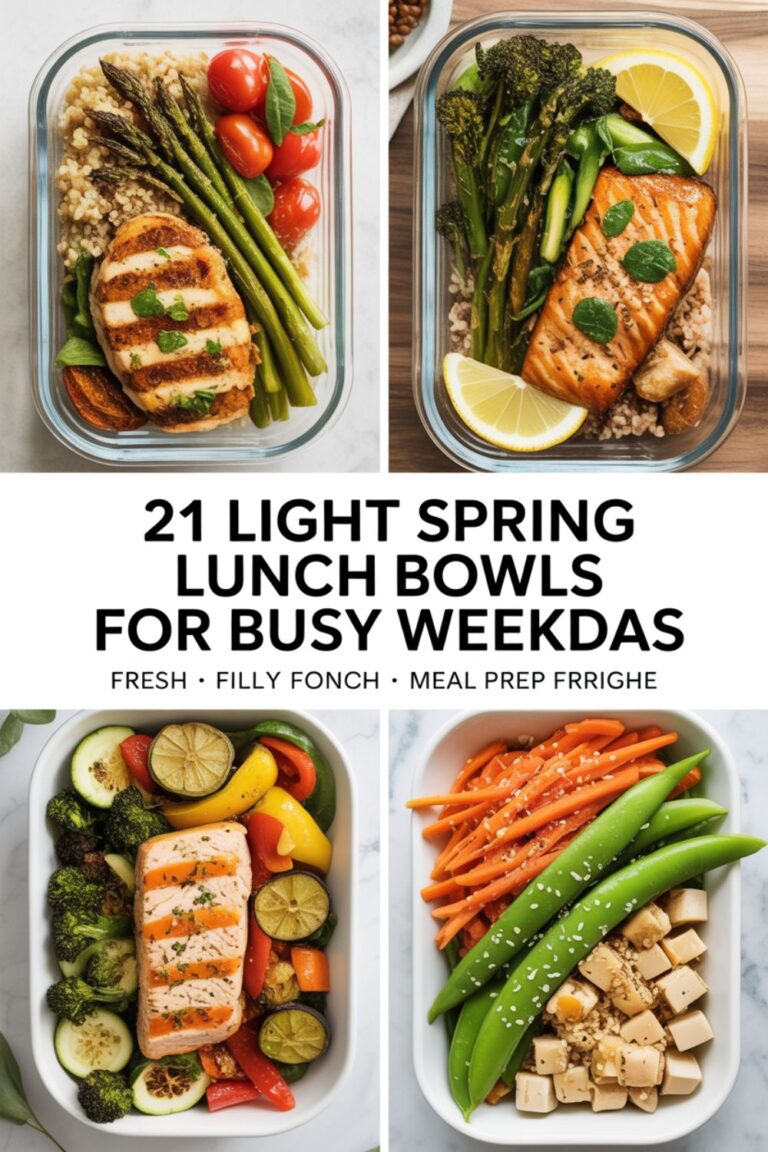
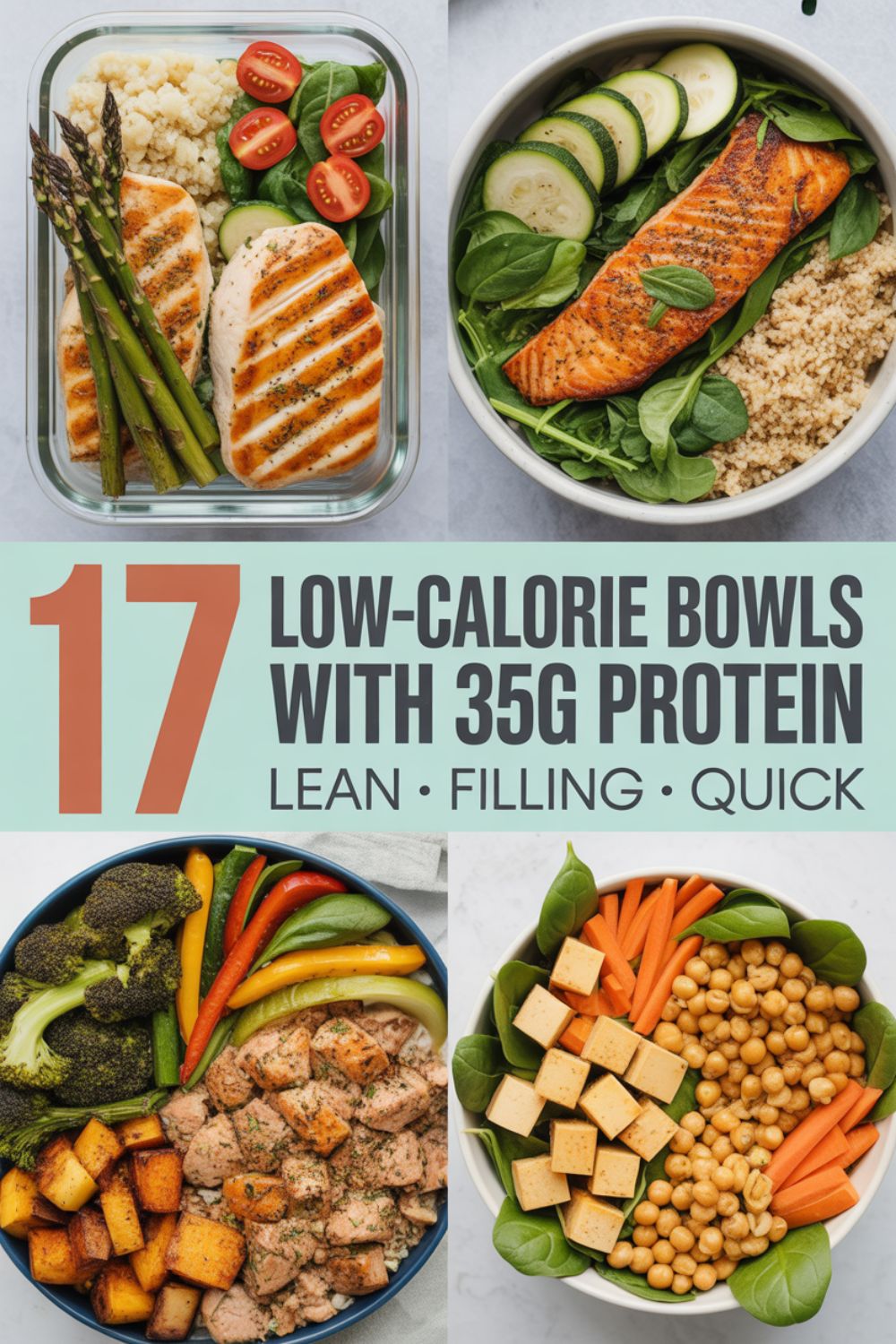
17 Low-Calorie Bowls with 35g Protein That Actually Taste Like Real Food
Hitting your macros without crying over a sad iceberg salad is possible. Here’s proof.
Let’s be real for a second. Most “healthy bowls” floating around the internet either look like they were styled by a professional photographer and taste like cardboard, or they clock in at so many calories that you’d need to run a half marathon to break even. Neither situation is especially inspiring. But here’s the thing — hitting 35 grams of protein in a single bowl while keeping calories in check is genuinely not that hard once you know the formula.
I got obsessed with building the perfect high-protein, low-calorie bowl structure after spending way too many lunch breaks eating sad desk food and wondering why I was hungry again by 3pm. Turns out, the answer was almost always protein. A bowl with a solid 35g of protein keeps you full, fuels muscle repair, and tastes infinitely better than a protein shake you choke down after a workout. Win, win, and honestly — win again.
These 17 bowls cover breakfast through dinner, plant-based through pescatarian, meal prep through “I need this on the table in 20 minutes.” Let’s get into it.
Why 35g of Protein Per Bowl Changes the Whole Game
You’ve probably heard that protein keeps you full, but the science behind it is a little more interesting than that. When you eat protein, your body releases satiety hormones — GLP-1 and cholecystokinin — while suppressing ghrelin, the hormone that makes you want to raid the pantry at 10pm. According to research published on Healthline’s nutrition guide on protein intake, eating adequate protein at each meal can meaningfully reduce hunger and lower overall calorie intake without requiring white-knuckle willpower. That’s the goal here.
The 35-gram target per bowl is also strategically chosen. Mayo Clinic Health System recommends targeting 15 to 30 grams of protein per meal for most adults, with active individuals and those focused on fat loss or muscle maintenance benefiting from the higher end of that range. Thirty-five grams sits just above that sweet spot — enough to maximize muscle protein synthesis from a single meal without going so high that it crowds out other nutrients.
The bowls below are all built around a simple three-part framework: a lean protein base, a fiber-rich carbohydrate layer, and a fat source that carries flavor. Get those three things right and the calories almost manage themselves.
Prep your protein sources on Sunday — batch-cook chicken thighs, hard-boil eggs, and rinse canned legumes. Future you will think present you is an actual genius.
The 17 Best Low-Calorie High-Protein Bowls
Each bowl below targets roughly 350 to 450 calories with at least 35 grams of protein. Macros are approximate and will shift slightly based on your exact portions and ingredient brands. Consider these a framework, not a rigid prescription.
Greek Chicken Power Bowl
Grilled lemon-oregano chicken breast over a base of cauliflower rice and baby spinach, topped with diced cucumber, cherry tomatoes, kalamata olives, and a big spoonful of plain Greek yogurt doing double duty as dressing. The yogurt adds another hit of protein while keeping things creamy without extra fat. If you want to go full Mediterranean, a light drizzle of Bragg Nutritional Yeast adds a surprising umami depth. Get Full Recipe
Spicy Tuna Poke Bowl (Lightened Up)
Sushi-grade tuna tossed with reduced-sodium soy sauce, sesame oil, sriracha, and a little rice vinegar, served over cauliflower rice or a small portion of short-grain brown rice. Load it with edamame, shredded purple cabbage, sliced cucumber, and avocado for healthy fats. The edamame alone pushes extra protein while the whole bowl stays light. Honestly one of the fastest things on this list. Get Full Recipe
Turkey Taco Bowl
Lean ground turkey (93% lean) cooked with cumin, chili powder, garlic, and a splash of lime juice over romaine lettuce and riced cauliflower. Top with black beans, pico de gallo, sliced jalapeNo, and a small portion of low-fat cottage cheese instead of sour cream. IMO the cottage cheese swap is the best kept secret in high-protein cooking — nobody ever suspects it. Get Full Recipe
Egg White and Veggie Breakfast Bowl
Eight egg whites scrambled with spinach, roasted red pepper, and mushrooms, served over a small base of quinoa for texture and additional protein. Top with a sliced avocado quarter, hot sauce, and fresh chives. Quinoa is one of the few plant foods that counts as a complete protein — meaning it carries all nine essential amino acids — making it a smart base for plant-forward bowls too. If you want more morning bowl inspiration, check out these 15 low-calorie high-protein breakfast bowls for busy mornings.
Salmon and Edamame Buddha Bowl
A 4-oz piece of baked salmon (wild-caught if you can swing it) over massaged kale and shredded red cabbage, with steamed edamame, sliced radishes, and a miso-tahini dressing that takes about 90 seconds to whisk together. Salmon brings omega-3s to the party on top of the protein, which makes this one of the most nutritionally dense bowls on the entire list. The kale-to-protein ratio is exceptional.
Cottage Cheese and Berry Protein Breakfast Bowl
One cup of full-fat cottage cheese (which already packs 25–28g of protein on its own) layered with fresh mixed berries, a tablespoon of Justin’s Almond Butter single-serve packets for healthy fat, a drizzle of raw honey, and a handful of hemp seeds for crunch and bonus protein. No cooking. Zero cleanup. This is the bowl you make when you need something fast and filling before a morning workout. Get Full Recipe
Lemon Herb White Fish Bowl
Tilapia or cod (both lean and affordable) pan-seared with lemon zest, fresh thyme, and garlic, served over arugula and roasted asparagus with a small scoop of white bean puree that acts as both a base and an additional protein source. White beans versus chickpeas here is mostly a texture call — white beans blend smoother for the puree, but chickpeas work great if you prefer a chunkier base.
Shrimp and Zoodle Power Bowl
Six ounces of sauteed shrimp (which is almost pure protein) over zucchini noodles with roasted cherry tomatoes, fresh basil, and a light garlic-olive oil sauce. Shrimp cooks in three minutes and packs around 20g of protein per 3-ounce serving, making it one of the most efficient protein sources you can throw in a bowl. A garnish of crushed red pepper and lemon is all you need to finish this one off perfectly.
Black Bean and Tempeh Taco Bowl (Vegan)
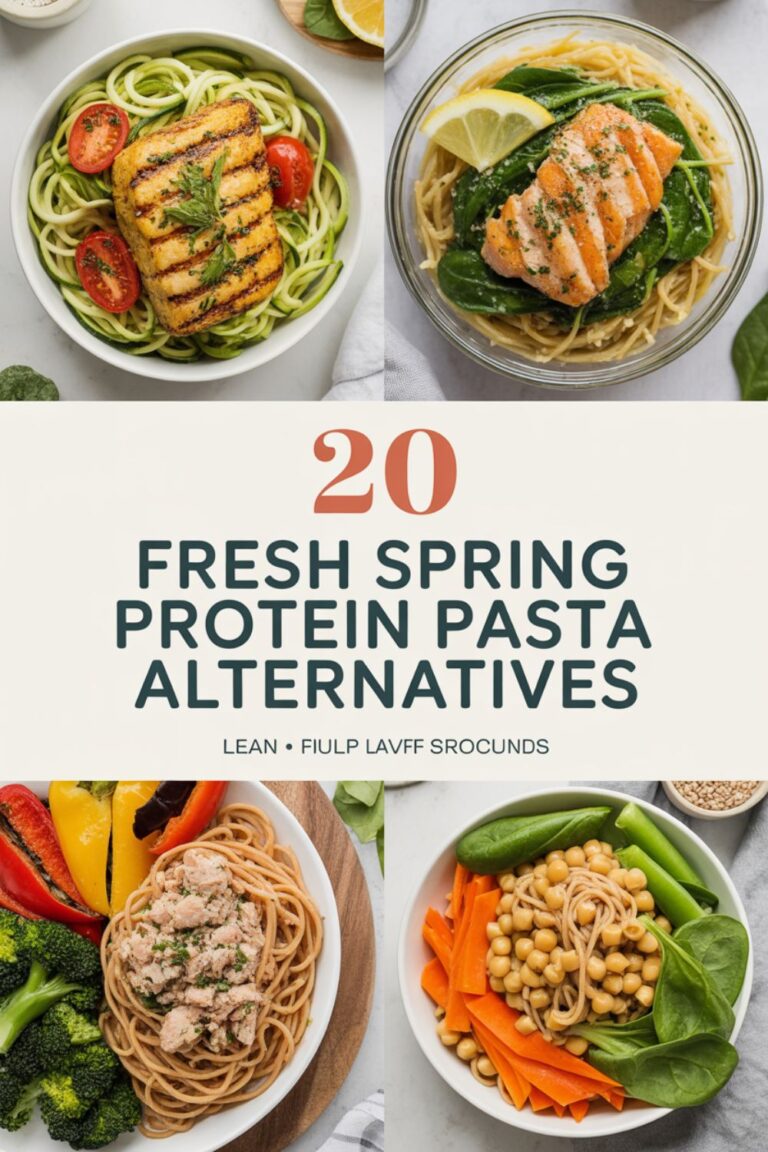
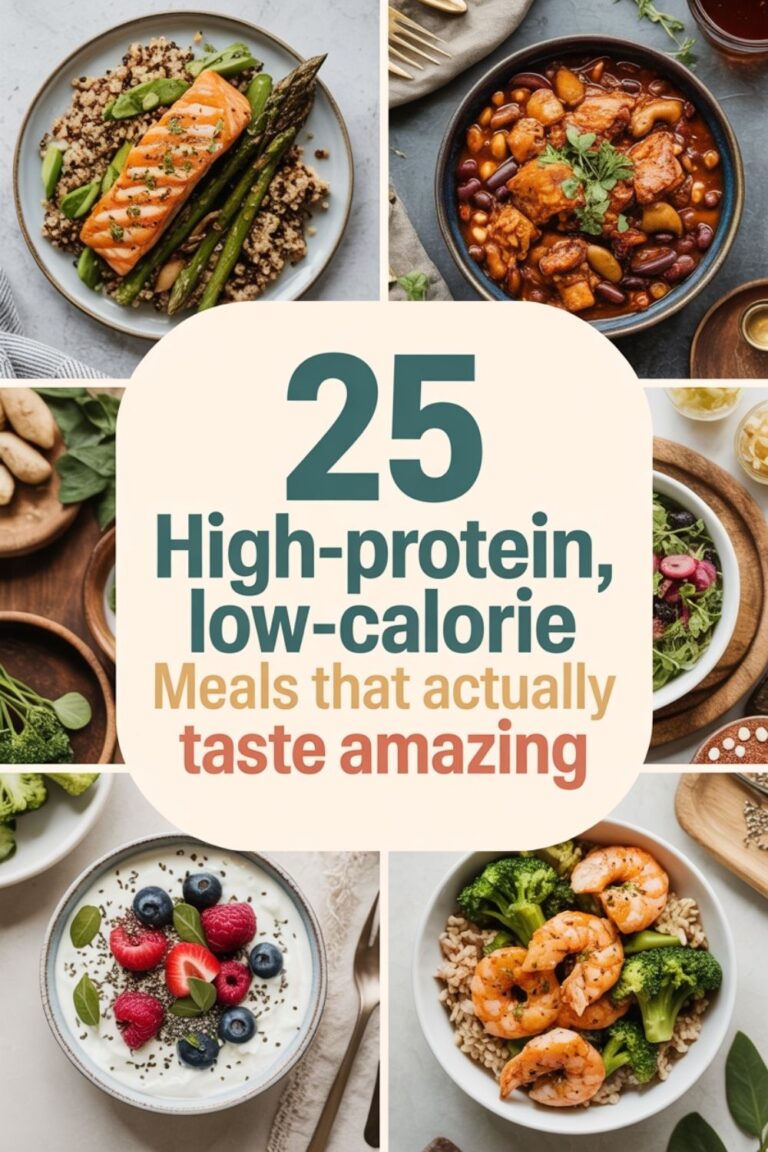
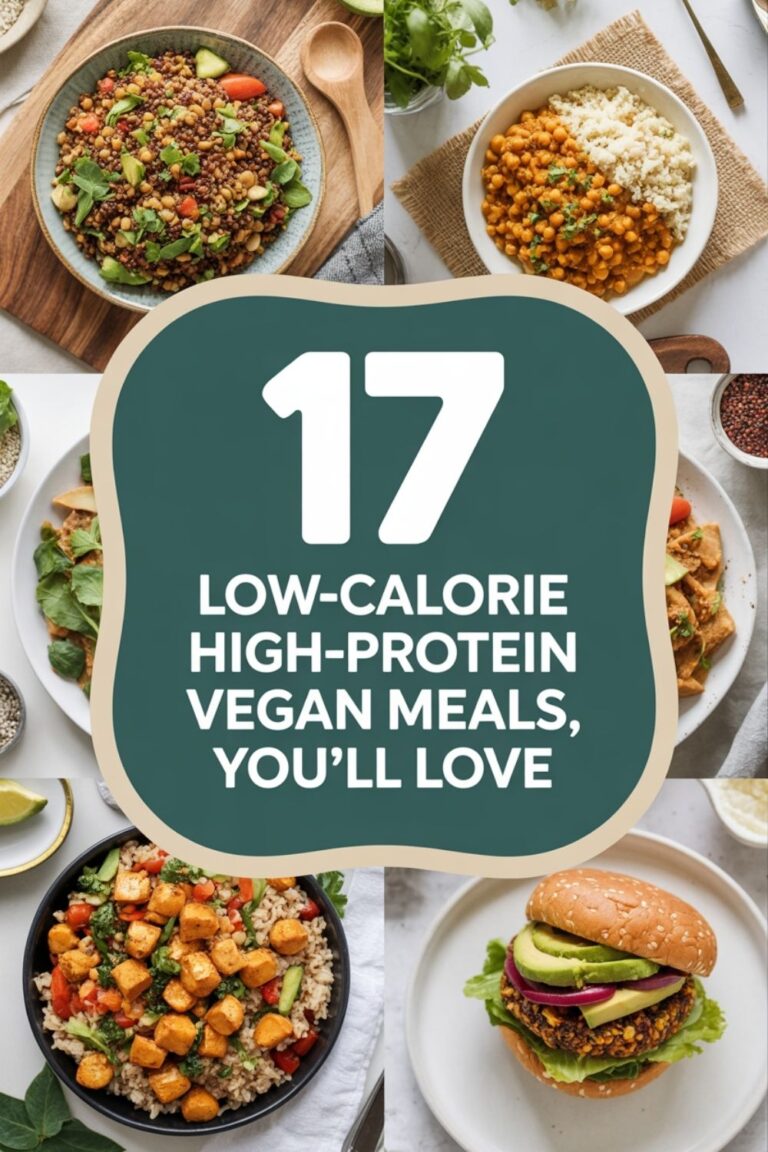
Crumbled tempeh cooked with smoked paprika and cumin alongside seasoned black beans, served over chopped romaine with pico de gallo, pickled red onion, and sliced avocado. Tempeh is fermented soy, which means it’s not only a complete protein but also easier on digestion than many other plant proteins. If you want more plant-based bowl ideas that actually taste good, these 25 high-protein low-calorie vegan meals for plant-based diets are worth bookmarking.
Chicken Shawarma Bowl
Shawarma-spiced chicken thighs (cumin, coriander, turmeric, cinnamon, cayenne) served over herbed bulgur or cauliflower rice with roasted red onion, cucumber, fresh parsley, and a tahini-lemon drizzle. Chicken thigh brings more flavor than breast but still keeps calories reasonable when you trim visible fat. This bowl is the crowd-pleaser of the entire collection — even people who claim they don’t care about protein ask for the recipe. Get Full Recipe
Teriyaki Salmon Rice Bowl
Salmon glazed with a lightened homemade teriyaki (reduced-sodium soy sauce, ginger, garlic, a touch of honey, cornstarch) over a small scoop of brown rice and lots of steamed broccoli. The broccoli adds surprising protein on top of fiber and micronutrients. Using a Joseph Joseph non-stick air fryer pan makes the salmon come out with a perfect crust in about 12 minutes flat.
Beet and Lentil Grain Bowl
French green lentils (23g of protein per cup, cooked) over roasted beets and shaved fennel with a lemon-dijon vinaigrette and a generous scoop of thick Greek yogurt on top. The yogurt-lentil combination is the protein engine here. Lentils versus chickpeas as a bowl base comes down to texture preference — lentils are earthier and softer, chickpeas are nuttier with a firmer bite. Both work, but for this particular bowl, lentils win.
Buffalo Chicken Quinoa Bowl
Shredded rotisserie chicken tossed in your favorite hot sauce (Frank’s is the standard for a reason) over quinoa with shredded Brussels sprouts and diced celery, finished with a drizzle of low-fat blue cheese dressing or a dollop of plain Greek yogurt with a squeeze of lemon. This one is a seriously good meal prep candidate. For more batch-cooking ideas that hold up well through the week, 30 low-calorie high-protein meals perfect for meal prep is worth a long look.
Tofu and Roasted Veggie Bowl
Extra-firm tofu (pressed and cubed) roasted at 425°F until golden with broccoli, bell pepper, and snap peas, served over farro or brown rice with a ginger-miso glaze. The key to good tofu is pressing out as much liquid as possible — I use a TofuBud tofu press because it’s oddly satisfying to use and it makes the tofu actually absorb flavor instead of just sitting there being sad. Farro adds more protein than white rice, making it the smarter swap here.
Smoked Salmon and Avocado Breakfast Bowl
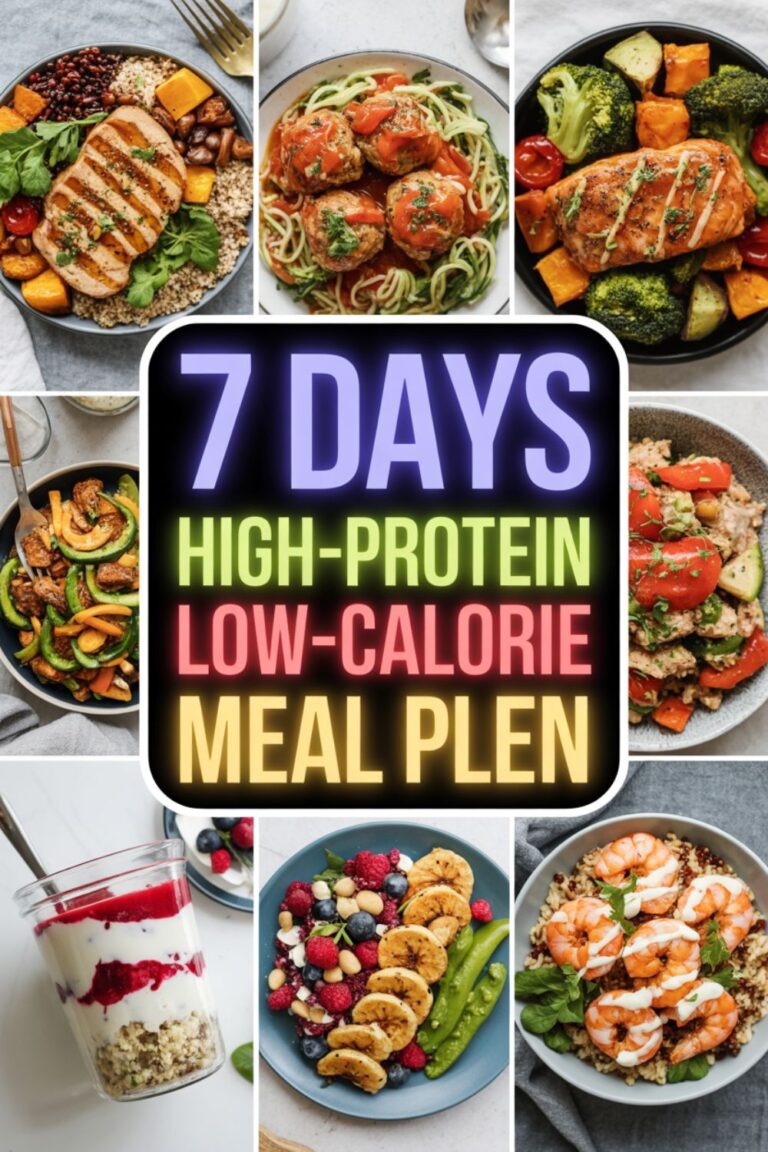
Wild-caught smoked salmon layered over half a sliced avocado and a base of plain Greek yogurt and capers on a bed of arugula, finished with everything bagel seasoning and a squeeze of lemon. This is the kind of breakfast bowl that makes you feel like you have your life together, even if you assembled it in eight minutes while still half asleep. If you want a full week of mornings this sorted, this 7-day protein-packed low-calorie breakfast plan has you covered. Get Full Recipe
Edamame and Chickpea Falafel Bowl
Baked chickpea falafel over a base of shredded romaine, edamame, and cucumber with a lemon-tahini drizzle and pickled turnips for tang. Using store-bought baked falafel (check the freezer section) makes this weeknight-friendly without sacrificing much. The combination of edamame and chickpeas gets you to 35g from plant proteins alone, which genuinely impressed me the first time I ran the numbers.
Korean-Inspired Beef Bulgogi Bowl
Thinly sliced lean beef sirloin marinated in gochujang, garlic, ginger, sesame oil, and a touch of pear puree for natural sweetness, then quickly pan-seared and served over cauliflower rice with kimchi, steamed spinach, and a soft-boiled egg. The egg adds protein while making the bowl look luxurious. If your life is too busy for a 30-minute marinade, this is a great meal to prep the beef for on Sundays. Get Full Recipe
Keep a jar of tahini, a bottle of low-sodium soy sauce, and a block of Greek yogurt stocked at all times. Those three ingredients alone can sauce and finish almost any bowl on this list without derailing your macros.
If bowls are your thing for meal prep specifically, you’ll want to check out 25 high-protein low-calorie bowls for meal prep — lots of overlap in spirit but different recipes that rotate the variety well. And if you want the bowls but in a structured plan format, the 14-day high-protein low-calorie meal prep bowls plan maps it all out for you week by week.
How to Build Any High-Protein Low-Calorie Bowl From Scratch
You don’t need to follow any recipe exactly once you understand the template. Here’s how every bowl above is constructed:
- Base (50–100 cal): Cauliflower rice, leafy greens, zoodles, small portion of whole grain (brown rice, quinoa, farro, bulgur)
- Primary protein (150–200 cal): Chicken breast or thigh, salmon, tuna, shrimp, tempeh, tofu, egg whites, cottage cheese, Greek yogurt
- Secondary protein (50–80 cal): Black beans, edamame, lentils, chickpeas, hemp seeds, additional Greek yogurt
- Vegetables (20–40 cal): As many as you want — roasted, raw, steamed, pickled
- Fat and flavor (50–80 cal): Avocado, tahini, miso-ginger dressing, olive oil, feta
FYI — the secondary protein layer is what separates a bowl that hits 35g from one that stalls at 22g. Most people build their bowl with a single protein and wonder why they’re hungry again. The double-layer approach is the move.
— Mara T., community member
Making These Bowls Work for Meal Prep
The reason bowls win for meal prep is the modularity. You cook components once and mix-and-match all week. On a Sunday, I typically cook a big batch of quinoa or brown rice, roast two sheet pans of vegetables, cook two different proteins (usually chicken and a batch of hard-boiled eggs), and portion out Greek yogurt and cottage cheese into small containers. That’s it. All 17 bowls above can be assembled from those components in under five minutes on a weekday.
Storage matters. Proteins and grains keep well in airtight containers for four to five days. Leafy greens should stay separate and be added fresh. Avocado should only be sliced right before serving — the whole lemon trick helps slightly, but fresh is better. For dressings, keep them in small jars and add them right before you eat so nothing gets soggy.
A good set of Prep Naturals glass meal prep containers (4-pack) is genuinely one of the better investments for anyone serious about batch cooking — they stack well, go from freezer to microwave, and don’t hold onto smells the way plastic does after a few weeks of use.
Double your protein batch every time you cook. The extra ten minutes now saves you 30 minutes on three future nights. Prep proteins Sunday, thank yourself Thursday.
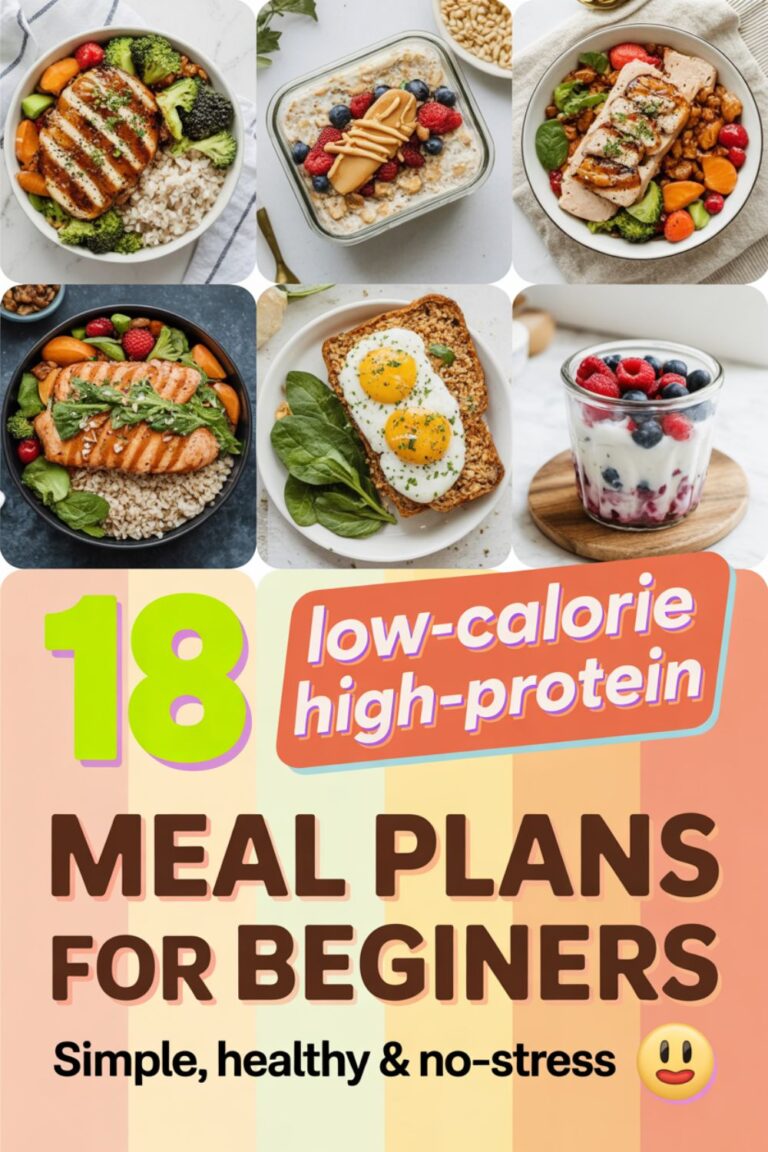
Speaking of making prep more efficient — if you love the idea of cooking once for a whole week, the weekly high-protein low-calorie meal prep guide is a great companion to this article. And if you’re newer to this whole approach, 18 low-calorie high-protein meal plans for beginners starts slower and builds up the routine without being overwhelming.
Meal Prep Essentials for These Bowls
Here’s what actually lives in my kitchen and gets used constantly for bowls like these. No fluff — just the things that genuinely make a difference.
Physical Tools Worth Having
Digital Resources That Actually Help
Ingredient Swaps That Keep Protein High Without Blowing Calories
A few targeted swaps make a meaningful difference in the macros of these bowls. Worth knowing if you’re going to riff on the recipes:
- Greek yogurt instead of sour cream or mayo: Saves 60–120 calories per serving while adding 15–20g of protein. The flavor is slightly tangier but holds up well in dressings and as a topping.
- Cottage cheese blended smooth instead of ricotta: More protein per calorie, creamier when blended, and almost indistinguishable in texture once it’s been processed.
- Tempeh instead of ground beef: Nearly equivalent protein, dramatically lower saturated fat, and it absorbs marinades beautifully.
- Peanut butter vs almond butter in dressings: Peanut butter is higher in protein and usually cheaper; almond butter is slightly higher in vitamin E and calcium. For savory bowl dressings, peanut butter’s earthier flavor usually wins — for sweeter or fruitier bowls, almond butter plays better.
- Cauliflower rice instead of white rice: Drops the calorie base from 200 calories per cup to about 25. Use half-and-half if the texture is too light for you at first.
- Edamame instead of corn: Edamame contributes 17g of protein per cup; corn contributes about 5g. Both work for texture and sweetness, but the protein difference is significant.
— Daniel R., via community feedback
If you want more ideas in the same macro range but in a different format, these 20 low-calorie high-protein salad recipes for quick lunches use a lot of the same ingredients and principles but in a more traditional salad form. And for those nights when a bowl isn’t quite hitting the comfort food button, 30 high-protein low-calorie comfort food recipes has your back.
Frequently Asked Questions
Can I actually hit 35g of protein in a single bowl without meat?
Yes, but it takes a little more strategic layering. Combining tempeh or tofu with edamame, Greek yogurt, or lentils gets you there. The Black Bean and Tempeh Taco Bowl and the Edamame and Chickpea Falafel Bowl on this list both hit 35g from plant sources alone. The key is stacking at least two plant proteins rather than relying on one.
How long do prepped bowls last in the fridge?
Components stored separately last four to five days easily. Fully assembled bowls (without dressing or avocado) hold well for two to three days. If you’re going to pre-assemble, keep the leafy greens, avocado, and any wet dressings separate and add them right before eating. Proteins and grains reheat well together; leafy greens do not.
Are these bowls good for weight loss?
Yes, if they fit within your overall daily calorie target. The high protein content supports fat loss specifically by preserving lean muscle mass while you’re eating in a calorie deficit — which matters for how your body looks and how your metabolism holds up over time. These bowls are not magic; they work because they’re filling, nutritious, and built around foods that don’t spike insulin dramatically.
Can I freeze these bowls for later?
Grain-based bowls with cooked protein freeze very well. Salmon, chicken, turkey, tempeh, lentils, and quinoa all freeze and reheat without major texture issues. Skip the avocado, fresh greens, and yogurt toppings before freezing — add those fresh when you eat. The Korean Beef Bulgogi and Chicken Shawarma bowls in particular freeze exceptionally well.
What’s the best protein source for low-calorie bowls?
It depends on your preferences, but shrimp, egg whites, and chicken breast consistently give the highest protein per calorie ratio. For plant-based, tempeh and edamame are the most efficient. Greek yogurt is the stealth MVP for adding 15–20g of protein to almost anything without significantly changing the flavor profile of a bowl.
The Takeaway
Thirty-five grams of protein in a low-calorie bowl is not a nutrition miracle or a marketing trick — it’s just good ingredient selection and smart layering. Once you internalize the three-part framework (lean protein base, secondary plant protein layer, vegetables and a flavor-carrying fat), you can build a high-protein bowl out of almost anything in your fridge.
The 17 bowls in this collection cover every meal of the day, every major dietary preference, and every skill level from “I have 8 minutes” to “I’ll actually marinate something.” Start with whichever one sounds good tonight, build the habit, and before long you won’t need a recipe at all — you’ll just know how to build a bowl that actually does its job.
Your macros don’t have to come from sad food. These bowls are proof of that.
30-Day High-Protein
Low-Calorie Meal Plan
Every breakfast, lunch, dinner & snack — all 30 days fully mapped out. Just follow the plan.
- ✓50+ complete recipes with ingredients & step-by-step instructions
- ✓4-week day-by-day plans — every meal for all 30 days
- ✓4 weekly shopping lists organised by store section
- ✓Printable habit & progress tracker — 30 full days
- ✓100g+ protein per day — scientifically optimised macros
Instant PDF · Print at home
Results guaranteed with consistency