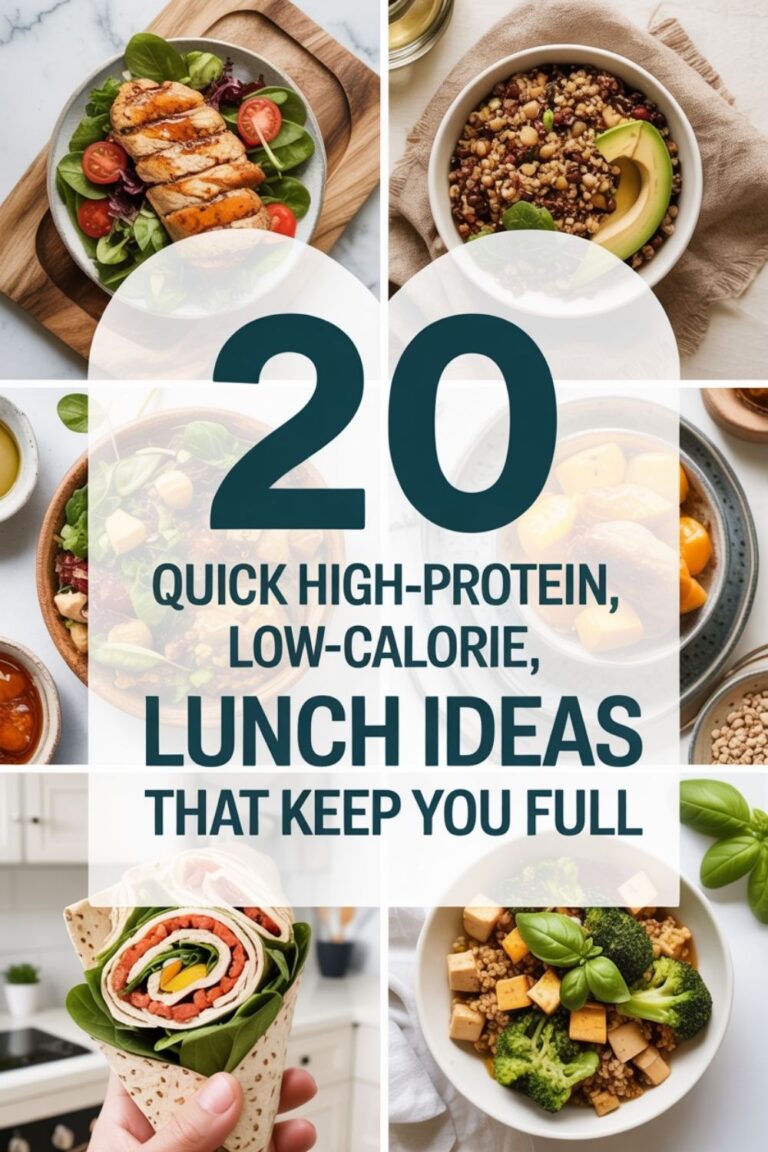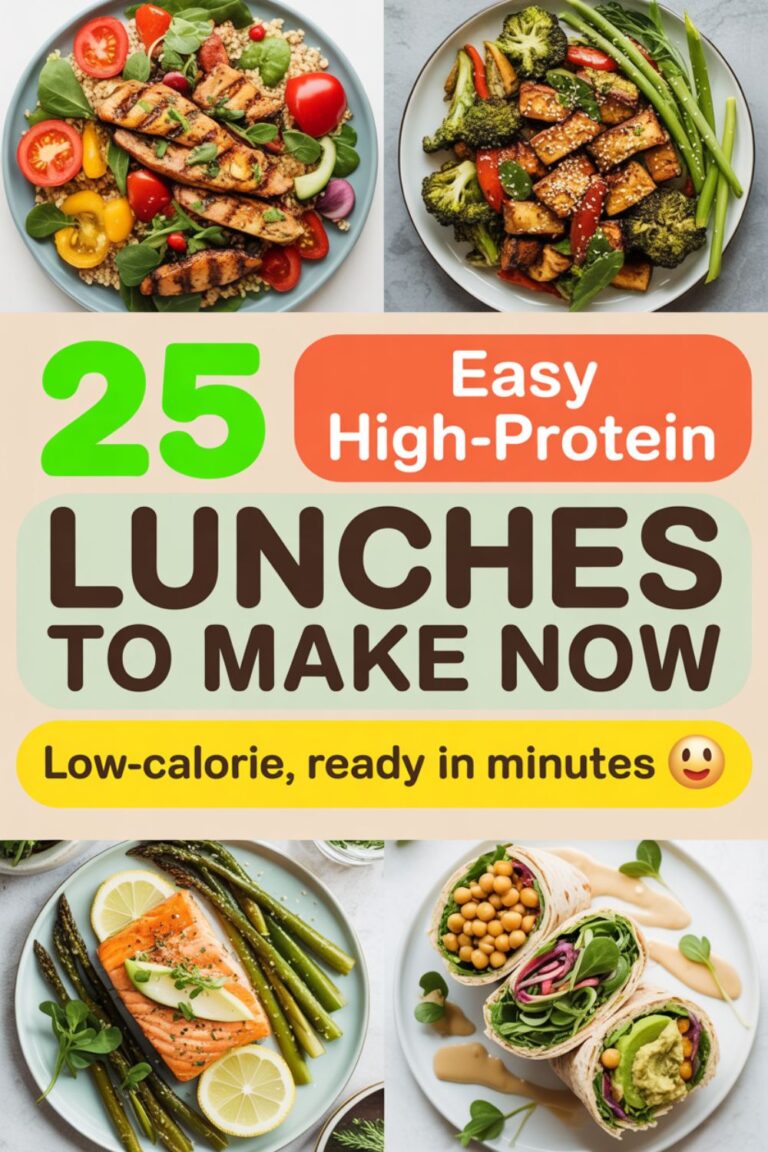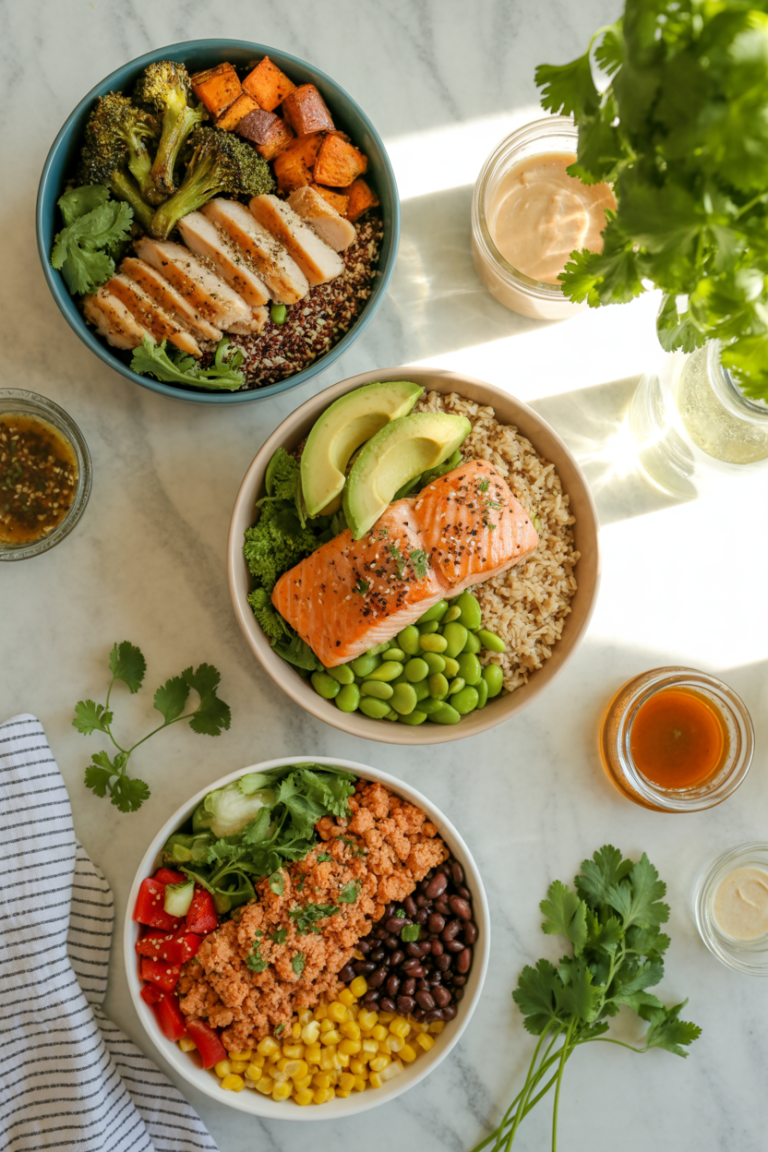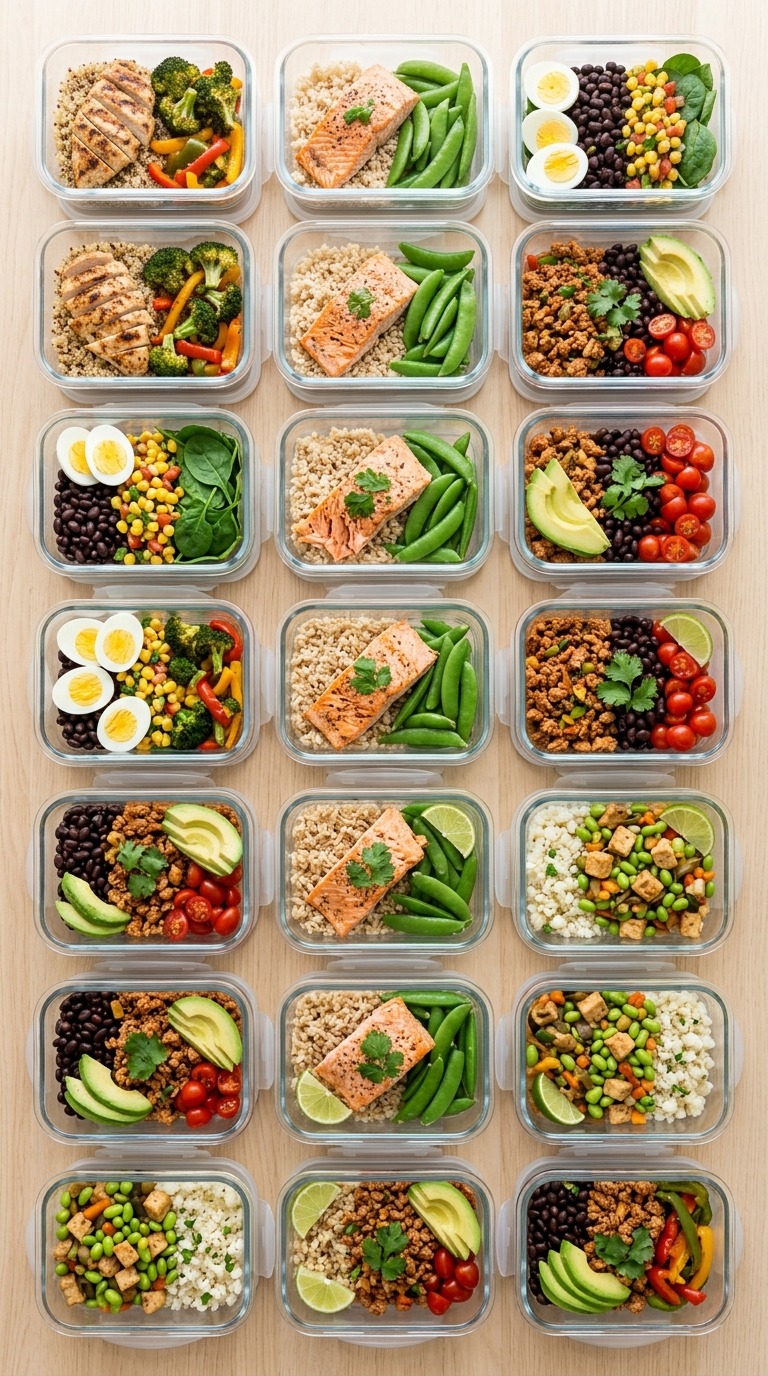
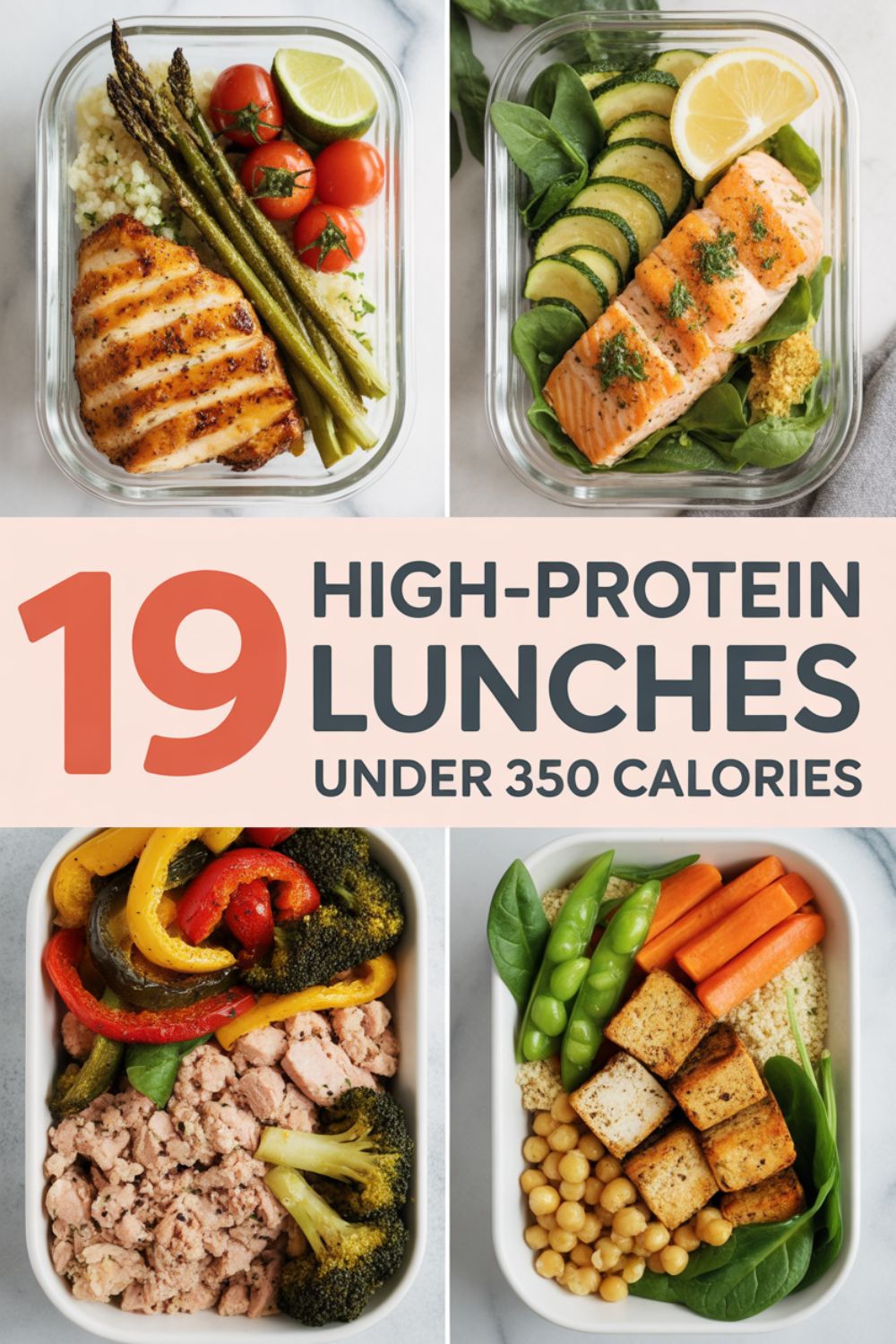
19 High-Protein Lunches Under 350 Calories
Filling, flavorful, and ready in under 30 minutes. These are the lunches that actually keep you satisfied until dinner.
Let me be honest with you: most “low-calorie lunch” lists on the internet are garbage. You open them expecting something satisfying and land on a sad pile of iceberg lettuce and a sad drizzle of balsamic. Hard pass. What you actually want — what anyone with a functioning metabolism and the faintest hint of self-respect wants — is lunch that fills you up, tastes genuinely good, and doesn’t require you to block off your entire Sunday afternoon to prepare it.
That’s exactly what this list is. These 19 high-protein lunches all clock in under 350 calories and deliver at least 25 grams of protein per serving. We’re talking real meals here: hearty bowls, quick wraps, satisfying salads, and a few things that feel like a treat even when they’re not. If you’ve been stuck eating the same sad desk lunch on repeat, this one’s for you.
And yes — according to research on high-protein eating from Healthline, bumping up your protein intake helps curb hunger hormones, supports muscle retention during weight loss, and can actually boost your resting metabolic rate. So you’re not just eating less — you’re eating smarter. There’s a difference.
Why the 350-Calorie Mark Actually Makes Sense
There’s nothing magical about 350 calories — but it is a practical sweet spot for a midday meal when you’re eating around 1,600 to 2,000 calories a day. It leaves you enough room for a solid breakfast, a couple of snacks, and a proper dinner without having to do calculus every time you sit down to eat. The key, though, is making those 350 calories count by packing them with protein.
Protein is the one macronutrient that genuinely earns its keep at every meal. It takes more energy to digest than carbs or fat (this is called the thermic effect of food), it keeps you fuller longer by suppressing ghrelin — your hunger hormone — and it protects lean muscle mass when you’re in a calorie deficit. In plain English: high-protein, lower-calorie meals help you lose fat without losing the good stuff. That’s the whole point.
If you want the full breakdown of how to structure protein across your day, the clinical research on high-protein diet mechanisms from PMC is genuinely fascinating reading — it goes deep into how protein affects satiety hormones and metabolic rate. Or, you know, you could just make these recipes. Either works.
Prep your proteins on Sunday — grill a batch of chicken breasts, hard-boil a dozen eggs, and cook a pot of lentils. With those three things in your fridge, every lunch on this list comes together in under 10 minutes. Thank yourself Monday through Friday.
The 19 Best High-Protein Lunches Under 350 Calories
Let’s get into it. These are organized loosely by style so you can find what you’re in the mood for quickly. Each one includes the rough macros so you know what you’re working with.
Greek Chicken Lettuce Wraps
Shredded rotisserie chicken tossed with cucumber, red onion, kalamata olives, and a squeeze of lemon, wrapped in crispy romaine leaves. Tzatziki on the side if you’re feeling fancy.
Spicy Tuna Rice Bowl
Canned tuna — the unsung hero of the protein world — mixed with sriracha mayo (a small amount goes far), served over a small scoop of brown rice with avocado slices and sesame seeds.
Cottage Cheese & Veggie Power Bowl
Low-fat cottage cheese topped with cherry tomatoes, cucumber, everything bagel seasoning, and a drizzle of olive oil. Sounds basic. Tastes unreasonably good. High protein, zero cooking required.
Turkey & Hummus Collard Green Wrap
Collard greens as the wrap instead of a tortilla cuts carbs dramatically while adding folate. Layer with lean turkey breast, a thick smear of hummus, roasted red peppers, and shredded carrots.
Edamame & Quinoa Salad
Quinoa brings complete protein to the plant-based party — one of the few grains that does. Toss with shelled edamame, shredded red cabbage, mandarin oranges, and a ginger-sesame dressing. Meal preps beautifully.
Egg White & Veggie Frittata Cups
Baked in a muffin tin with spinach, mushrooms, and diced turkey bacon. Make six on Sunday, eat them cold or reheated all week. The nonstick silicone muffin tray I use means zero sticking and zero parchment paper drama.
Loving the wrap and bowl direction so far? Here are a few more collections worth bookmarking while you’re at it:
- Explore the full 12 low-calorie high-protein wraps for quick lunches — all under 30 minutes
- Check out these 20 low-calorie high-protein salad recipes for quick lunches if salads are more your vibe
- Or go full meal prep mode with these high-protein low-calorie bowls you can prep in under 20 minutes
Lemon Herb Grilled Shrimp Bowl
Shrimp is stupidly high in protein for its calorie count — roughly 20 grams per 100 calories. Grill with lemon, garlic, and fresh herbs, then serve over cauliflower rice with a handful of arugula.
Black Bean & Salsa Verde Taco Bowl
A fully plant-based option that doesn’t feel like a compromise. Black beans, lime-seasoned brown rice, corn, pickled jalapeños, a dollop of nonfat Greek yogurt instead of sour cream. Satisfying and genuinely tasty.
Smashed White Bean & Turkey Sandwich
Smashed white beans with lemon and garlic make a creamy, protein-packed spread on whole grain bread. Layer with turkey breast, sliced tomato, and baby spinach. Better than most café sandwiches at a fraction of the calories.
Salmon & Cucumber Dill Salad
Canned or pouch salmon works perfectly here. Mix with diced cucumber, fresh dill, a spoonful of capers, and a light Greek yogurt dressing. Serve over mixed greens. Omega-3s, protein, done.
Chicken & Broccoli Stir-Fry Bowl
Lean chicken breast, broccoli florets, snap peas, a light soy-ginger sauce, and a small scoop of brown rice. This one genuinely tastes like takeout, which makes it a dangerous recipe to know exists. FYI, you can batch cook the chicken in an electric wok or deep skillet and it reheats perfectly.
Lentil & Roasted Veggie Salad
Green or puy lentils with roasted zucchini, bell peppers, and red onion, dressed with a dijon-herb vinaigrette. Lentils are a plant-based protein powerhouse — more protein per calorie than most grains and loaded with fiber to keep you full.
Swap Greek yogurt for mayo or sour cream in any of these recipes. You lose almost zero flavor but cut calories significantly while adding a solid protein boost. It works in tuna salad, dressings, dips, and wraps. This single swap has changed so many of my lunches.
I started making these bowls on Sunday for the week ahead, mostly the shrimp bowl and the lentil salad. By week four I had dropped almost 8 pounds and stopped craving the vending machine at 2pm. The protein makes such a difference — I’m actually full at lunch for the first time in years.
— Maya K., community member & full-time nurse
Egg Salad Stuffed Avocado
Hard-boiled eggs mashed with Greek yogurt instead of mayo, dijon, celery, and scallions, piled into the pit of a halved avocado. The healthy fats from the avocado and the protein from the eggs make this one the most satisfying quick lunch I know.
Miso Tofu & Bok Choy Bowl
Extra-firm tofu marinated in white miso, rice vinegar, and sesame oil, pan-seared until golden, served with steamed bok choy over brown rice. This is the plant-based lunch that converts skeptics. The cast iron grill pan is what makes that sear happen — no excuses.
Turkey Taco Lettuce Cups
Ground turkey seasoned with cumin, chili powder, and smoked paprika, served in butter lettuce cups with pico de gallo, a small handful of shredded cheese, and a squeeze of lime. Taco Tuesday, every day.
Chickpea Smash Flatbread
Smashed and spiced chickpeas spread on a whole wheat flatbread with roasted red pepper strips, fresh herbs, and a light crumble of feta. Think of it as the Mediterranean cousin of avocado toast, but with significantly more protein and fewer people judging you for eating it.
Asian Chicken Slaw Salad
Shredded rotisserie chicken over purple cabbage slaw with mandarin oranges, edamame, and a sesame-ginger dressing. Crunchy, bright, and refreshing. IMO this is the best “it-doesn’t-feel-like-diet-food” lunch on the entire list.
Zucchini Noodle Pesto Bowl with Grilled Chicken
Spiralized zucchini with homemade or store-bought light pesto, cherry tomatoes, and sliced grilled chicken. A handheld spiralizer makes prep so fast it’s almost annoying — in a good way. Use a small spoonful of pesto; it’s calorie-dense but completely worth it.
Warm White Bean & Kale Soup
A simple, comforting soup with white beans, kale, garlic, diced tomatoes, and chicken broth. It feels like the kind of lunch your grandmother made you, except you know exactly what’s in it and it has 25 grams of protein. Stores brilliantly for five days in the fridge — use a set of leak-proof glass meal prep containers and this practically transports itself.
If soups and bowls are calling your name, you’ll want to bookmark these too:
- 12 low-calorie high-protein soup recipes — warm, filling, and batch-cook friendly
- These 25 high-protein low-calorie bowls for meal prep are basically a complete roadmap
- And if you want something effortlessly hands-off, the 15 high-protein slow cooker meals are genuinely game-changing
Meal Prep Essentials for These Recipes
Things I actually use in my kitchen — not a sponsored list, just what makes these lunches actually happen on a Tuesday morning.
Physical Kitchen Tools
Leak-proof, oven-safe, and dishwasher-friendly. These are the containers I store every single bowl and salad in. They stack neatly and don’t stain from tomato sauces — which, if you’ve ever owned plastic containers, you know is a miracle.
Stop guessing whether your chicken is cooked through. This little gadget costs less than a lunch and makes batch-cooking proteins stress-free. Clip-in probe, reads in under 3 seconds.
Makes zucchini noodles in under two minutes. Small, easy to clean, and takes up almost no drawer space. The one piece of kitchen equipment that earns its space every single time.
Digital Resources
A full system for prepping a week of lunches in under 2 hours on Sunday. Covers proteins, grains, dressings, and storage — with a printable shopping list built in.
Two weeks of mapped-out lunches with macros pre-calculated. Perfect if you want to stop decision-fatigue at 11:45am and just know what you’re making. Seriously, this one plan alone changed how I approach midweek lunches.
A full month of structured, calorie-controlled eating with variety built in. Great if you want to build a real habit rather than just nail one good week and then slide back into sad desk snacks.
How to Make These Work for Meal Prep
Here’s the honest truth about meal prepping lunches: the recipes themselves are the easy part. The part that actually trips people up is the system. You need to decide what to prep, prep it in the right order so you’re not standing around for two hours, and store it in a way that means lunch on Thursday tastes as good as it did on Monday.
The simplest approach is what I call the component method. Instead of making five identical complete meals, you prep the components separately: one batch of grains (quinoa or brown rice), two protein sources (grilled chicken + hard-boiled eggs, for example), and a collection of vegetables — some raw, some roasted. Then every day you assemble something slightly different. It keeps things interesting and the whole prep session only takes about 90 minutes. For a full breakdown of this approach, the high-protein meal prep ideas for athletes is packed with practical strategies even if you’re not an athlete.
Dressings and sauces are also worth prepping ahead. Most of these lunches use a simple vinaigrette, a tahini drizzle, or a yogurt-based dressing that takes five minutes to make and keeps for the full week. A small squeeze bottle set for storing dressings is one of those underrated kitchen moves — you can drizzle precisely instead of dumping half a jar on your carefully prepared salad.
Keep your dressings and sauces separate from your greens and grains until you’re ready to eat. Even the sturdiest salad greens get soggy after 24 hours when dressed. If you’re packing lunch to go, a small dressing container that clips to your meal prep box solves this completely.
Protein Sources Worth Rotating Through
One reason people get bored with high-protein eating is that they default to chicken breast every single day. Chicken is great, but it’s not the only option — and rotating your protein sources keeps meals interesting while also broadening your nutrient profile. Ever wondered what you’re missing by only eating one kind of protein?
Here’s a quick list of the protein heroes featured across these 19 recipes, with their approximate protein-per-calorie ratio:
- Shrimp — roughly 20g protein per 100 calories; the most protein-dense food on this list
- Canned tuna or salmon — 22–25g per 100 calories; shelf-stable, cheap, and genuinely delicious when treated right
- Chicken breast — 18–20g per 100 calories; lean, versatile, and the reliable workhorse
- Egg whites & whole eggs — 12–17g per 100 calories; add whole eggs for the yolk’s fat-soluble vitamins
- Lentils & chickpeas — 9g per 100 calories for lentils; less per calorie than animal proteins but packed with fiber and micronutrients
- Tofu (extra-firm) — 11g per 100 calories; excellent when marinated and properly seared
- Cottage cheese (low-fat) — 12g per 100 calories; wildly underrated and making a very deserved comeback
A quick note on plant proteins: they’re not “lesser” options. Chickpeas and lentils bring fiber that animal proteins don’t, and eating a mix of both throughout the week supports a more diverse gut microbiome. If you want to go deeper into plant-based protein eating, the 25 high-protein vegan meals for plant-based diets is a comprehensive starting point.
While we’re talking about proteins and plant-based options, these collections pair really well with this one:
- 25 low-calorie high-protein vegetarian recipes that actually taste good
- 20 high-protein low-calorie chicken recipes that actually taste good
I’ve tried every meal prep trend and what finally stuck was the component method combined with a few of these lunch bowls. I made the shrimp bowl, the lentil salad, and the chicken slaw three times a week for a month. Lost 11 pounds and barely noticed I was eating fewer calories. It’s all in the protein keeping you full.
— Daniel R., community member & software engineer
Keeping the Calorie Count Honest
Here’s something nobody talks about enough: the calories in these recipes can creep up fast if you’re not paying attention to a few specific things. It’s not the chicken or the broccoli that gets you — it’s the extras. A generous pour of olive oil, a heaped tablespoon of almond butter, or a heavy hand with the cheese can quietly add 100–200 calories to what was supposed to be a 300-calorie lunch.
A kitchen scale costs about the same as one takeout lunch and genuinely changes how accurately you can track your food without obsessing over every bite. I use a compact digital food scale that lives on my counter and takes five seconds to tare and weigh. Not glamorous, but wildly effective. Once you’ve used one for a few weeks, you develop a much better intuitive sense of portion sizes anyway — which is the long-term goal.
The other thing worth watching is dressings and sauces. Most of these recipes call for light amounts intentionally, but if you’re used to dressing your salads generously, it’s worth measuring at least once to know what your “eyeballed amount” actually looks like in grams.
Frequently Asked Questions
How do I hit 25g of protein at lunch without eating meat?
Completely doable. Combine two plant-based protein sources at the same meal — for example, lentils plus a scoop of edamame, or tofu plus chickpeas. Greek yogurt in your dressing adds a quiet protein boost without changing the flavor profile much. The edamame and quinoa salad (recipe 5) hits 26g without a single piece of meat.
Can I eat these lunches if I’m not trying to lose weight?
Absolutely. High-protein, moderate-calorie lunches benefit anyone trying to manage energy levels, support muscle maintenance, or just feel less sluggish after eating. You can easily add more healthy fats or complex carbs alongside these meals to bring the calories up to whatever your target is.
What’s the easiest recipe on this list for a complete beginner?
The cottage cheese veggie bowl (recipe 3) requires zero cooking — just assembly. The spicy tuna rice bowl (recipe 2) is also extremely beginner-friendly and uses ingredients that most people already have. Both are ready in under 10 minutes with no special equipment.
How long do these lunches keep in the fridge?
Most of these meals keep well for 3 to 4 days when stored properly in airtight containers. The exception is avocado-based options like the egg salad stuffed avocado — those are best made fresh or same-day. Soups and grain bowls are the most fridge-stable and often taste better on day two after the flavors have melded.
Is 350 calories enough for lunch, or will I be hungry again by 3pm?
This is where the protein content makes all the difference. A 350-calorie lunch built around 30+ grams of protein keeps most people satisfied for 4 to 5 hours — far longer than a 350-calorie lunch heavy in refined carbs. If you find yourself hungry earlier, try adding a high-protein snack like a hard-boiled egg or a small serving from the snacks that fuel fat loss list.
The Bottom Line
Here’s what it comes down to: eating less doesn’t have to mean feeling deprived, and high-protein lunches under 350 calories don’t have to be boring. These 19 recipes prove that you can hit your calorie targets while eating food that’s genuinely satisfying — meals you’d actually look forward to making again.
The protein is doing the heavy lifting here. It keeps you full, supports your metabolism, and helps your body hold onto muscle even in a calorie deficit. The cooking time is short, the ingredients are accessible, and most of these meals store beautifully for days of effortless lunch prep.
Pick two or three recipes from this list to start with this week. Make a double batch. Notice how much easier it is to stay on track when you’re not starving by 2pm. That’s the real win — not the calorie count, but the fact that eating well finally feels sustainable.
30-Day High-Protein
Low-Calorie Meal Plan
Every breakfast, lunch, dinner & snack — all 30 days fully mapped out. Just follow the plan.
- ✓50+ complete recipes with ingredients & step-by-step instructions
- ✓4-week day-by-day plans — every meal for all 30 days
- ✓4 weekly shopping lists organised by store section
- ✓Printable habit & progress tracker — 30 full days
- ✓100g+ protein per day — scientifically optimised macros
Instant PDF · Print at home
Results guaranteed with consistency