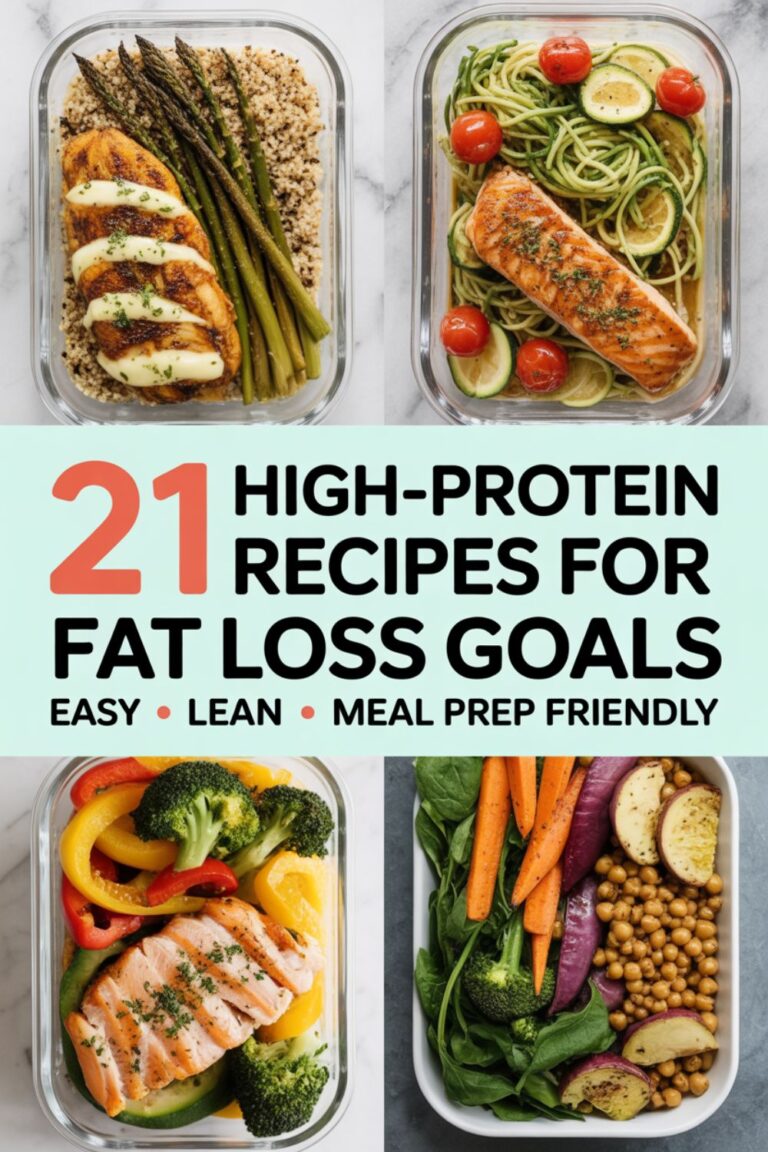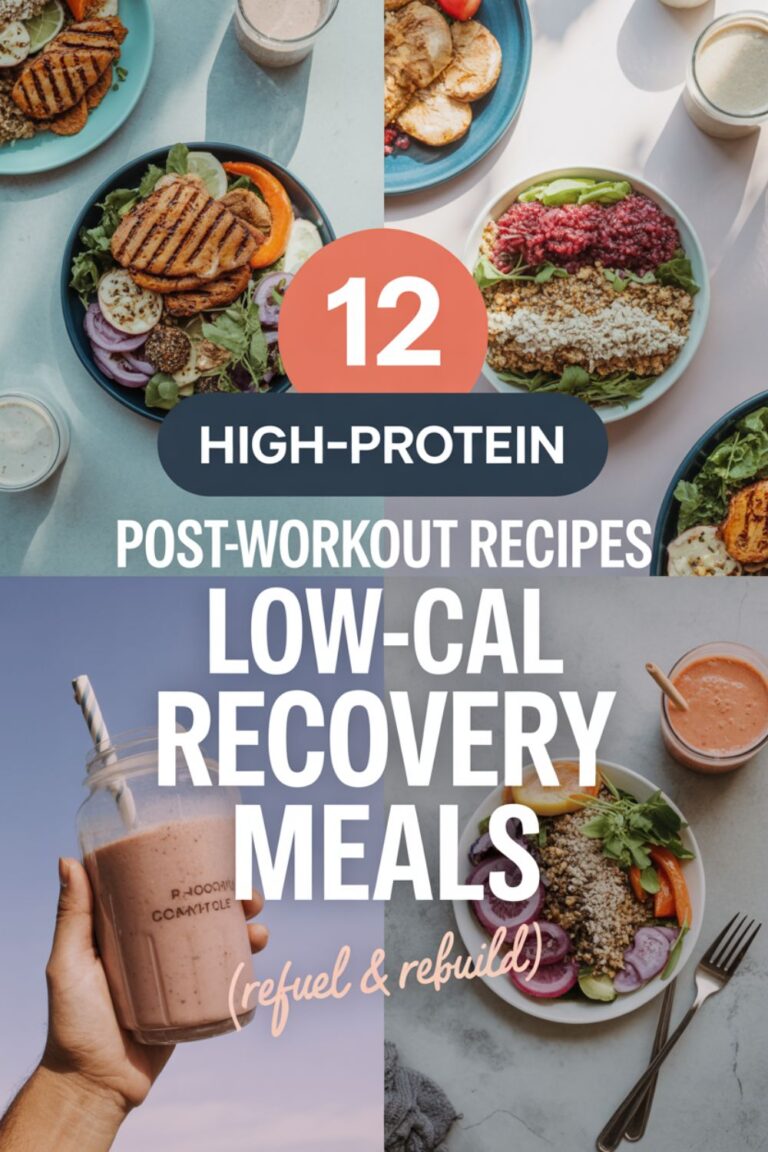
21 High-Protein Brunch Recipes Under 400 Calories
Because brunch should fill you up, not slow you down — and yes, you can have both flavor and macros in the same plate.
Let’s be honest — most brunch menus are basically a slow-motion sugar crash dressed up with fresh flowers and a side of regret. Stack of syrupy pancakes? Buttery croissants? A mimosa the size of your head? Fun in the moment, sure. But by 2pm you’re face-down on the couch wondering where the day went.
That’s exactly why I put together this list of 21 high-protein brunch recipes that all clock in under 400 calories. These are the kinds of dishes that actually keep you going — meals that hit somewhere between 20 and 35 grams of protein per serving, taste genuinely good, and don’t require a culinary degree to pull off. Whether you’re hosting a lazy weekend spread, meal prepping Sunday morning for the week ahead, or just trying to make better choices without suffering for it, this list has you covered.
And yes, there’s something here for everyone — egg lovers, cottage cheese converts, smoothie bowl fans, and the people who refuse to give up their pancakes (respect). Let’s get into it.
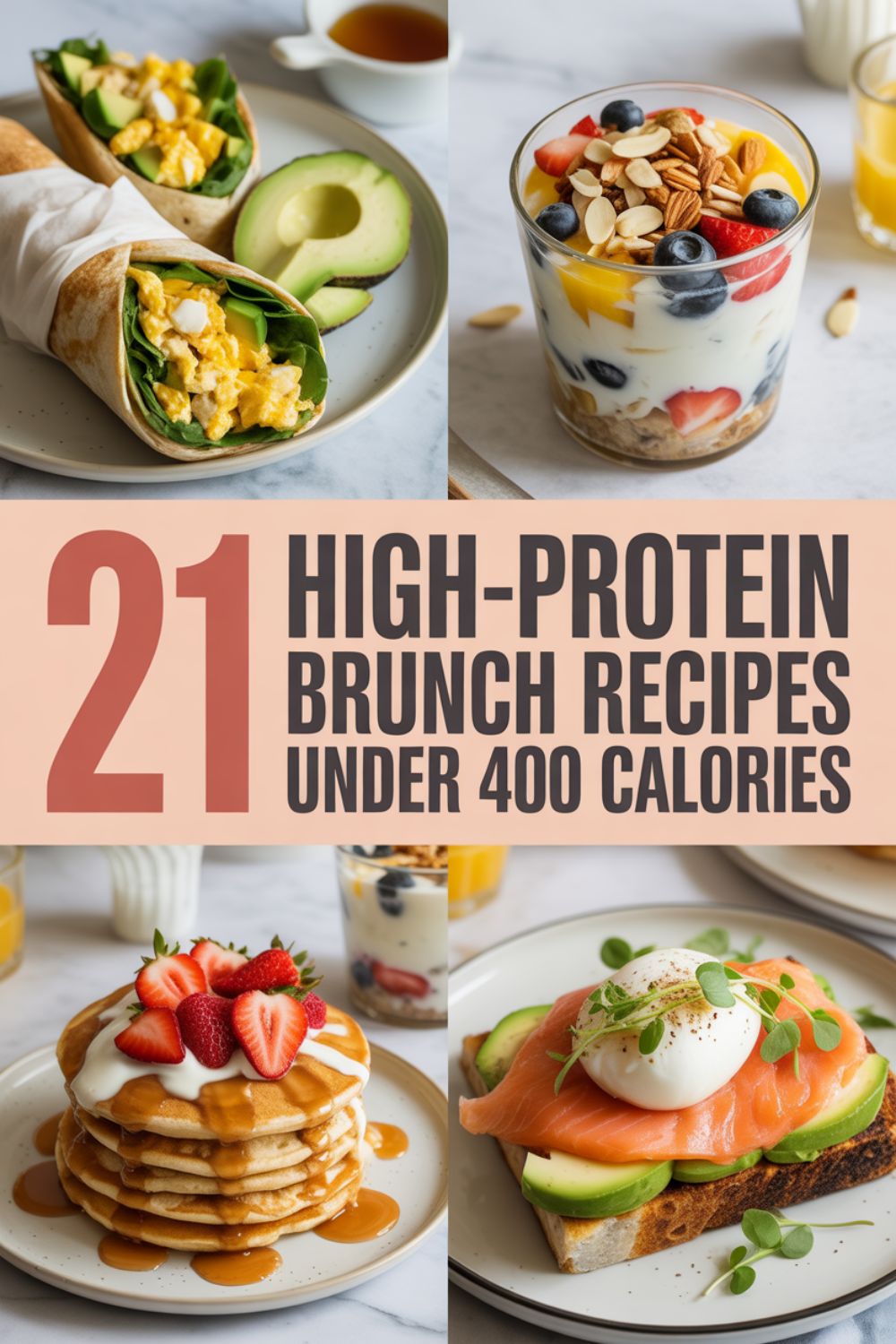
Why High-Protein Brunch Is Actually Worth the Effort
You already know protein is important. But there’s a difference between knowing it and actually feeling the difference when you start eating more of it in the morning. Research published by Healthline shows that a high-protein breakfast can reduce hunger hormones significantly throughout the day, meaning you eat up to 441 fewer calories across the full day when you front-load protein properly. That’s not a small number — that’s basically a whole second meal.
Brunch sits in this sweet spot where you have a little more time than a rushed weekday breakfast, which means you can actually cook something worth eating. Most of these recipes take between 10 and 30 minutes. A few of them you can prep the night before and just assemble in the morning. The payoff — staying full until dinner, maintaining energy levels, and supporting whatever fitness goals you’re working toward — is well worth that extra 15 minutes.
There’s also a solid argument for spreading protein throughout the day rather than loading it all at dinner (which is what most people do). Colorado State University nutrition research notes that Americans tend to eat the bulk of their daily protein at the evening meal, which is actually the least efficient way to use it. Starting brunch with a solid protein hit changes the whole equation.
Aim for at least 20 grams of protein in your brunch. Anything below that and you’re likely to be hunting for snacks within two hours. Most of the recipes on this list hit 22–30g — plenty of runway to get you through the afternoon.
The Egg-Based Classics, Upgraded
Eggs are the undisputed anchor of the high-protein brunch world. Each whole egg packs around 6 grams of protein, and when you start combining them with cottage cheese, lean meats, or Greek yogurt-based sauces, those numbers climb fast. The recipes below are all built on eggs but done in ways that feel a little less like “diet food” and a lot more like something you’d order at a weekend spot.
Spinach and Feta Egg White Frittata
Six egg whites, a generous handful of wilted spinach, crumbled feta, and a sprinkle of fresh dill baked in a cast iron skillet until just set. The feta adds a salty punch that makes this feel indulgent even though it absolutely is not. Get Full Recipe
Smoked Salmon and Cottage Cheese Egg Cups
Pressed into a muffin tin lined with turkey bacon, these egg cups get a scoop of cottage cheese blended in for extra creaminess and protein, then topped with a thin slice of smoked salmon before serving. IMO, this is the one that converts cottage cheese skeptics. Get Full Recipe
Turkish-Style Shakshuka with Chicken Sausage
The base is a spiced tomato-pepper sauce with lean chicken sausage crumbled in, and three whole eggs poached right in the pan. Serve it straight from the skillet with whole grain pita for scooping. It’s dramatic in the best way. Get Full Recipe
These three are reliable, repeatable, and work just as well for a solo Saturday as they do for a group. If you tend to cook for the week, the egg cups specifically are excellent candidates for batch cooking — they reheat beautifully and hold up in the fridge for four days. For more ideas in this direction, the 15 protein-packed breakfasts for busy mornings collection covers similar ground with a few more grab-and-go options mixed in.
Greek Yogurt and Cottage Cheese Builds
If you haven’t fully committed to Greek yogurt as a brunch ingredient yet, this is your intervention. Full-fat Greek yogurt has around 17–20 grams of protein per cup and adds a tangy creaminess to both sweet and savory dishes that nothing else quite replicates. Cottage cheese (the low-sodium, full-fat kind — not the rubbery diet stuff) is its equally impressive cousin at roughly 14 grams per half cup.
Savory Greek Yogurt Bowl with Soft-Boiled Egg and Za’atar
Plain Greek yogurt spread thick on a shallow bowl, drizzled with good olive oil, sprinkled with za’atar and Aleppo pepper, topped with a soft-boiled egg halved lengthwise and a few cherry tomatoes. This is the recipe I make when I want something that looks like I tried without actually trying. Get Full Recipe
Blueberry Lemon Cottage Cheese Pancakes
Blended cottage cheese replaces most of the flour in these pancakes, giving them a fluffy, almost crepe-like texture that regular pancake batter never achieves. Lemon zest and fresh blueberries folded in. Three pancakes per serving, very reasonable. Get Full Recipe
Whipped Ricotta and Berry Protein Parfait
Part-skim ricotta whipped with a scoop of vanilla protein powder, layered with frozen-then-thawed mixed berries and a small handful of low-sugar granola. It tastes like dessert, which is either a feature or a bug depending on your philosophy. Get Full Recipe
Swap regular yogurt for Icelandic skyr in any of these recipes — it has slightly more protein per serving and a thicker consistency that holds up better in bowls. Available at most grocery stores near the Greek yogurt.
On the topic of dairy-free alternatives: if you’re working around lactose intolerance or a plant-based approach, coconut-based Greek-style yogurt has come a long way, though the protein count drops significantly (usually 3–5g vs. 17–20g). Blended silken tofu can bridge the gap in smoothie-style applications. For a full plant-based approach to hitting these protein targets, the 25 high-protein low-calorie vegan meals collection is worth a look.
Smoothie Bowls and Blended Options That Actually Count
Smoothie bowls have a bit of an image problem — they’re often 600+ calories by the time you add every topping known to mankind. But strip them back to the essentials and they’re genuinely powerful protein delivery systems, especially for people who don’t love a heavy morning meal.
Frozen Açaí and Protein Powder Smoothie Bowl
One packet of unsweetened frozen açaí, half a frozen banana, a scoop of unflavored or vanilla protein powder, and enough almond milk to blend thick. Topped with a tablespoon of hemp seeds, a few fresh raspberries, and a small spoon of almond butter. That’s it — don’t overthink it. Get Full Recipe
Green Protein Smoothie Bowl with Edamame Base
Blended frozen edamame is the secret here — it adds a starchy thickness and a serious protein boost that doesn’t read as “beans” in the final product at all. Combined with frozen spinach, half an avocado, and Greek yogurt, this one surprises people every time. Get Full Recipe
For people who want to keep the blended format but expand the repertoire considerably, the 12 low-calorie high-protein smoothies to boost metabolism list has a solid range of options including a few that work well as meal prep. Speaking of which, if you want something to supplement these smoothie bowls as a midday snack, the 20 high-protein low-calorie snacks that fuel fat loss covers that gap nicely.
I started doing three of these brunch recipes on rotation every weekend, and for the first time in years I wasn’t raiding the pantry at 4pm. Ended up down 14 pounds in two months without counting a single thing beyond making sure I hit protein at every meal.
— Marcus T., community memberLean Protein Mains: Turkey, Chicken, and Seafood at Brunch
There’s no rule that says brunch has to be egg-centric. Some of the best high-protein brunch dishes are built around lean meats and seafood — especially when you’re cooking for people who eat eggs every single weekday and genuinely need a change of scenery by the weekend.
Turkey and Sweet Potato Hash with Poached Egg
Ground turkey browned with diced sweet potato, smoked paprika, cumin, and red onion until everything crisps slightly at the edges. One poached egg nested on top. This is the kind of dish that could plausibly appear on a brunch menu at a place with exposed brick walls and eight-dollar coffee. Get Full Recipe
Tuna Avocado Toast on Rye with Pickled Onion
Oil-packed tuna mixed with a small amount of Greek yogurt (not mayo) and lemon juice, piled onto a slice of dense rye toast spread with mashed avocado, then finished with quick-pickled red onion and a pinch of red pepper flakes. The pickled onion makes the whole thing. Get Full Recipe
Shrimp and Cauliflower Rice Breakfast Bowl
Cajun-spiced shrimp pan-seared in about three minutes, served over cauliflower rice sauteed with garlic, corn, and scallions. A lime crema made from Greek yogurt goes on top. It’s technically a breakfast bowl but it eats like a proper meal. Get Full Recipe
Shrimp is genuinely one of the best-kept secrets in the high-protein, low-calorie space — 3 ounces of cooked shrimp delivers about 20 grams of protein for under 90 calories. When you’re building brunch plates around macros, starting with shrimp or white fish gives you a lot of room to add flavor without blowing the calorie budget. For dinner-style protein bowls that use similar builds, check out the 25 high-protein low-calorie dinner bowls.
Prep a batch of cauliflower rice on Sunday and refrigerate it. It reheats in under three minutes and works as a base for at least four of the recipes in this list — the shrimp bowl, the shakshuka, the turkey hash, and honestly most savory egg dishes. One prep, multiple payoffs.
Kitchen Tools That Make These Recipes Easier
A few things I actually use — from the physical to the digital. No fluff, just the stuff that gets used every single week.
10-Inch Cast Iron Skillet
Goes from stovetop to oven for frittatas and shakshuka without extra dishes. The Lodge 10.25-inch cast iron skillet is the one I use — virtually indestructible and under $30.
Glass Meal Prep Containers
For storing prepped egg cups, hash, and smoothie bowl bases. The Glasslock 18-piece container set stacks neatly, doesn’t stain, and is microwave-safe without the weird plastic smell.
Personal Blender
The NutriBullet Pro 900-series is the move for smoothie bowls — it blends frozen fruit thick enough to eat with a spoon when you don’t add too much liquid. One cup, no mess.
7-Day Protein Breakfast Plan
A done-for-you weekly plan with shopping list included. The 7-day protein-packed low-calorie breakfast plan takes all the guesswork out of the week.
Macro Tracking Template
A simple printable spreadsheet for logging protein targets per meal. Pair it with the weekly high-protein meal prep guide for a full planning system.
30-Day Breakfast Challenge
If you want structure and accountability, the 30-day high-protein breakfast challenge is a step-by-step guide through a full month of morning meals.
Grain-Based and Toast Variations Worth Making
Grains at brunch get a bad reputation because most people use them as a vehicle for butter and syrup, which, yes, is delicious but also not the plan here. When paired correctly with protein sources, a base of oats, quinoa, or whole grain toast becomes a legitimately satisfying brunch foundation rather than a blood sugar timebomb.
Savory Protein Oatmeal with Jammy Egg and Everything Seasoning
Oats cooked in chicken broth instead of water, stirred through with a tablespoon of miso paste and a scoop of unflavored protein powder, topped with a six-minute egg and a generous hit of everything bagel seasoning. The miso sounds weird, I know. Trust the process. Get Full Recipe
Quinoa Breakfast Bowl with Poached Egg and Pesto
Quinoa is one of the few plant proteins that’s considered complete (meaning it contains all nine essential amino acids), which makes it a smart grain choice when you’re building protein-forward meals. Here it forms the base of a warm bowl with a poached egg, a drizzle of basil pesto, and halved grape tomatoes. Get Full Recipe
Turkey Avocado Egg White Wrap with Whole Grain Tortilla
Four scrambled egg whites, two thin slices of deli turkey, a quarter of an avocado, fresh salsa, and a squeeze of hot sauce rolled into a whole grain low-carb tortilla. This is the weekday-friendly version — fast enough to not feel like an ordeal. Get Full Recipe
On the peanut butter vs. almond butter debate for toast toppings: both are solid protein additions (roughly 7–8g per two tablespoons), but peanut butter wins on calorie density for protein gained, while almond butter brings more vitamin E and magnesium. Neither is dramatically superior — the one you’ll actually eat consistently is the right choice. For more wrap-based builds at other mealtimes, the 12 low-calorie high-protein wraps for quick lunches is a good follow-on read.
Plant-Based and Vegetarian Brunch Recipes
Here’s where a lot of people assume the protein numbers drop off a cliff. They don’t — but it does require being more intentional about what you combine. The recipes in this section use chickpeas, tofu, tempeh, lentils, and legume-based pastas to hit those 20+ gram targets without leaning on animal products.
Spiced Chickpea and Tomato Brunch Pan
Roasted chickpeas crisped in a pan with cumin, coriander, and smoked paprika, then tossed with blistered cherry tomatoes, roasted red pepper, and a scoop of hummus on the side. Top with nutritional yeast for a savory, cheesy hit without any dairy. Get Full Recipe
Silken Tofu Scramble with Turmeric and Vegetables
Silken tofu crumbled with a fork and cooked with turmeric, garlic, sauteed bell pepper, and spinach. The texture is remarkably close to scrambled eggs, especially when you use black salt (kala namak), which gives it that eggy sulfur note that makes the whole thing surprisingly convincing. Get Full Recipe
Lentil and Roasted Vegetable Frittata (Vegan)
A chickpea flour batter (not eggs) acts as the binding base here, poured over cooked green lentils and roasted zucchini, onion, and sun-dried tomato. It holds together well enough to slice, and unlike most egg-free frittatas, it actually tastes like something you chose to make rather than something you made out of obligation. Get Full Recipe
FYI — if you’re building a fully plant-based brunch spread and need more variety, the 25 high-protein vegan meals for plant-based diets list pairs well with these. And for a structured plan around vegetarian eating, the 7-day high-protein vegetarian meal plan maps out a full week including brunch-style meals.
Higher-Effort Weekend Showstoppers
Sometimes you have a Saturday with nowhere to be and you want to actually cook something. These last four recipes take a bit more time but deliver results that feel genuinely special — the kind of brunch dishes that make people ask you for the recipe.
Smoked Salmon Eggs Benedict with Greek Yogurt Hollandaise
The Greek yogurt hollandaise is the trick here — it mimics the richness of the butter-based original using just Greek yogurt, lemon juice, Dijon, and a small amount of olive oil blended warm. Over a whole grain English muffin, a handful of arugula, two poached eggs, and smoked salmon. It’s close enough to the real thing that you won’t feel like you’re making do. Get Full Recipe
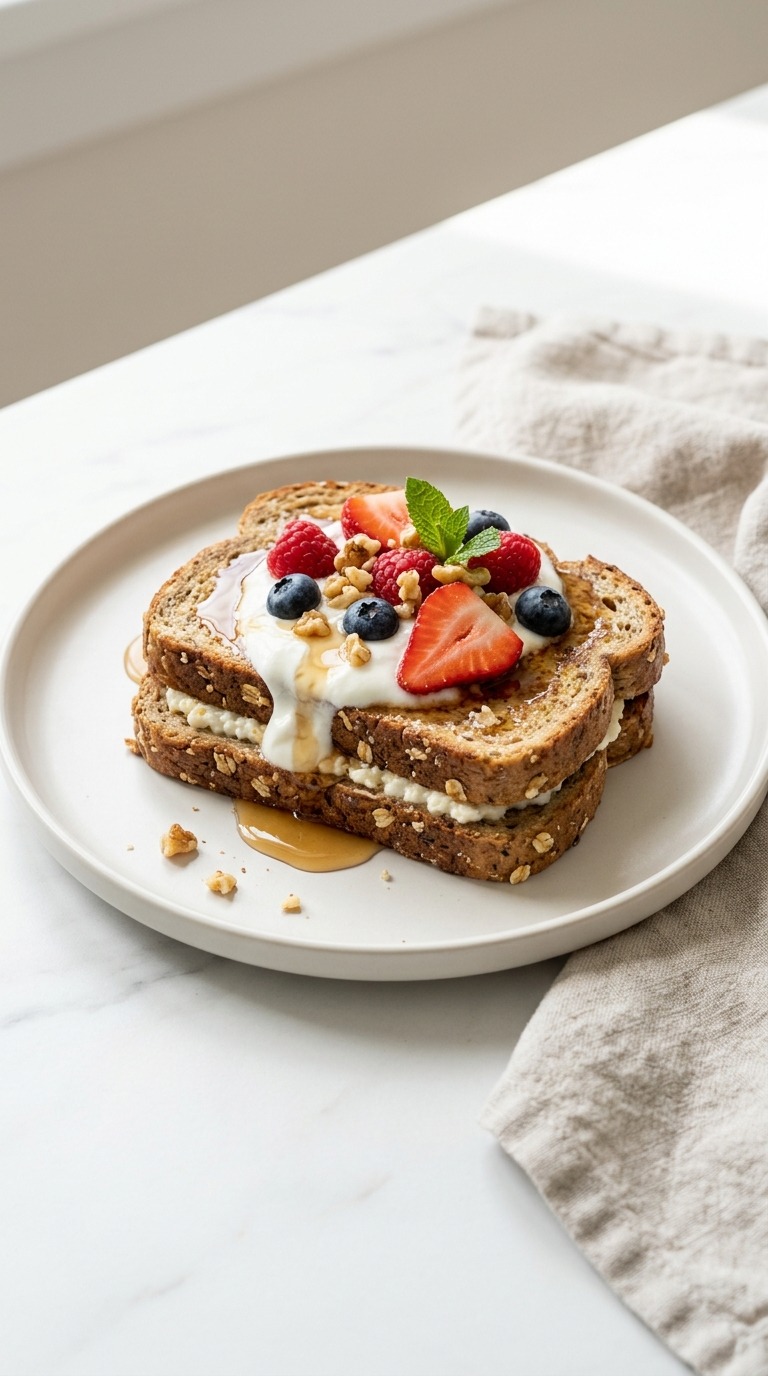
High-Protein French Toast with Ricotta and Berries
The batter is made with two whole eggs, a half cup of cottage cheese blended smooth, cinnamon, and a splash of vanilla — dipped in thick slices of whole grain bread and cooked in a ceramic nonstick skillet until deeply golden. Serve with part-skim ricotta and fresh berries instead of syrup. Genuinely excellent. Get Full Recipe
Chicken and Vegetable Breakfast Casserole
Shredded rotisserie chicken, roasted sweet potato, broccoli florets, and six beaten eggs poured over the top, baked in a dish until set and golden. You can prep everything the night before and bake it fresh in the morning — perfect for brunch with company. The OXO Good Grips baking dish makes this easy to go from oven to table. Get Full Recipe
Mediterranean Stuffed Peppers with Egg and Feta
Halved bell peppers roasted until just tender, then filled with a mix of two beaten eggs, crumbled feta, diced olives, and sun-dried tomato and baked until the egg is set. Serve with fresh herbs and a side of whole grain pita. Looks significantly more impressive than the effort required to make it. Get Full Recipe
For the casserole and frittata-style recipes, use a digital kitchen scale to portion properly — eyeballing large baked dishes is how people accidentally eat a third of the pan when the serving size is a quarter.
The Mediterranean stuffed peppers ended up becoming my Sunday tradition. I make a batch of four halves on Sunday morning and it turns into brunch plus leftovers for Monday. The macro numbers are almost too good to believe for how satisfying it is.
— Priya N., community memberMaking These Work for the Rest of Your Week
One of the best things about building a solid brunch habit is that almost every dish on this list generates useful leftovers. The egg cups reheat well. The hash stores beautifully. The casserole practically begs to become Monday morning meal prep. If you start thinking about brunch not just as a weekend activity but as a strategic cooking session, you end up ahead on the week without any additional effort.
The general principle is simple: cook double and store half. Most of these recipes scale up without any complexity change — if you’re making the turkey hash for two, making it for four takes maybe five extra minutes. Same pan, same method, just more portions. Store in glass containers in the fridge for up to four days. The 14-day low-calorie high-protein meal prep plan maps out exactly how to structure this kind of doubling-up strategy across a full two weeks if you want a guided version.
Also worth noting: published research in the Journal of Obesity and Metabolic Syndrome confirms that higher protein intake distributed across multiple meals (rather than concentrated at one) yields better muscle retention and satiety outcomes during caloric restriction. Which is the more clinical way of saying: protein at brunch genuinely matters for your goals, not just in the abstract but in measurable terms.
Frequently Asked Questions
How much protein should a brunch meal have to keep me full until dinner?
Aim for at least 20–25 grams of protein at brunch. Research consistently shows this range activates satiety hormones meaningfully and can reduce appetite for 3–5 hours post-meal. If your brunch is also replacing lunch (a late morning meal that takes you to dinner), go higher — 30–35 grams is a reasonable target for that one-meal window.
Can I prep these high-protein brunch recipes ahead of time?
Most of them, yes. Egg cups, casseroles, overnight oat variations, and grain bowls all hold well in the refrigerator for 3–4 days. Smoothie bowl bases can be prepped and frozen individually, then blended fresh in under two minutes. The main exceptions are poached egg dishes and anything with avocado — those need to be made fresh or they lose their appeal quickly.
What are the best protein sources for brunch if I don’t eat meat?
Greek yogurt, eggs, cottage cheese, silken tofu, chickpeas, lentils, and edamame are your main tools. Tempeh is worth exploring too — it has about 16 grams of protein per 3-ounce serving and takes on flavor very well when marinated and crisped. For a complete guide to hitting these targets without animal products, the plant-based resources mentioned throughout this article are a good starting point.
Are these recipes suitable for weight loss?
Yes, all 21 recipes sit under 400 calories while delivering 20 grams or more of protein — a combination that supports a caloric deficit without triggering the muscle loss that often comes with low-protein dieting. That said, individual calorie targets vary based on your weight, activity level, and goals. These are solid building blocks but not a clinical prescription.
Can I use these recipes for the whole family, including kids?
Absolutely. Most of these recipes are easy to scale up and kid-friendly with minor modifications — swap out spicy elements, reduce seasoning, and serve condiments on the side. The egg cups, French toast, smoothie bowls, and pancakes tend to be the biggest hits with younger eaters. The casserole is also a strong choice for family brunch because you can customize fillings for different preferences in the same dish.
The Bottom Line
Brunch doesn’t have to be a trade-off between enjoyment and progress. Every recipe in this list sits under 400 calories and delivers at least 20 grams of protein — which means you can genuinely have a satisfying, flavorful, occasion-worthy meal without spending the rest of the day trying to undo it.
Start with two or three recipes from this list that fit your current cooking style and kitchen setup. Build from there. The objective isn’t perfection — it’s consistency, and consistency is a lot easier when the food is actually worth eating.
Pick one recipe, make it this weekend, and see what the afternoon feels like when brunch actually kept you full for once.
30-Day High-Protein
Low-Calorie Meal Plan
Every breakfast, lunch, dinner & snack — all 30 days fully mapped out. Just follow the plan.
- ✓50+ complete recipes with ingredients & step-by-step instructions
- ✓4-week day-by-day plans — every meal for all 30 days
- ✓4 weekly shopping lists organised by store section
- ✓Printable habit & progress tracker — 30 full days
- ✓100g+ protein per day — scientifically optimised macros
Instant PDF · Print at home
Results guaranteed with consistency