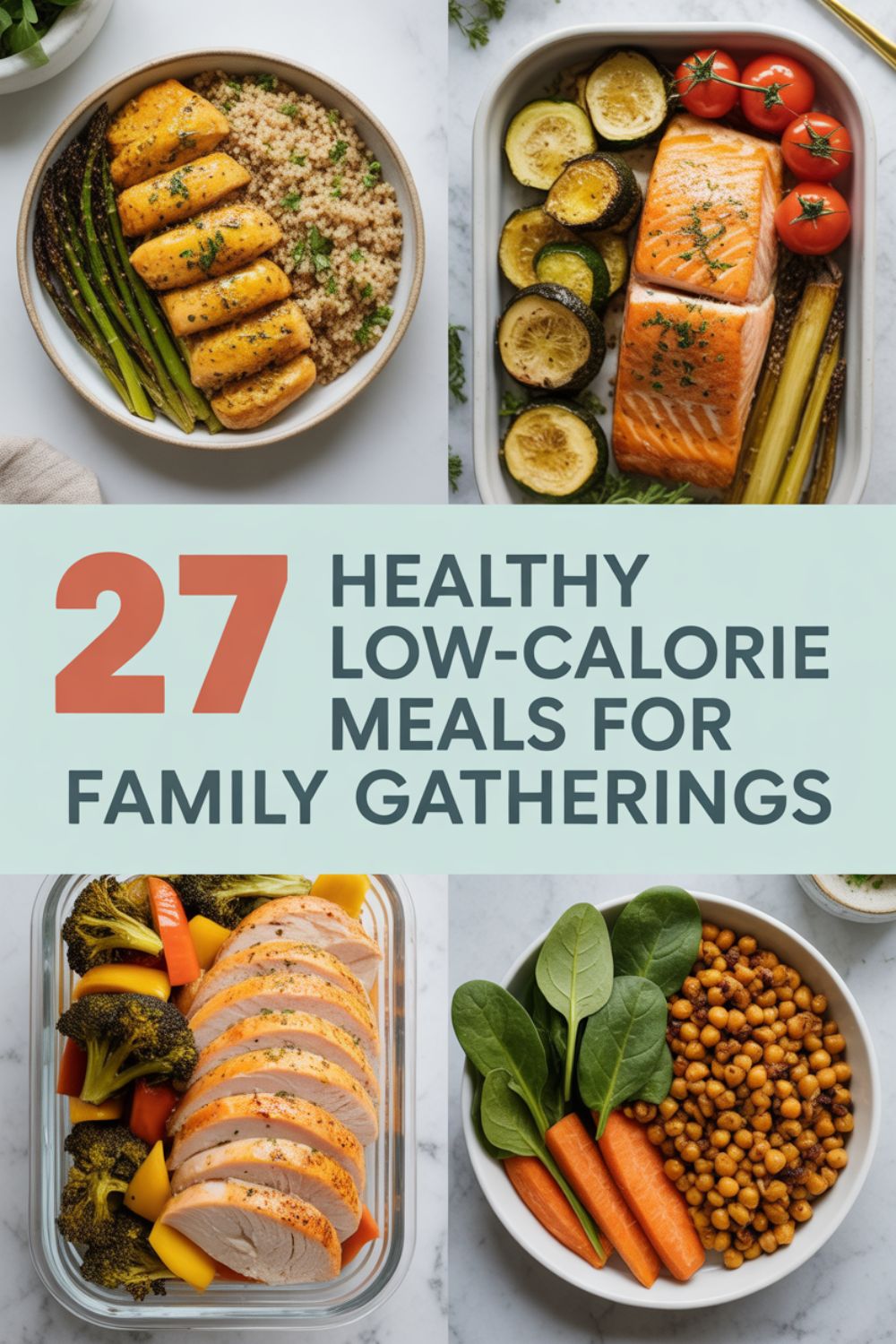
27 Healthy Low-Calorie Meals for Family Gatherings
Crowd-pleasing dishes everyone will love — without the post-dinner guilt spiral.
Here is what nobody tells you about cooking for a family gathering: everyone shows up hungry, someone always has a “thing” they don’t eat, and you, the cook, end up so stressed that you forget to enjoy the actual meal. Sound familiar? I have been there more times than I care to count. The good news is that feeding a crowd does not have to mean a mountain of heavy casseroles, cream-laden dips, or that one pasta salad drowning in mayo that everyone politely takes one spoonful of and leaves.
Low-calorie family meals have gotten a bad reputation they absolutely do not deserve. People assume “low-calorie” is code for small portions, sad steamed vegetables, and a general air of deprivation. Not even close. What it actually means is building a plate around lean proteins, fiber-rich vegetables, whole grains, and smart cooking techniques that maximize flavor without loading up on unnecessary fats and refined calories. The result? Meals that satisfy, that people actually go back for seconds of, and that leave everyone feeling good rather than needing a nap on the couch.
This list covers 27 recipes designed specifically for the chaos and joy of family gatherings — dishes that scale up easily, hold well on a buffet table, and do not require you to spend three days in the kitchen. Whether you’re feeding picky kids, health-conscious adults, or a mixed crowd of both, there is something here for every table.
Why Low-Calorie Doesn’t Mean Low-Satisfaction at the Table
Let’s get one thing out of the way before we even look at a single recipe. The idea that healthy food is somehow less enjoyable is one of the most stubborn myths in the food world. The truth is that calorie density and flavor have almost nothing to do with each other. Grilled salmon with a ginger-miso glaze is lower in calories than a fried fish sandwich, and I can guarantee which one gets the bigger reaction at the dinner table.
According to Harvard Health’s guidance on nutrient-dense eating, building meals around lean proteins, vegetables, and fiber-rich carbohydrates helps you hit your nutritional needs without overshooting your calorie intake. The focus should always be on what you’re adding, not just what you’re taking away. More herbs, more spice, better technique, and quality ingredients go a long way.
What also helps enormously at family gatherings specifically is the format. Bowls, platters, and build-your-own stations give everyone agency over what goes on their plate, which means the picky eight-year-old and the fitness-obsessed uncle can both leave happy. Variety, color, and abundance on the table signal satisfaction before anyone even takes a bite.
When cooking for groups, choose recipes with components that can be prepped 1–2 days ahead. Marinate proteins overnight, chop vegetables the evening before, and cook grains in bulk. You will spend the gathering at the table, not in the kitchen.
The 27 Recipes: Your Complete Family Gathering Menu
These recipes are organized loosely by category — starters and sides, mains, and lighter options that double as snacks or small plates. Every single one comes in under 450 calories per serving (most are considerably lower), and every one is designed to feed people who actually enjoy food, not people who are suffering through a diet.
Starters and Sides That Steal the Show
-
Roasted Red Pepper and White Bean Dip
Creamy, smoky, deeply savory — and about 90 calories per generous serving. Serve with cucumber slices and whole grain pita triangles. It disappears every time. -
Lemon-Herb Quinoa Tabbouleh
Lighter than the bulgur wheat version and packed with fresh parsley, mint, cherry tomatoes, and cucumber. Quinoa bumps up the protein significantly compared to traditional tabbouleh. -
Shaved Brussels Sprout Salad with Pomegranate and Almonds
Raw Brussels sprouts, shaved thin, dressed with apple cider vinegar, Dijon, and honey. The pomegranate seeds make it look spectacular on a platter. -
Baked Zucchini Fritters with Greek Yogurt Dip
Pan-fried in a light mist of olive oil spray, these come in around 120 calories for three fritters. The yogurt dip doubles as a sauce for the main dishes. -
Roasted Cauliflower with Harissa and Herbs
One of the most crowd-pleasing vegetable dishes you can put on a table. The harissa gives it enough heat and complexity that nobody misses the butter. -
Cucumber, Watermelon, and Feta Salad
A summer gathering classic. Refreshing, beautiful, and ready in about ten minutes. Uses very little dressing because the watermelon juice does most of the work. -
Lentil and Roasted Tomato Soup Cups
Served in small cups as a starter, this lentil-based soup is around 160 calories per serving and holds beautifully on a buffet warmer for hours.
The Mains: Where the Gathering Gets Serious
-
Sheet Pan Lemon Herb Chicken Thighs
Bone-in thighs roasted with garlic, lemon, rosemary, and a small amount of olive oil. Roughly 280 calories per piece. Easily scaled to any crowd size and genuinely impressive straight from the pan. -
Turkey and Vegetable Meatballs in Tomato Broth
Ground turkey keeps these much leaner than beef meatballs, and the broth-style sauce means no heavy cream or excess oil. Serve over zucchini noodles or whole wheat spaghetti depending on who’s at the table. -
Baked Salmon with Miso-Ginger Glaze
Around 320 calories per fillet, and it looks like you spent the whole day on it when you absolutely did not. The glaze takes five minutes to mix. This one is a genuine crowd-stopper. Get Full Recipe -
Slow-Cooked Chicken and White Bean Stew
A make-ahead marvel. Throw it in the slow cooker the morning of the gathering and come back to a deeply flavorful, thick stew that holds beautifully on low heat. About 340 calories per bowl. -
Grilled Shrimp Skewers with Avocado Salsa
Shrimp is one of the highest-protein, lowest-calorie proteins available — roughly 120 calories per serving. These skewers take about 10 minutes on the grill and the avocado salsa takes another 5. -
Moroccan-Spiced Chickpea and Vegetable Tagine
For the plant-based contingent at your gathering, this is the recipe that will have meat-eaters reconsidering their life choices. Chickpeas, sweet potato, tomatoes, and a full spice profile. About 310 calories per portion.
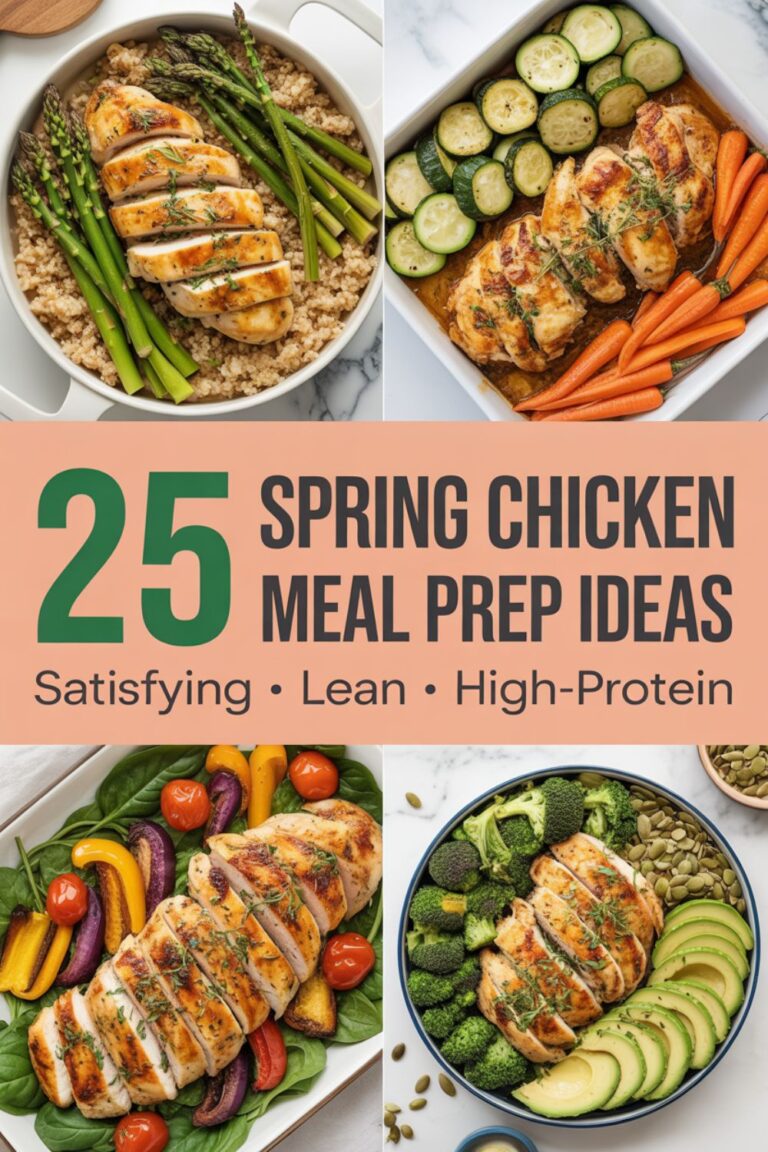
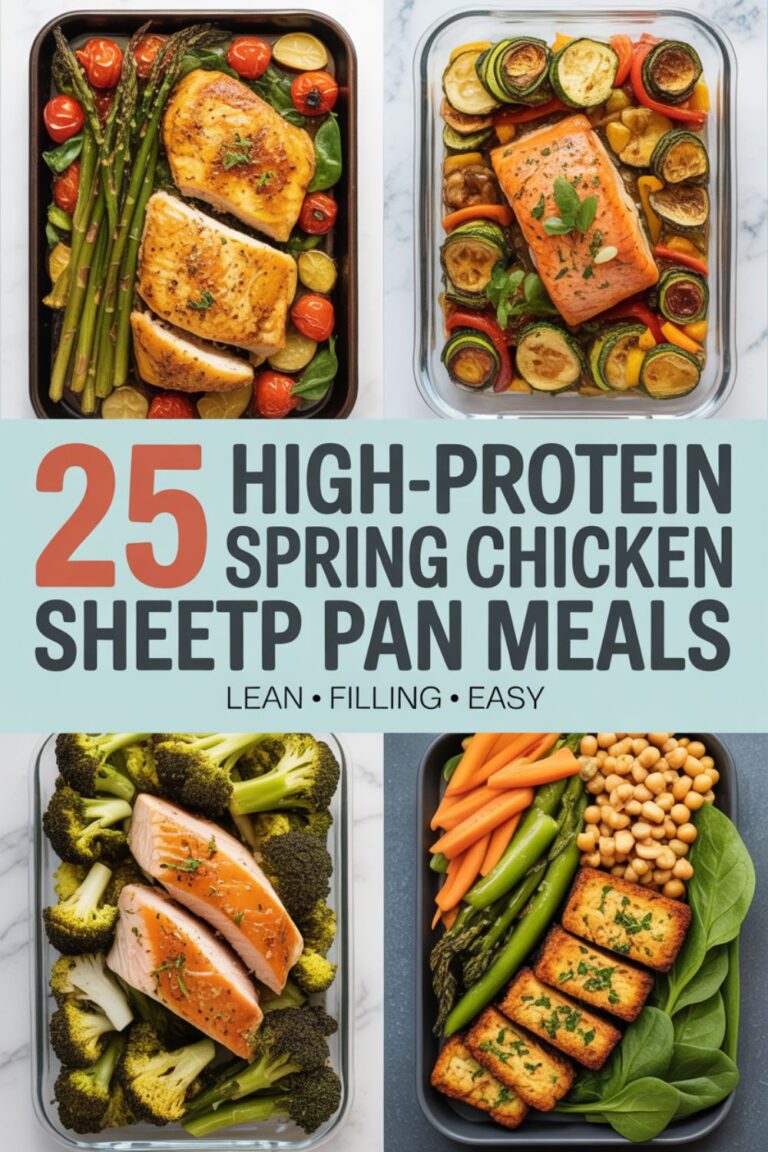
Featured Recipe: Sheet Pan Chicken Thighs with Roasted Vegetables
The most requested recipe at every gathering I’ve hosted. One pan, minimal cleanup, genuinely excellent results every single time.
Crowd-Pleasing Pasta and Grain Dishes
There is always someone at a family gathering who just wants pasta. And honestly, fair enough. The good news is that pasta dishes do not have to be calorie bombs. The secret is the protein-to-pasta ratio. When you bulk up a pasta dish with a substantial protein source and a lot of vegetables, the portion of pasta per serving drops while the overall volume on the plate stays satisfying.
Swapping regular pasta for whole grain alternatives also makes a measurable difference. Whole wheat pasta delivers more fiber and digests more slowly, which means people stay full longer and don’t raid the snack table an hour after the main course. If you have guests who avoid gluten, chickpea pasta is an excellent swap that also adds protein — though it cooks a minute or two faster than wheat pasta, so keep an eye on it.
-
Whole Wheat Penne with Turkey Bolognese
Ground turkey in a rich tomato sauce that has been simmering long enough to taste like it took all day. Around 380 calories per generous serving. A guaranteed hit for kids and adults alike. Get Full Recipe -
Orzo Salad with Roasted Vegetables and Feta
Served at room temperature, which makes it perfect for gatherings. Roast whatever vegetables you have, toss with cooked orzo, feta, and a lemon-olive oil dressing. -
Farro Bowl with Roasted Mushrooms and Parmesan
Farro is one of the most satisfying whole grains you can use — nutty, chewy, and it holds up incredibly well at room temperature without getting mushy. -
One-Pot Chicken and Brown Rice Pilaf
A proper crowd-feeder. Everything in one pot, built around a good chicken stock, garlic, and herbs. About 360 calories per serving and extremely easy to scale up.
Cook grains in chicken or vegetable stock instead of water. It costs you zero extra calories and adds a depth of flavor that makes the dish taste significantly more complex than the ingredients suggest.
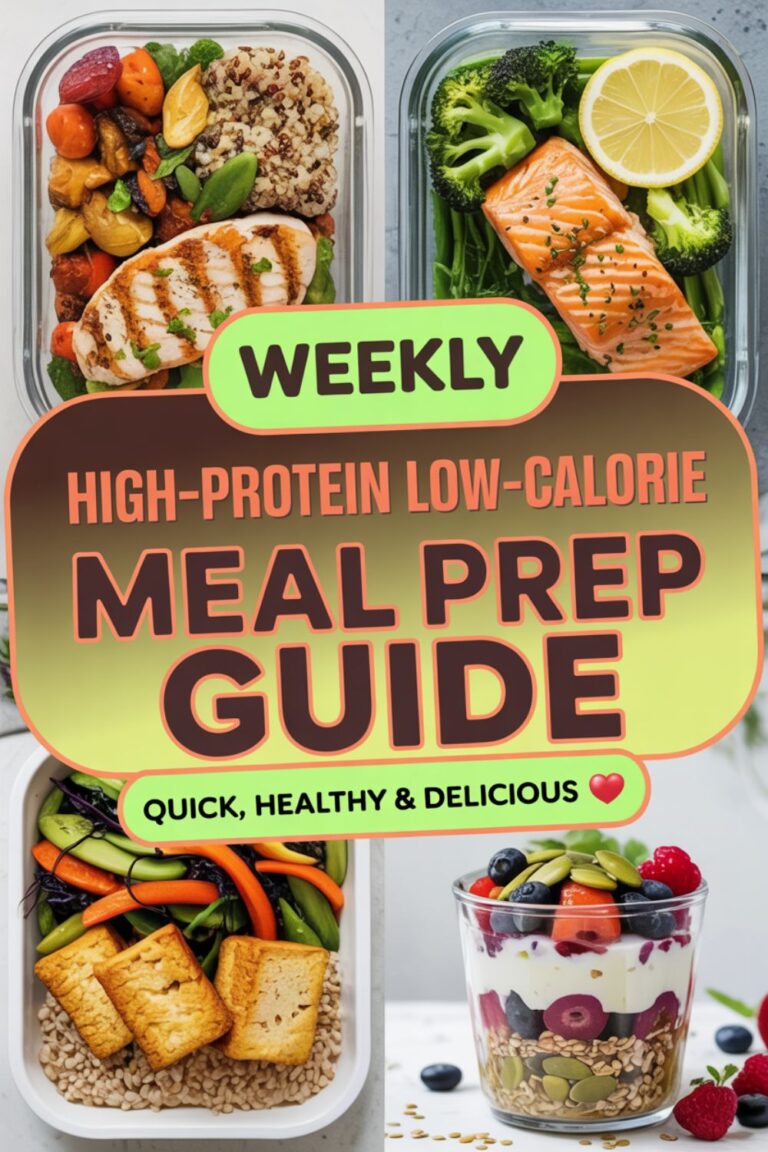
Speaking of grain-based meals that punch above their weight, you might also love these high-protein low-calorie bowls you can prep in under 20 minutes — ideal for getting ahead on gathering day prep. And if you want a structured approach to the whole week, the weekly high-protein low-calorie meal prep guide is exactly the kind of planning resource that makes gatherings feel effortless.
Lighter Dishes That Work as Snacks, Small Plates, or Kid Options
Not everyone at a family gathering wants a full plate of food. Kids often graze, some adults prefer smaller portions of multiple dishes, and there are always a few people who show up two hours before the food is ready and need something to keep them occupied. These lighter options cover all of that.
-
Mini Turkey Lettuce Wraps with Hoisin
Two bites each, about 60 calories per wrap. Kids love assembling them. Adults love eating them. Everybody wins, nobody has to be convinced these are “healthy.” -
Baked Sweet Potato Rounds with Greek Yogurt and Herbs
Slice sweet potatoes into rounds, season, and bake until tender. Top with a spoonful of herbed Greek yogurt. A genuinely great finger food that looks much fancier than it is. -
Egg White Frittata Squares with Spinach and Tomato
Baked in a sheet pan and cut into squares, these come in at around 80 calories per piece and work at any temperature from warm to room temp. -
Spiced Edamame
Tossed in sesame oil, garlic salt, and chili flakes then roasted until slightly crispy. Serves as both a protein-rich snack and a conversation piece because everyone always asks what they are. -
Cucumber Rolls with Smoked Salmon and Cream Cheese
Use a vegetable peeler to make thin cucumber ribbons, roll them up with a small amount of light cream cheese and smoked salmon. Elegant, low-calorie, and done in under 20 minutes.
I used this exact lineup for my daughter’s birthday gathering — 18 people, mixed ages, including four kids under seven. Not one person asked where the “real” food was. The turkey lettuce wraps were gone within ten minutes and two adults asked me for the recipe before the party was even over. I made the miso salmon as the centerpiece and three people told me it was the best salmon they’d ever had. I’m not saying this to brag, just to confirm that low-calorie food does not have to announce itself as diet food.
Maria T., community member
Desserts That Don’t Undo Everything
IMO, the dessert question is where most otherwise healthy gatherings fall apart. You’ve done everything right — lean proteins, vegetable-forward sides, whole grains — and then out comes a three-layer cake with buttercream frosting and everyone abandons all pretense of moderation. I get it. Dessert is non-negotiable. But there are options that actually satisfy without being an event.
-
Greek Yogurt Bark with Berries and Dark Chocolate
Spread Greek yogurt on a baking sheet, scatter mixed berries and dark chocolate chips, freeze for two hours. Break into pieces. About 120 calories per portion and people treat it like a novelty which works in your favor. -
Baked Cinnamon Pears with Walnuts and Honey
Pears halved and baked until caramelized, topped with crushed walnuts and a drizzle of honey. Around 150 calories, takes 25 minutes, and looks genuinely beautiful on a platter. -
Chia Seed Pudding Cups with Mango
Made the night before, served in small glasses, about 180 calories each. The mango brings enough sweetness and color that nobody notices these are “healthy desserts.” -
Watermelon Granita
Blend watermelon, lime juice, and a small amount of honey, freeze and scrape with a fork every hour. About 80 calories per serving and spectacular in summer. Takes approximately zero skill. -
Dark Chocolate and Almond Protein Bites
Rolled oats, almond butter, dark chocolate chips, a touch of maple syrup, and a scoop of protein powder if you want to boost the numbers. Around 95 calories each. Get Full Recipe
Kitchen Tools for These Recipes
These are the things I actually use when cooking for a crowd. No fluff, no filler — just what genuinely makes gathering cooking easier and less stressful.
Half-Sheet Baking Pans (Set of 2)
The workhorse of every sheet pan dinner. Having two means you can roast protein and vegetables simultaneously at different temps.
6-Quart Dutch Oven
For the stews, braises, and one-pot dishes on this list. Mine has gone to more gatherings than I have. Enameled cast iron holds heat beautifully and doubles as a serving vessel.
Instant-Read Meat Thermometer
The single thing that prevents overcooked chicken at gatherings. Pull proteins at the right temperature every time without cutting into them to check.
Digital Resources
Printable Gathering Menu Planner
A structured template for planning courses, calculating serving sizes per head, and tracking what needs to be prepped when. Massive stress reducer.
Calorie Tracking App (Premium)
For tracking macros across your gathering menu and making sure the overall meal lands where you want it. Useful when scaling recipes up significantly.
Meal Prep Mastery Course
If you want to nail the prep-ahead strategy for gatherings, this course covers batch cooking, storage timing, and reheating without sacrificing texture.
How to Scale These Recipes for Any Size Gathering
The most common question I get about cooking healthy meals for groups is how to scale without things going sideways. The short answer: proteins and grains scale linearly and are forgiving. Baked goods and desserts are less so. Since this list leans heavily on proteins, vegetables, and grains, you can almost always multiply straight across without issues.
The practical tip that changes everything: buy a kitchen scale. When you’re cooking for 12 instead of 4, eyeballing is where things go wrong. Weighing ingredients, especially proteins and grains, keeps your calorie counts accurate and your cooking times predictable. I use this compact digital scale and it lives on the counter because I use it for almost every gathering recipe.
FYI — sheet pan dinners are the single best format for cooking at scale. You can run multiple sheet pans simultaneously in a standard oven, everything roasts at the same temperature, and cleanup is minimal. The 30 low-calorie high-protein sheet pan dinners list is one of the most useful resources I have found for exactly this kind of gathering cooking.
For Instant Pot and slow cooker recipes specifically, capacity is the main limit — you cannot pack either one beyond the max fill line without messing with cooking times and results. For very large gatherings, run two slow cookers simultaneously rather than trying to cram everything into one. You can pick up a second slow cooker affordably and it pays for itself the first time you use it for a big group.
For any gathering with 10+ people, assign one recipe per cooking method — one sheet pan dish, one slow cooker dish, one stovetop dish, and one no-cook item. This prevents oven traffic jams and keeps you from turning into a short-order cook on event day.
Smart Swaps That Cut Calories Without Cutting Flavor
If you already have family recipes you love and want to lighten them up rather than replace them entirely, these are the substitutions that actually work. The key principle: you are replacing fat and refined carbohydrates, not flavor. Fat carries flavor, so when you reduce it, you need to compensate with more herbs, acid, spice, and aromatics.
- Greek yogurt for sour cream or mayo — In dips, dressings, and creamy sauces, Greek yogurt delivers the tang and creaminess with significantly less fat and a protein boost. Full-fat Greek yogurt in small amounts is better than fat-free, which can be watery.
- Cauliflower rice alongside regular rice — A 50/50 blend is often undetectable to most people, halves the calorie count of the grain portion, and adds a serving of vegetables without anyone noticing. I am not suggesting you pretend cauliflower is rice. I am suggesting you blend them.
- Lettuce cups or endive leaves for chips and crackers — For dips and fillings, sturdy lettuce cups add crunch and freshness while cutting the calorie load of the vehicle significantly.
- Avocado for butter in certain contexts — In spreads and cold applications, mashed avocado replaces butter well. It’s still calorie-dense, but it brings healthy fats, potassium, and fiber that butter does not.
- Aquafaba for egg yolks in dressings — The liquid from a can of chickpeas emulsifies just like egg yolk in dressings and aiolis. It sounds bizarre until you try it and realize it works beautifully.
- Zoodles or spaghetti squash alongside pasta — Again, not instead of. Alongside. A mix of zucchini noodles and whole wheat pasta gives volume without the full carb count, and most people at a gathering will not clock the difference.
These substitutions also make dishes much more accessible for guests with dietary restrictions. Dairy-free, gluten-free, and plant-based guests will find more options naturally available when you build meals this way. If you want a broader look at plant-based gathering options specifically, the 25 high-protein low-calorie vegan meals collection is genuinely excellent.
I started making these swaps for my husband’s family gatherings — his family is very much a “meat and potatoes, heavy sides” crowd. I did the cauliflower-rice blend in the chicken pilaf and served Greek yogurt instead of sour cream with the baked sweet potato rounds. Nobody said a word except that everything was delicious. My mother-in-law asked for the pilaf recipe. I told her after, which went over better than I expected.
Jamie K., newsletter subscriber
Meal Prep Strategy for Gathering Day Success
Here is the honest truth about hosting: you will enjoy your own gathering approximately zero percent if you spend the entire day cooking. The secret to pulling off a spread of 27 dishes (or even a selection of 8–10 from this list) is aggressive, strategic meal prep done 1–2 days in advance.
The items that prep beautifully ahead of time: grain salads (improve with time in the fridge), marinated proteins (24 hours makes a significant flavor difference), dips and spreads, anything slow-cooked, and all of the desserts on this list. The items that need day-of attention: anything with avocado, fresh herb garnishes, and anything fried or baked that you want to serve crispy.
For a structured approach to getting the week’s cooking done efficiently, the 7-day low-calorie high-protein family meal plan gives you a full framework that can be adapted for gathering prep. And if you want the full meal prep approach laid out with timing and storage guidance, the 14-day low-calorie high-protein meal prep plan covers all of it in detail.
Storage containers matter more than people give them credit for. I use these glass meal prep containers for everything because they go straight from fridge to oven and stack neatly. For transporting food to gatherings at someone else’s home, leak-proof stackable containers are non-negotiable — I ruined a car seat with an orzo salad once and I am not doing that again.
Label everything you prep with masking tape and a marker — dish name, date prepped, and reheating instructions. When gathering day arrives and you’ve got six containers in the fridge, you’ll thank yourself for the 30 seconds this takes.
Frequently Asked Questions
What counts as “low-calorie” for a family gathering meal?
For main dishes, a serving under 400–450 calories is a reasonable target. For sides and snacks, under 200 calories per serving keeps the overall meal balanced. The focus should be on nutrient density — getting substantial protein, fiber, and micronutrients within that calorie budget — rather than just eating smaller amounts of the same heavy dishes.
Can I make all of these recipes ahead of time?
Most of them, yes. The grain dishes, slow-cooked proteins, dips, and desserts all prep beautifully 24–48 hours ahead. The exceptions are anything with fresh avocado (make day-of), crispy baked items you want to serve hot, and the watermelon granita which needs to be made at least 4–6 hours before serving but no more than a day ahead for best texture.
How do I handle guests with dietary restrictions when serving low-calorie meals?
These recipes are actually well-suited to mixed-restriction groups because they rely heavily on whole foods rather than heavily processed ingredients. Build your menu around at least one plant-based main, keep dairy and gluten as optional add-ons rather than integrated into the base dish, and label everything clearly. A simple card in front of each dish noting allergens goes a long way at a buffet setup.
Will kids actually eat low-calorie gathering food?
More than you’d expect, especially when you frame it correctly — which means not framing it as health food at all. The turkey lettuce wraps, sweet potato rounds, edamame, and dark chocolate bites on this list are all genuinely popular with kids. Build-your-own stations where kids can assemble their own plate work especially well because children eat more enthusiastically when they have some control over what goes in front of them.
How do low-calorie meals affect the overall energy and mood at a gathering?
Significantly and positively. Lighter, protein-forward meals keep blood sugar more stable than heavy carbohydrate and fat-loaded dishes, which means guests maintain energy and good humor throughout rather than hitting a wall two hours in. The post-gathering nap is not inevitable — it is a symptom of what was on the table.
The Gathering Table You Actually Want to Sit At
The goal was never to bring diet food to the family table. The goal was always to cook food that’s genuinely good — food that happens to not leave everyone feeling sluggish, overfull, or quietly regretful about their choices. These 27 recipes do exactly that. They are built for abundance, for flavor, for the kind of gathering where people linger at the table because the food is too good to rush through.
Start with two or three recipes from this list for your next gathering. See how the crowd responds. My guess is that you won’t hear “this is healthy food” — you’ll hear “can I get the recipe?” Which, in the end, is the only review that matters at a family table.
If you want a full structured plan rather than picking individual recipes, the 7-day low-calorie high-protein family meal plan gives you exactly that — a mapped-out week of meals built around the same principles as every recipe on this list. Start there and build from it. Your next gathering is going to be the best one yet.
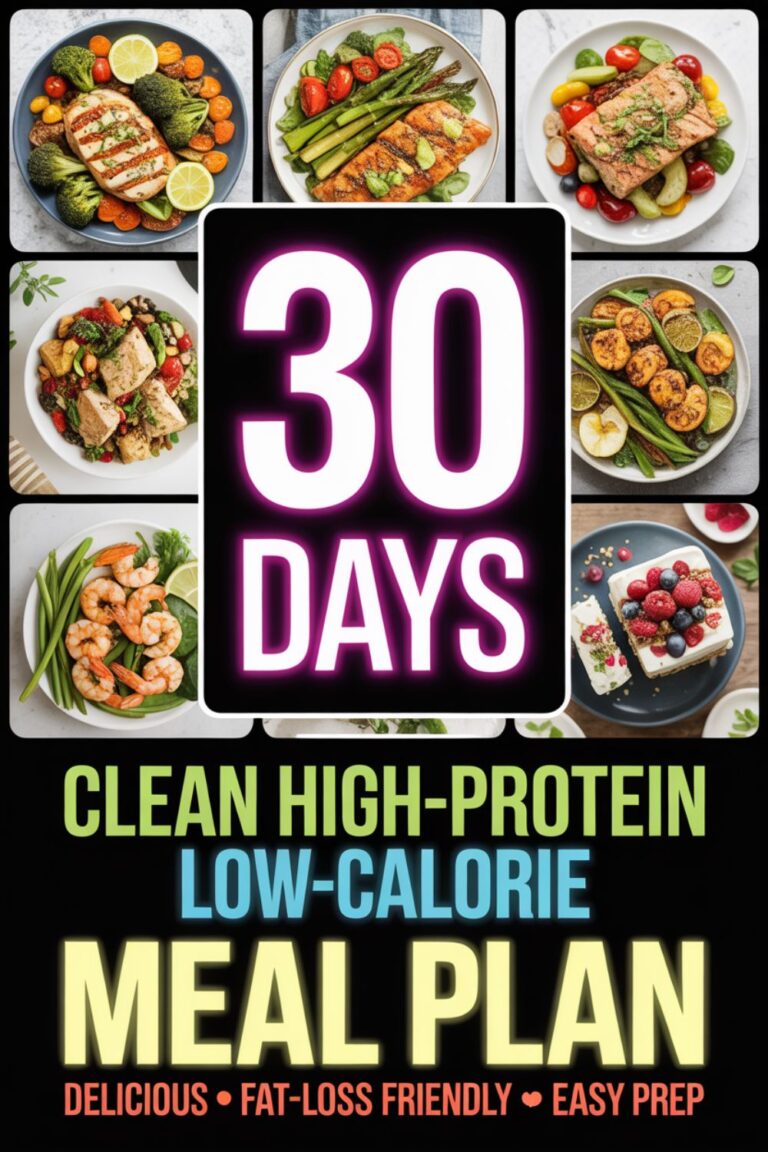
30-Day High-Protein
Low-Calorie Meal Plan
Every breakfast, lunch, dinner & snack — all 30 days fully mapped out. Just follow the plan.
- ✓50+ complete recipes with ingredients & step-by-step instructions
- ✓4-week day-by-day plans — every meal for all 30 days
- ✓4 weekly shopping lists organised by store section
- ✓Printable habit & progress tracker — 30 full days
- ✓100g+ protein per day — scientifically optimised macros
Instant PDF · Print at home
Results guaranteed with consistency