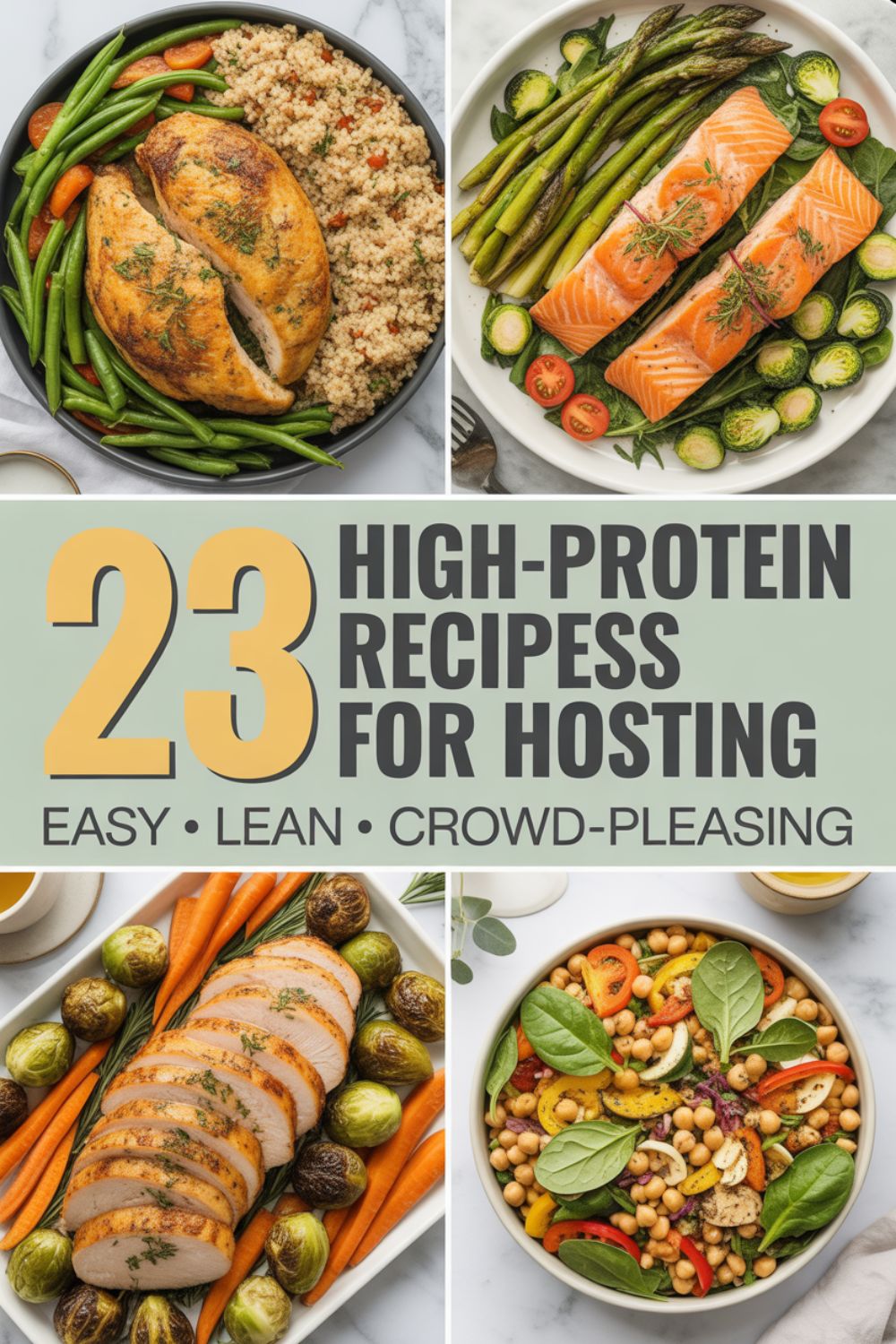
23 High-Protein Recipes for Hosting That’ll Make You the Star of Every Gathering
Crowd-pleasing dishes that keep everyone full, fueled, and coming back for seconds — without the post-dinner regret.
Hosting is supposed to be fun. Somewhere between “I’ll just make a quick thing” and cooking for fourteen people who all have opinions about food, it quietly became a mild form of panic. And if you’re also trying to eat in a way that keeps you energized and not totally wrecked after the party, the options feel weirdly limited. Chips and dip? Sure. But nothing there is doing your guests — or you — any nutritional favors.
That’s what this list is actually for. These are 23 high-protein recipes for hosting that taste genuinely impressive, serve a crowd without drama, and happen to be the kind of food that leaves people satisfied rather than reaching for a third dessert because dinner didn’t stick. Whether you’re running a laid-back backyard cookout, a Sunday brunch situation, or a proper dinner party, there’s something here that works.
And just so we’re clear — protein-forward doesn’t mean dry chicken breast on a platter. Think skewers with a proper marinade, crowd-ready egg dishes with real depth, vibrant bowls that look like you tried, and apps that disappear before you’ve even sat down. This is the good stuff. Let’s get into it.
Why High-Protein Hosting Recipes Are Worth the Thought
Here’s a thing most people don’t consider when planning a party menu: protein is one of the most powerful satiety nutrients there is. When your guests eat a meal that’s well-rounded in protein, they’re genuinely satisfied — not just full for twenty minutes and then hovering near the dessert table. According to research published in Food and Chemical Toxicology on dietary protein intake and human health, adequate protein at meals contributes to sustained energy and muscle maintenance, not just for athletes but for everyone sitting at your table.
So if you’re planning to host and you want people to leave happy and not with that heavy, regretful feeling that comes from a table full of refined carbs and cheese, high-protein recipes are genuinely the move. And IMO, they also tend to be more interesting to cook. There’s something that happens to a skewer of marinated chicken thighs over heat that a bowl of pasta simply cannot replicate.
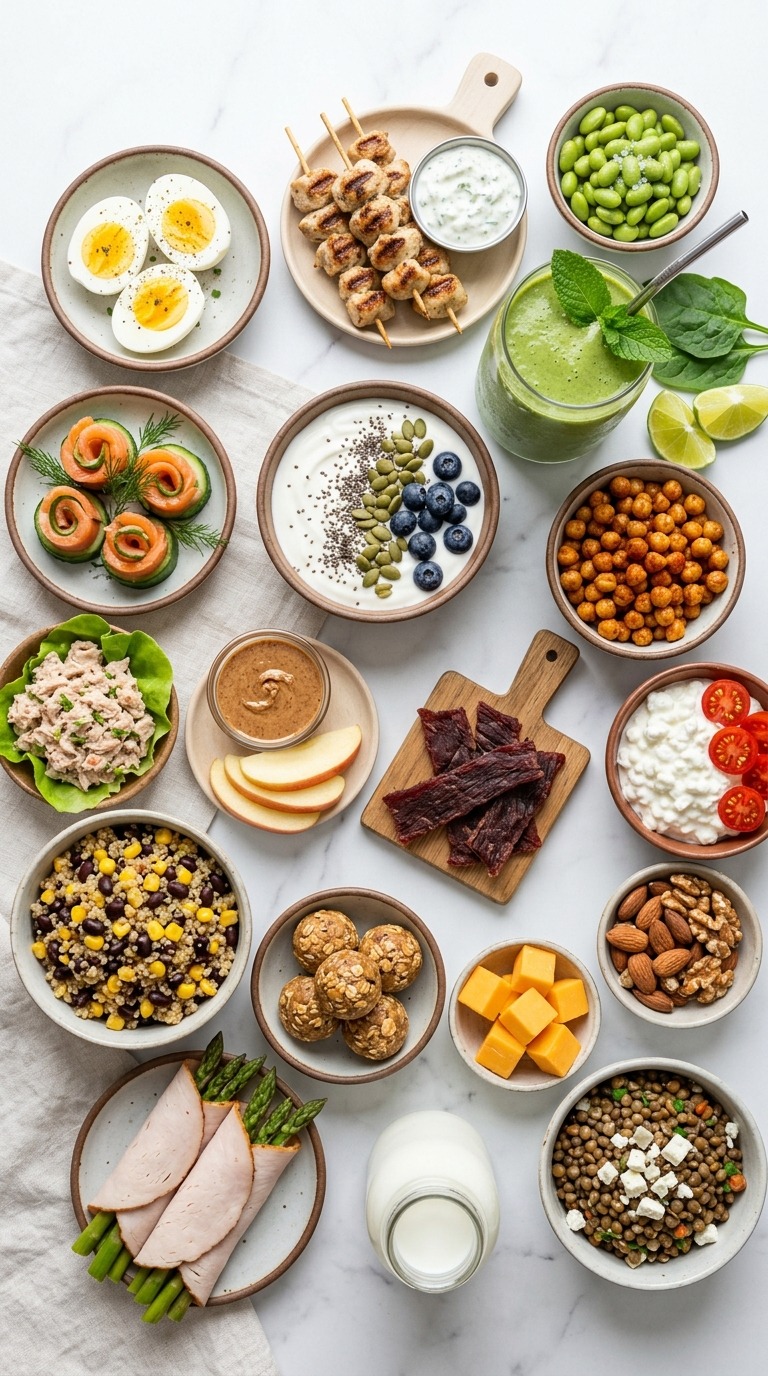
The recipes below span appetizers, mains, brunch dishes, and crowd-ready bowls. Each one is built around a solid protein source — chicken, eggs, legumes, Greek yogurt, salmon, turkey, cottage cheese — and most can be partially or fully prepped ahead, which is the real secret to hosting without losing your mind.
Season your proteins the night before and refrigerate uncovered for the last two hours. That dry-brine effect does more for flavor and texture than anything you add at the table.
The Appetizers That Actually Pull Their Weight
1. Greek Yogurt Dip with Veggie Crudites and Pita
This is the first recipe on the list because it’s the one you’ll make before guests even arrive and it never fails. Full-fat Greek yogurt whipped with roasted garlic, lemon zest, fresh dill, and a drizzle of good olive oil becomes something genuinely special. Each serving carries roughly 12–15 grams of protein, and the veggie platter alongside it keeps things fresh and colorful. Use a quality olive oil dispenser like this one to get that final drizzle right — the difference between a glug and a controlled pour matters more than people admit.
If you want the full recipe and serving sizes, Get Full Recipe
2. Mini Egg and Turkey Frittata Bites
These are the finger food equivalent of a crowd-pleaser. Made in a muffin tin, each little frittata holds eggs, lean ground turkey, diced peppers, and a handful of feta. They’re bite-sized, can be made the day before, and reheat beautifully. Pop them in a mini muffin tin like this one — the non-stick silicone version makes releasing them a completely stress-free experience, which, during a hosting day, is priceless.
These pair perfectly with a bold dipping sauce. If you’re already thinking about brunch applications, these protein-packed breakfasts for busy mornings have a bunch of related ideas that translate well to a hosting context.
3. Smoked Salmon and Cream Cheese Cucumber Rounds
Cold appetizers are the host’s best friend because they’re done before anyone arrives. Cucumber rounds topped with whipped cream cheese, a small fold of smoked salmon, a caper, and a dusting of everything bagel seasoning look elegant and take about fifteen minutes to assemble. Salmon brings roughly 7 grams of protein per ounce, so a full platter of these adds up fast in the best way.
4. Edamame Hummus with Seed Crackers
Regular hummus is perfectly fine. Edamame hummus is better in the context of a high-protein spread because you’re layering protein from the chickpeas with the substantial protein contribution from edamame. It comes out a beautiful pale green, tastes bright and slightly sweet, and pairs with any cracker or crudite situation you already have going. This is also a great option if you have guests who eat plant-based — no compromises needed.
For more plant-forward protein ideas that hold up to a crowd, check out these high-protein vegan meals — several of them adapt nicely into appetizer portions.
The Main Events: High-Protein Dishes That Feed a Crowd
5. Harissa Chicken Thighs with Herbed Yogurt
Bone-in, skin-on chicken thighs braised in harissa paste, diced tomatoes, and smoked paprika, finished in the oven until the skin is properly crisp — this is the kind of main course that makes people think you’ve been cooking professionally. Serve it over a bed of wilted spinach with a cold herbed yogurt on the side and you’ve got something that photographs well and tastes even better. This is a full crowd meal, and it reheats well if you’re doing a buffet-style setup.
6. Lemon-Herb Salmon Sheet Pan
Sheet pan meals are genuinely one of the best inventions for hosting because you can scale them and the oven does the work. A large side of salmon, seasoned with lemon zest, capers, fresh dill, and a heavy hand of garlic, surrounded by asparagus and cherry tomatoes, looks impressive with almost no effort. FYI: salmon filets continue cooking off heat, so pull them two minutes early and let them rest on the pan. Get Full Recipe
7. Turkey Meatball Bar
A meatball bar is one of those hosting setups that sounds fancier than it is. Make a large batch of turkey meatballs using lean ground turkey, breadcrumbs, egg, garlic, and fresh parsley. Set them out with two or three sauces — a marinara, a Greek-style yogurt tzatziki, and a spicy almond dipping sauce — and let guests mix and match. Each meatball carries around 8–10 grams of protein depending on size, so it adds up quickly and generously.
8. Grilled Steak Skewers with Chimichurri
Steak skewers cut from sirloin or flank steak, marinated in lime juice, garlic, and cumin, then grilled and served with a bright chimichurri sauce, are one of those things that looks like serious effort but comes together in under thirty minutes of actual work. The marinade does the heavy lifting overnight. Use a sturdy flat metal skewer set like this one — they conduct heat for more even cooking and don’t spin when you’re turning them, which makes you look like you know exactly what you’re doing.
9. Greek Chicken Bowls for a Crowd
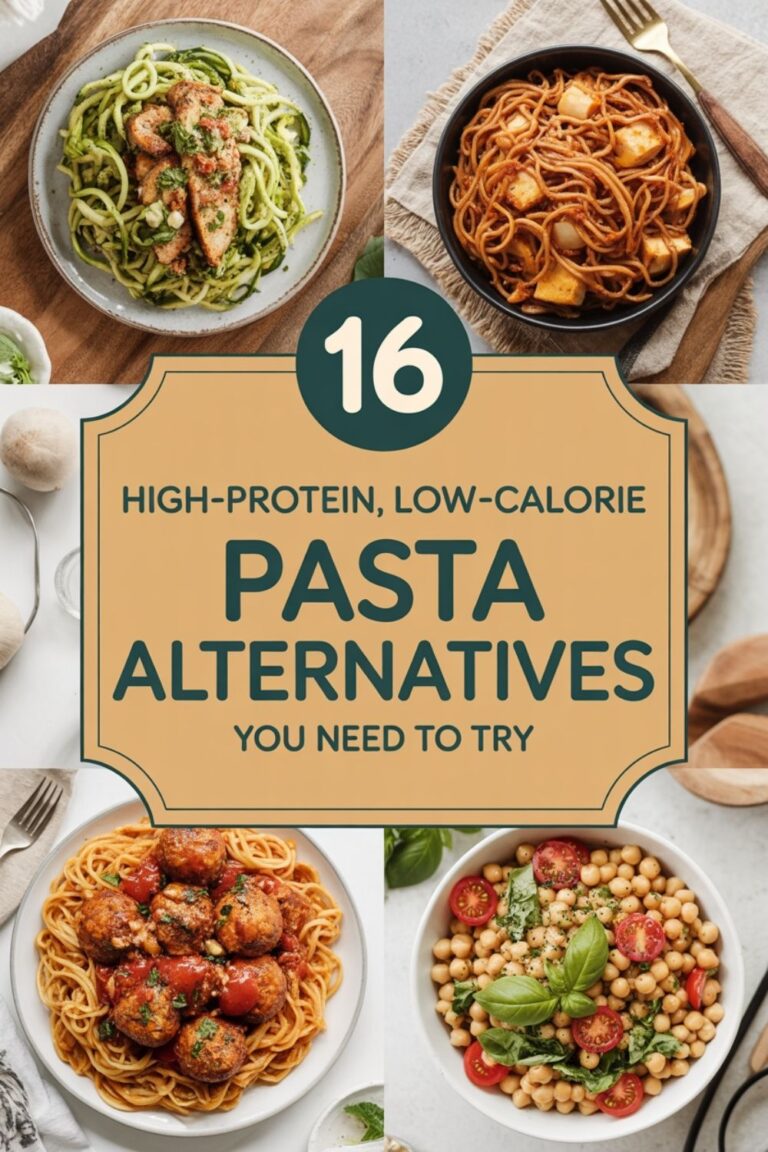
Build a bowl station: marinated grilled chicken, cucumber-tomato salad, kalamata olives, warm pita, and tzatziki. Set it up as a self-serve spread and you’ve effectively outsourced the plating to your guests while still looking like a genius host. This is especially good for larger groups because it’s naturally accommodating to different dietary preferences. For serious bowl-prep inspiration that holds up through a hosting day, these high-protein bowls you can prep in under 20 minutes are worth having in your back pocket.
10. Moroccan-Spiced Lamb Kofta
Kofta — spiced ground lamb or beef shaped around a skewer or formed into a log — is one of those dishes that feels celebratory without requiring any serious technique. Season the meat generously with cumin, coriander, cinnamon, fresh mint, and plenty of garlic. Lamb is rich in protein and iron, and the North African spice profile makes this feel genuinely interesting rather than just another grilled meat situation.
11. White Bean and Chicken Sausage Cassoulet
A simplified cassoulet — white beans slow-cooked with chicken sausage, diced tomatoes, thyme, and rosemary — is one of the best cold-weather hosting dishes because it actually improves the longer it sits. Make it the day before, reheat slowly, and the flavors deepen in ways that make you look like you spent an entire Sunday in the kitchen. You did not. White beans carry around 7 grams of protein per half cup, and they combine beautifully with the sausage for a complete, deeply satisfying protein profile.
When hosting 8 or more people, prep at least one dish two days ahead, one the day before, and leave only one item for day-of cooking. Your stress level — and your food quality — will both thank you.
Brunch Recipes That Work for a Crowd
12. Shakshuka with Feta and Dukkah
Shakshuka — eggs poached directly in a spiced tomato sauce — is one of the most underrated hosting moves in existence. It looks dramatic, it smells incredible from the moment it hits the stove, and it serves six to eight people from a single large skillet. Finish it with crumbled feta, a spoonful of dukkah (an Egyptian nut and spice blend), and a pile of warm crusty bread and you’ve covered brunch in a way that people will specifically ask you about later. Use a wide cast-iron skillet like this one — the even heat distribution prevents burning around the edges while the eggs cook through properly.
13. Smashed Avocado Toast Board with Soft Boiled Eggs
A toast board isn’t a recipe so much as an assembly situation, but it’s a genuinely excellent hosting format for brunch. Thick slices of sourdough, bowls of smashed avocado with lime and flaky salt, soft-boiled eggs, smoked salmon, sliced radishes, microgreens — set it up as a DIY station and guests build their own. Each combination carries solid protein, especially if they go heavy on the egg and salmon options, and the visual presentation is one of those things that makes people immediately reach for their phones.
14. High-Protein Egg White Frittata with Gruyere
An egg white frittata sounds less exciting than it actually is. The key is adding Gruyere (which melts with actual elegance) and loading the inside with caramelized onions, roasted red peppers, and fresh thyme. The texture is lighter than a whole-egg frittata, it slices cleanly into wedges, and it holds at room temperature for about an hour, which is genuinely useful in a hosting context. Get Full Recipe
15. Cottage Cheese Pancakes with Berry Compote
Before you judge the inclusion of cottage cheese in a pancake batter, hear me out: it adds moisture, richness, and a significant protein boost without changing the flavor at all. These pancakes are thicker and more satisfying than the typical brunch variety, and a quick berry compote made from frozen mixed berries, lemon, and a little honey makes them feel properly finished. They also reheat on a griddle in about forty-five seconds per side, which matters a lot when you’re trying to serve twelve people simultaneously.
I made the cottage cheese pancakes and the shakshuka for a Mother’s Day brunch last spring and genuinely had four people ask me for the recipes before they left. One of my guests who has been trying to eat more protein said it was the first brunch she’d been to in years that didn’t wreck her energy for the rest of the day. That stuck with me.
— Dana M., reader from our community
Salads and Sides That Actually Matter
16. Quinoa Tabbouleh with Chickpeas
Traditional tabbouleh uses bulgur wheat. Swapping it for quinoa — which contains all nine essential amino acids and significantly more protein per serving — keeps the fresh, herb-forward character of the dish while making it substantially more nutritious. Add a full can of drained chickpeas and you’ve turned a side salad into something that holds up as a standalone option for plant-based guests. For a deep list of ideas in this direction, these plant-based high-protein meals are a solid resource.
17. Lentil Salad with Roasted Beets and Goat Cheese
Green or black lentils hold their shape when cooked properly (no mush, no falling apart), which makes them a great base for a composed salad. Dress them while warm with a shallot vinaigrette, top with roasted golden beets, crumbled goat cheese, and toasted pumpkin seeds. Lentils bring around 18 grams of protein per cooked cup, and this salad looks genuinely stunning on a table — the deep green of the lentils against golden beets is one of those color combinations that photographs in a way that seems almost unfair.
18. Caprese Stack with Burrata and Prosciutto
Burrata — that soft, cream-filled mozzarella — combined with thin slices of prosciutto, sliced heirloom tomatoes, and fresh basil, finished with aged balsamic and good olive oil, is one of those side dishes that requires almost no effort and reads as intensely sophisticated. The prosciutto pulls its protein weight here, and the burrata adds a richness that makes the whole thing feel celebratory. Keep a quality aged balsamic like this one in your pantry specifically for moments like this — the difference between a young and an aged balsamic on this dish is genuinely significant.
When making any grain-based salad for a crowd, dress it in two stages: once while warm (so the grains absorb the vinaigrette) and again right before serving (so it stays bright and fresh). Single-stage dressing is how salads go flat before the party’s over.
Kitchen Tools That Make High-Protein Hosting Easier
These are things I genuinely use when cooking for a group. Not a sales pitch, just the stuff that actually makes a difference when you’re scaling recipes and trying not to lose your mind in the process.
Physical Tools Worth Having
-
Large Cast-Iron Skillet (12-inch)
This is the pan you reach for when you’re making shakshuka for eight, searing chicken thighs in batches, or finishing a frittata in the oven. Even heat, goes from stovetop to oven, lasts basically forever. Every serious hosting kitchen has one. -
Stainless Steel Mixing Bowl Set with Lids
For marinating proteins overnight, mixing large batches of salad, and general hosting prep sanity. The lids specifically mean you can stack and store in the fridge without the plastic wrap dance. -
Flat Metal Skewer Set (12-piece)
For the kofta, the steak skewers, and anything else that goes over heat on a stick. Flat skewers keep meat from spinning when you turn them. It’s a small thing that makes a real difference when you’re managing twelve skewers at once over a hot grill.
Digital Resources That Actually Help
-
Weekly High-Protein Meal Prep Guide (PDF)
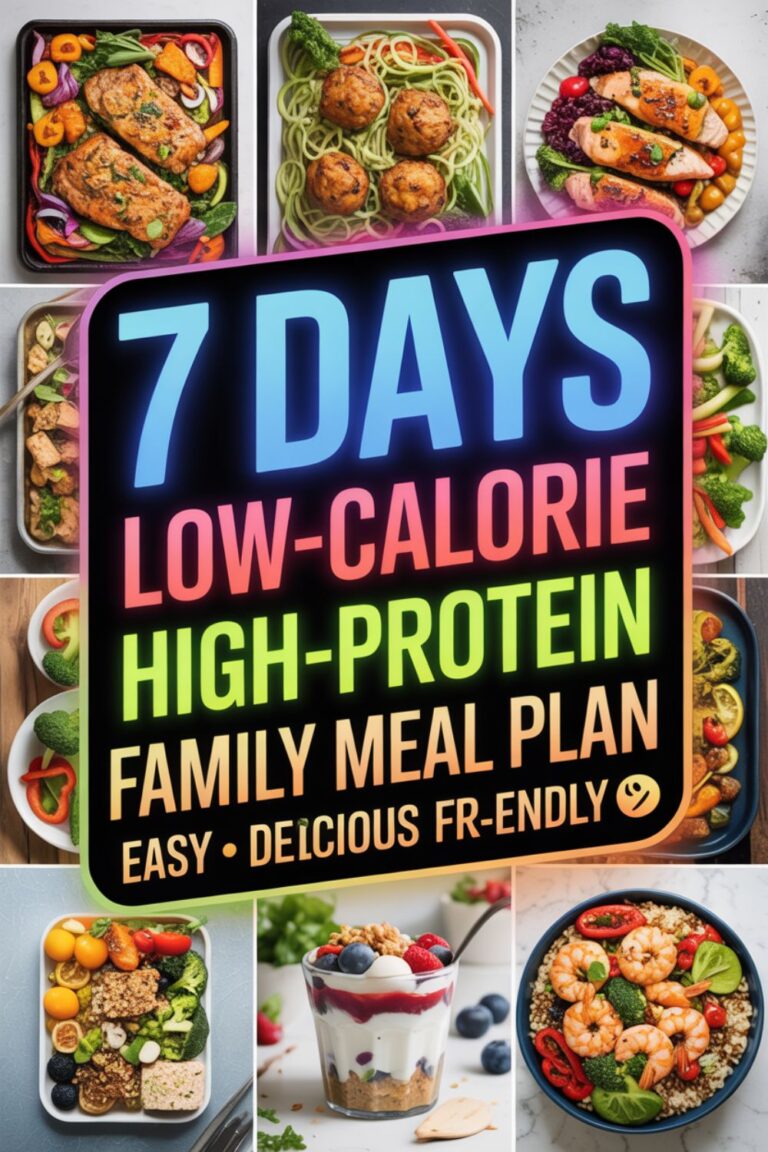
If you’re hosting regularly or just want to stay consistent with protein-forward eating between gatherings, a structured weekly meal prep plan is genuinely useful. This weekly high-protein low-calorie meal prep guide is a solid place to start. -
30-Day High-Protein Reset Plan
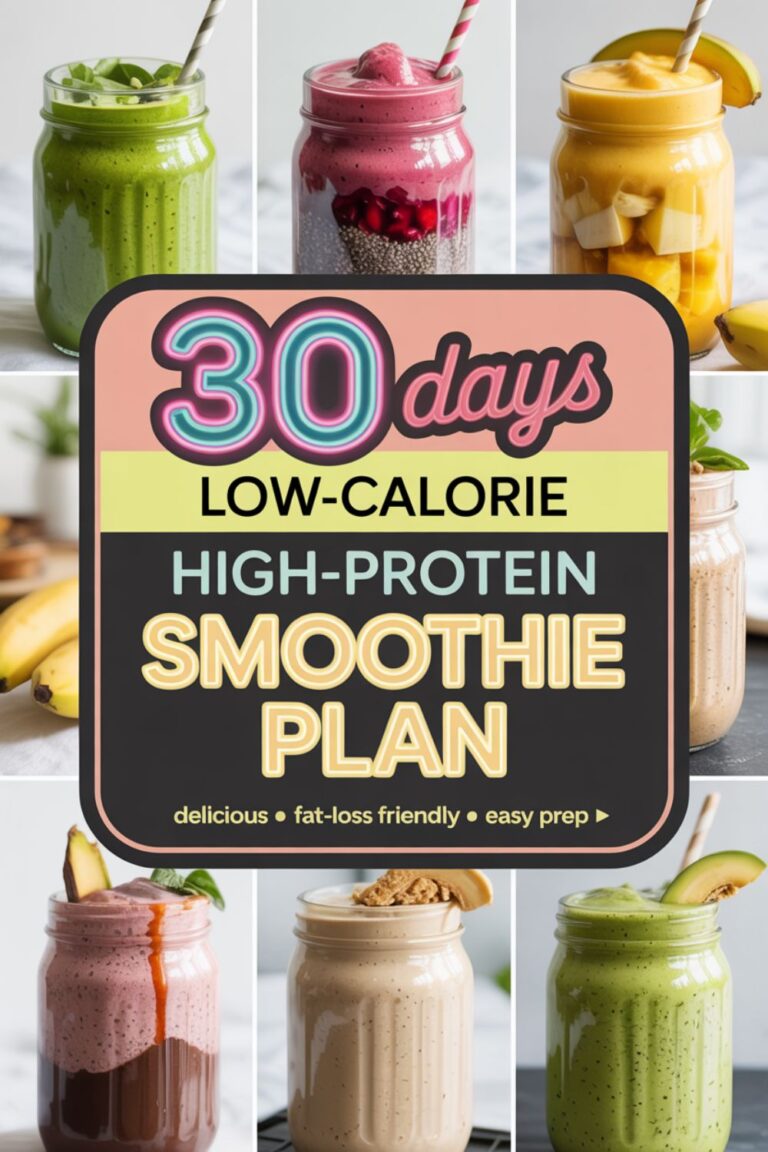
For when hosting season is over and you want to reset. A structured 30-day plan removes the daily decision fatigue that kills most eating intentions. Check out the 30-day high-protein low-calorie reset plan for a framework that actually holds together. -
Macro-Friendly Recipe Collection
If you’re tracking macros and don’t want to lose the thread while cooking for others, these macro-friendly low-calorie recipes that don’t taste like punishment are a genuinely useful reference — especially for guests who are eating thoughtfully.
Lighter Options for a Grazing Table or Cocktail Hour
19. Prosciutto-Wrapped Melon with Mint
Sweet cantaloupe, thin prosciutto, and fresh mint is one of those combinations that sounds overly simple until you actually taste it. The salt-fat-sweet contrast is almost perfect, and each piece is genuinely protein-forward thanks to the prosciutto. Make them in advance and keep refrigerated under a damp paper towel until ready to serve. They disappear fast. That is your only warning.
20. Deviled Eggs with Smoked Paprika and Pickled Shallots
Deviled eggs are experiencing a well-deserved comeback in serious home cooking circles, and IMO they belong on every hosting table. The base recipe — hard-boiled yolks, mayo, mustard, a splash of vinegar — is endlessly riffable. Add smoked paprika to the filling and top with a quick-pickled shallot for a version that feels fresh and modern rather than retro. Two halves carry about 6 grams of protein, and they’re always the first thing gone from any spread I’ve put them on.
21. Chicken and Veggie Skewers with Peanut Sauce
Marinated chicken breast, bell peppers, red onion, and zucchini on skewers with a deeply flavored peanut dipping sauce is one of those apps that crosses the line from snack to actual food without anyone noticing or caring. The peanut sauce — peanut butter, soy sauce, rice vinegar, ginger, garlic, a little sesame oil — is made in a bowl in five minutes and will get requested every time you make it. Note: if you have guests with nut allergies, a sunflower seed butter-based version works just as well and no one will know the difference.
If you want to explore more protein-rich snack and appetizer ideas that scale to a group, these low-calorie protein snacks you can make at home have a lot of overlap with what works on a hosting table.
22. Tuna Tartare on Wonton Crisps
This is the one that gets the most attention at a gathering. Sushi-grade tuna, finely diced and dressed with sesame oil, soy, lime juice, scallions, and a small amount of sriracha, served on a crispy baked wonton square — it looks like restaurant food and takes about twenty minutes to put together. The protein content is significant, the presentation is dramatic, and it’s naturally gluten-friendly if you substitute the wonton crisps with cucumber rounds. Keep the tuna cold until the moment it goes out.
The Dessert That Earns Its Spot
23. Greek Yogurt Panna Cotta with Honey and Pistachios
A panna cotta made with Greek yogurt instead of just heavy cream delivers a tangy, lighter texture and a surprisingly significant protein contribution for what is technically dessert. Set it in individual glasses the day before, refrigerate overnight, and serve topped with a drizzle of warm honey and a handful of chopped toasted pistachios. It looks beautiful, it’s genuinely make-ahead, and it’s the kind of dessert that makes people pause for a moment before saying anything. That pause is the compliment. Get Full Recipe
I served the yogurt panna cotta at a dinner party where honestly half the table was skeptical of protein-forward desserts. Not a single one was left by the end of the night. One of my guests called it the best dessert she’d had all year. I’m still a little smug about it.
— Kevin R., reader from the FullTaste community
For any panna cotta or gelatin-set dessert, bloom your gelatin in cold water for exactly five minutes before adding it to warm liquid. Under-bloomed gelatin doesn’t fully dissolve and you’ll end up with a weird texture. Five minutes, cold water, every time.
The Science Behind Why These Meals Actually Work
It’s worth spending a moment on why protein-forward hosting menus tend to feel better for everyone involved, not just as ideology but as practical physiology. Research published in Food and Chemical Toxicology confirms that for people engaged in moderate physical activity, a daily protein intake of around 1.3 grams per kilogram of body weight supports muscle maintenance and sustained energy — and that effect begins at the meal level. When your hosting menu is anchored in quality protein sources like chicken, fish, eggs, and legumes, you’re not just serving good food, you’re genuinely doing something for the people at your table.
The research on satiety is equally interesting. Protein is more satiating per calorie than either carbohydrates or fats, which is why a protein-forward meal keeps people satisfied through the evening rather than hungry again an hour after dinner. For a host, that’s a quiet win — your guests feel well cared for in a way they might not be able to articulate, but they’ll definitely remember how they felt leaving your table.
All 23 High-Protein Hosting Recipes at a Glance
Greek Yogurt Dip with Crudites~14g protein per serving
Mini Turkey Frittata Bites~11g protein per 2 bites
Smoked Salmon Cucumber Rounds~9g protein per 4 rounds
Edamame Hummus & Seed Crackers~10g protein per serving
Harissa Chicken Thighs~32g protein per serving
Lemon-Herb Sheet Pan Salmon~38g protein per serving
Turkey Meatball Bar~28g protein per serving
Grilled Steak Skewers + Chimichurri~35g protein per serving
Greek Chicken Bowls~40g protein per bowl
Moroccan Lamb Kofta~26g protein per serving
White Bean & Chicken Sausage Cassoulet~29g protein per serving
Shakshuka with Feta & Dukkah~18g protein per serving
Smashed Avo Toast Board + Soft Eggs~22g protein per build
Egg White Frittata with Gruyere~20g protein per wedge
Cottage Cheese Pancakes~16g protein per 2 pancakes
Quinoa Tabbouleh with Chickpeas~14g protein per serving
Lentil Salad with Beets & Goat Cheese~19g protein per serving
Caprese Stack with Prosciutto~12g protein per serving
Prosciutto-Wrapped Melon~8g protein per 4 pieces
Deviled Eggs with Smoked Paprika~6g protein per 2 halves
Chicken Skewers with Peanut Sauce~27g protein per serving
Tuna Tartare on Wonton Crisps~22g protein per serving
Greek Yogurt Panna Cotta~11g protein per dessert
Frequently Asked Questions
Can I make high-protein hosting recipes ahead of time?
Most of these recipes are designed with make-ahead hosting in mind. The frittatas, meatballs, cassoulet, panna cotta, deviled eggs, and marinades for grilled proteins can all be fully or partially prepped one to two days ahead. The key is storing proteins properly — covered, refrigerated, and away from raw produce. Day-of cooking is best reserved for anything that requires last-minute heat or fresh assembly, like the tuna tartare or the smashed avo board.
How much protein should I aim for per person at a hosting meal?
For a casual gathering where guests are eating a full spread, aiming for at least 25–35 grams of protein available per person across the meal (apps, mains, sides) is a reasonable target. This aligns with current guidance suggesting that meals containing roughly 25–30 grams of high-quality protein support satiety and muscle protein synthesis effectively in healthy adults. The good news is that if you build your menu from this list, hitting that range happens naturally without any calculation.
Are these high-protein hosting recipes suitable for guests who don’t eat red meat?
The majority of the 23 recipes here work beautifully without red meat. The shakshuka, Greek yogurt dip, frittatas, cottage cheese pancakes, lentil salad, quinoa tabbouleh, edamame hummus, salmon sheet pan, smoked salmon rounds, and panna cotta are all completely red-meat-free. The chicken and turkey dishes cover the middle ground. For a fully plant-based gathering, the high-protein vegan meal ideas here expand your options significantly.
What’s the best way to scale these recipes for a large group of 15 or more?
Sheet pan recipes and slow-cooked dishes like the cassoulet scale most easily — just use multiple pans or a larger pot and adjust cooking time accordingly. The meatball bar and bowl formats are naturally suited to large groups because guests self-serve. For skewer-based recipes, factor in additional grill time and work in batches rather than crowding the grill, which drops the temperature and costs you the sear. For a comprehensive guide to large-batch cooking, the 30 high-protein meals built for meal prep have scaling notes throughout.
How do I keep hot dishes warm during a long hosting event without drying them out?
The best approach depends on the dish. Braised and sauced items like the cassoulet and harissa chicken hold beautifully in a low oven (around 250°F) covered in their own liquid. Frittatas hold at room temperature for up to an hour without any quality loss. For grilled proteins, tent loosely with foil and plan to serve them in two rounds rather than all at once — the second batch is always better than an over-rested first batch anyway.
The Bottom Line on High-Protein Hosting
The best hosting food is food that makes people feel good — during the meal and after it. That’s the quiet argument for building your menu around quality proteins: it’s not about restriction or tracking, it’s about cooking food that’s genuinely satisfying in the way that matters most. The recipes in this list cover every format a hosting situation calls for, from a single app that disappears in twenty minutes to a main course that anchors an entire evening.
Pick two or three recipes that excite you and build outward from there. Do as much ahead as you reasonably can. And if anyone asks why everything tasted so good and left them actually satisfied, just smile and say you paid attention to the protein. They’ll have follow-up questions. You’ll have answers.
30-Day High-Protein
Low-Calorie Meal Plan
Every breakfast, lunch, dinner & snack — all 30 days fully mapped out. Just follow the plan.
- ✓50+ complete recipes with ingredients & step-by-step instructions
- ✓4-week day-by-day plans — every meal for all 30 days
- ✓4 weekly shopping lists organised by store section
- ✓Printable habit & progress tracker — 30 full days
- ✓100g+ protein per day — scientifically optimised macros
Instant PDF · Print at home
Results guaranteed with consistency