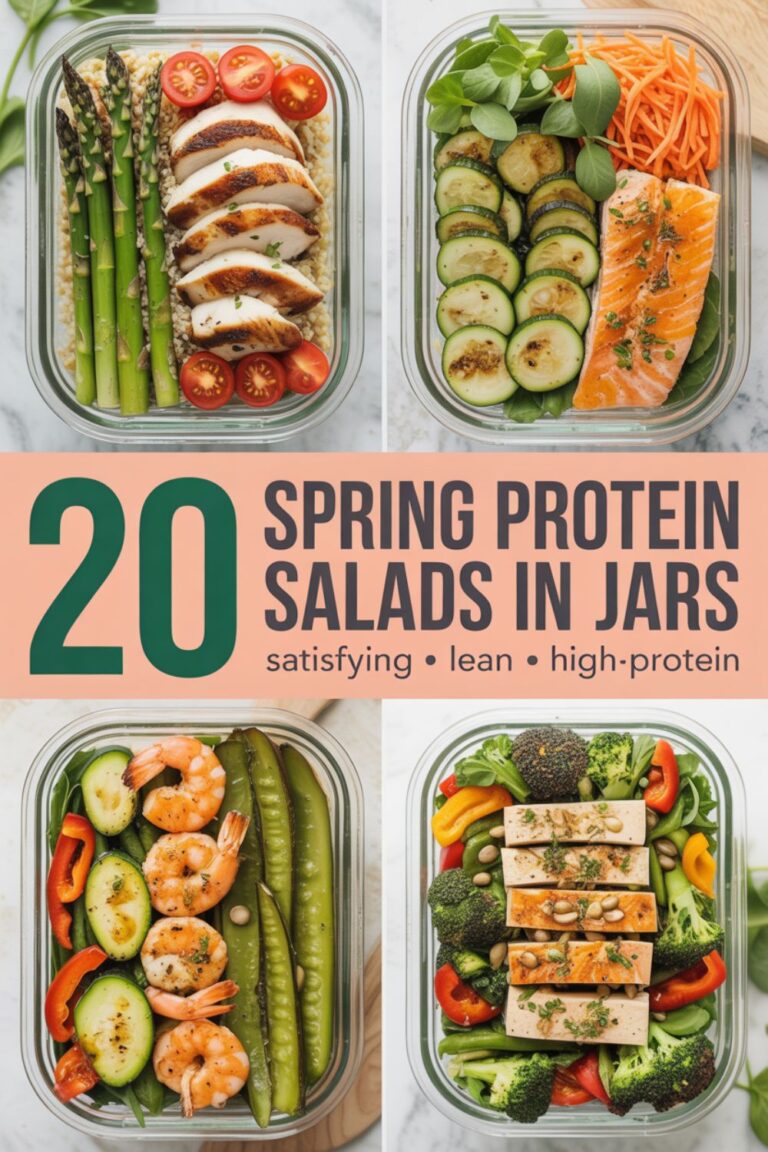
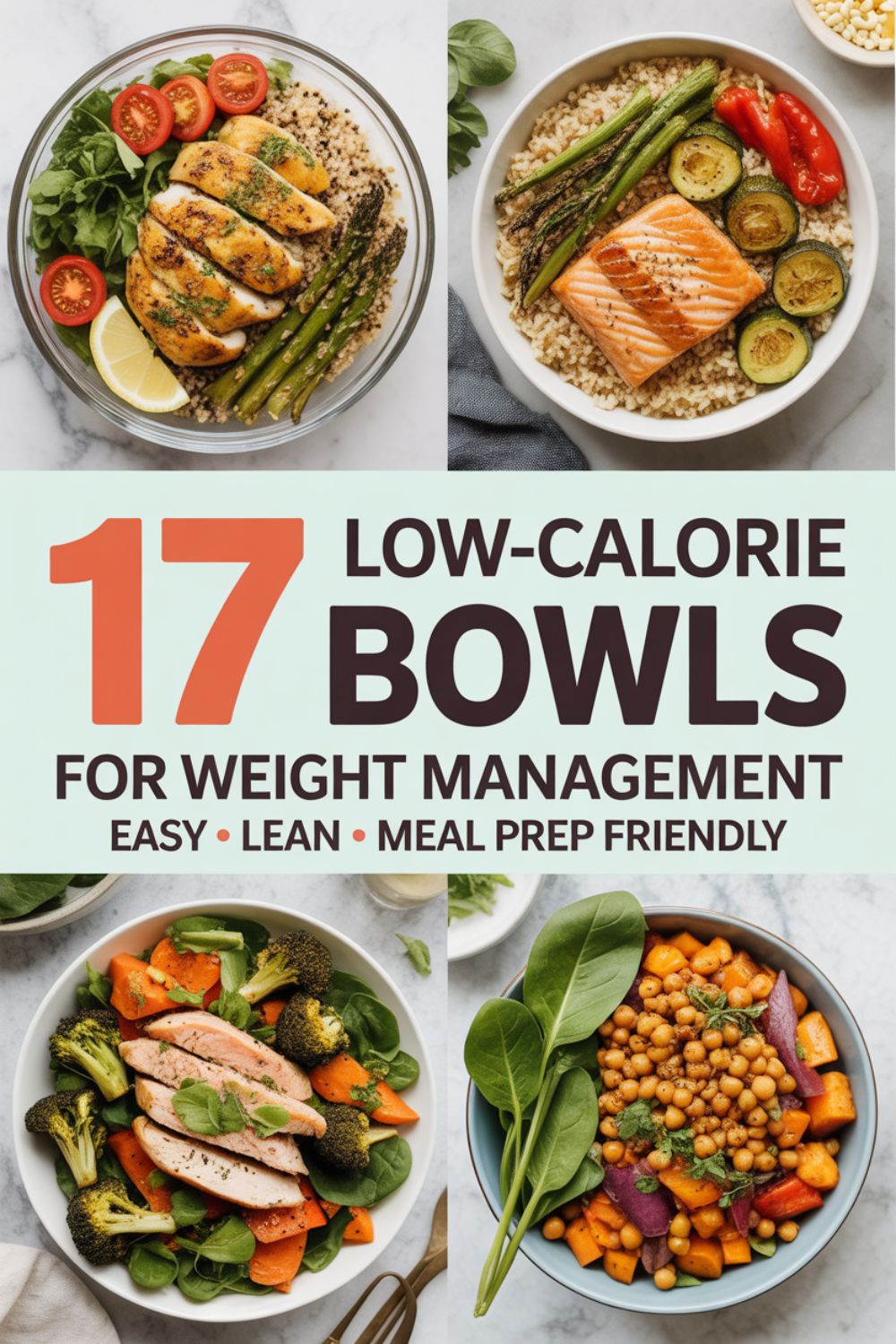
17 Low-Calorie Bowls for Weight Management
Filling, flavorful, and actually worth looking forward to — every single one of them.
Let me tell you something nobody says enough about weight loss: the food does not have to be miserable. We have collectively accepted this weird narrative where eating for your goals means choking down watery soups and pretending a wedge of iceberg lettuce is a “meal.” It is not. And you deserve better.
Bowls changed how I cook. There is something about building a meal layer by layer — a grain base, a lean protein, roasted vegetables, a punchy sauce — that turns a simple Tuesday lunch into something you actually look forward to. And when you keep the calories in check without sacrificing volume or satisfaction, that is when things really click.
These 17 low-calorie bowls are what I reach for when I want to stay on track without feeling like I am being punished. Most land between 300 and 450 calories, pack in a solid amount of protein, and take 30 minutes or less to pull together. No sad food. No flavor-free zones. Just real, good eating that happens to support your goals.
Why Bowls Work So Well for Weight Management
Here is the thing about bowl meals: they are structurally built for portion control without making you feel like you are measuring every gram. When you start with a base of greens or a whole grain, add a protein, and layer in vegetables, you automatically create a meal with volume, fiber, and staying power. That combination is exactly what nutrition research on optimal weight-loss strategies consistently points to — higher protein and fiber intake working together to reduce total energy intake without hunger spiking back up two hours later.
Compare that to, say, eating the same calorie count from a fast-food burger. Both might have 400 calories on paper, but one leaves you scrounging through the pantry at 3pm and one does not. Volume matters. Fiber matters. And bowls, almost by design, deliver both.
Another reason bowls win: they are endlessly adaptable. You can swap proteins based on what is in your fridge, change up the grain, throw in whatever vegetables look best that week. If you are already cooking from resources like 25 Low-Calorie High-Protein Bowls You Can Prep Ahead, you already know how easy it is to scale this approach into a full week’s worth of meals.
Prep your grain base on Sunday — cook a big batch of brown rice, quinoa, or farro and portion it into containers. Having a ready base cuts your weeknight assembly time down to ten minutes flat.
The Bowls: Recipes 1 Through 6
Teriyaki Chicken Rice Bowl
Thinly sliced chicken thigh — not breast, because thigh is juicier and more forgiving — marinated in a lightened teriyaki sauce and served over brown rice with steamed broccoli and shredded carrots. This is the bowl that converts people. The sauce does all the heavy lifting on flavor, and the whole thing takes 25 minutes start to finish.
34g protein
38g carbs
8g fat
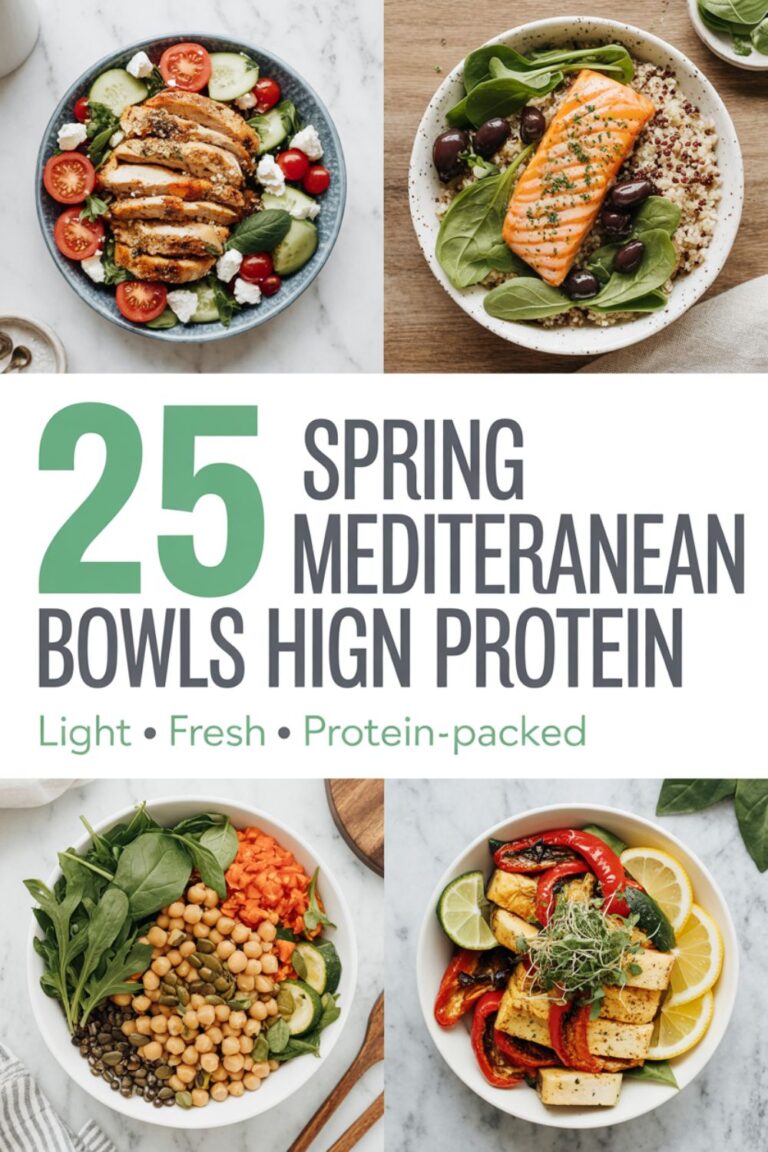
Greek Chicken Quinoa Bowl
Grilled lemon-herb chicken over quinoa with cucumber, cherry tomatoes, kalamata olives, and a small dollop of tzatziki. The quinoa pulls double duty here — it is technically a complete protein on its own, which means this bowl is doing a lot of nutritional work in a small package. Great for quick high-protein lunches you can pack ahead.
36g protein
32g carbs
9g fat
Miso Salmon Soba Bowl
A quick-broiled miso-glazed salmon fillet over chilled soba noodles with edamame, shaved cucumber, and pickled daikon. The miso glaze takes literally two minutes to mix together, and it makes the salmon taste like something from a restaurant. Salmon brings a solid dose of omega-3 fatty acids alongside its protein, making this one of the smartest bowls on this list from a nutritional standpoint.
38g protein
35g carbs
12g fat
Spicy Shrimp Cauliflower Rice Bowl
Blackened shrimp over cauliflower rice with black beans, corn, red onion, and a light lime crema made from low-fat Greek yogurt. If you have not fully committed to cauliflower rice yet, this is the recipe that will do it — the bold spice rub on the shrimp means the base gets to play a supporting role rather than trying to taste like actual rice. IMO this is the best low-carb swap in the entire bowl game.
32g protein
22g carbs
7g fat
Turkey Taco Bowl
Lean ground turkey seasoned with cumin, smoked paprika, and a touch of chipotle over brown rice, with pico de gallo, black beans, shredded romaine, and a squeeze of fresh lime. This one is genuinely crowd-pleasing — even people who are not paying attention to calories will eat it happily. Keep a batch of the seasoned turkey in your fridge and bowls assemble in under five minutes all week.
35g protein
40g carbs
9g fat
Roasted Veggie and Chickpea Farro Bowl
Farro — the underrated king of whole grains — topped with oven-roasted zucchini, red peppers, red onion, and crispy spiced chickpeas. A drizzle of tahini thinned with lemon juice and a little garlic ties it together. This one is fully plant-based and genuinely filling, which is always worth noting. For more ideas like this, the 25 High-Protein Vegan Meals collection has some great options alongside this.
17g protein
52g carbs
8g fat
Bowls 7 Through 12: Where Things Get Interesting
This is the stretch of the list where the flavors start getting a little more adventurous. Still practical, still totally makeable on a Tuesday, but with a bit more personality. Ready?
Peanut Tofu Buddha Bowl
Baked crispy tofu over a base of brown rice and shredded red cabbage, topped with matchstick carrots, sliced cucumber, green onions, and a peanut sauce made with natural peanut butter, rice vinegar, low-sodium soy sauce, and ginger. The tofu crisps up beautifully at 425°F for 25 minutes if you press it properly first. Speaking of which, a good tofu press is one of those tools you use every single week once you buy it — skip the paper towel method entirely.
21g protein
42g carbs
12g fat
Korean-Inspired Ground Beef Bowl
Extra-lean ground beef cooked with garlic, ginger, soy sauce, sesame oil, and a touch of brown sugar — served over steamed white rice with a soft-cooked egg, kimchi, sliced cucumber, and shredded napa cabbage. The kimchi does double duty: it adds flavor and provides gut-healthy probiotics, which emerging research keeps linking to better weight management outcomes. Plus, honestly, it just tastes incredible.
38g protein
36g carbs
11g fat
Harissa White Bean Bowl
Canned white beans warmed in harissa paste with diced tomato and garlic, served over wilted spinach and topped with a soft-boiled egg and a handful of fresh parsley. This one takes about 15 minutes total and has a wonderful North African warmth to it. White beans are one of the most underused high-fiber, high-protein pantry items in most people’s kitchens — and they pair with harissa like they were made for each other.
22g protein
46g carbs
7g fat
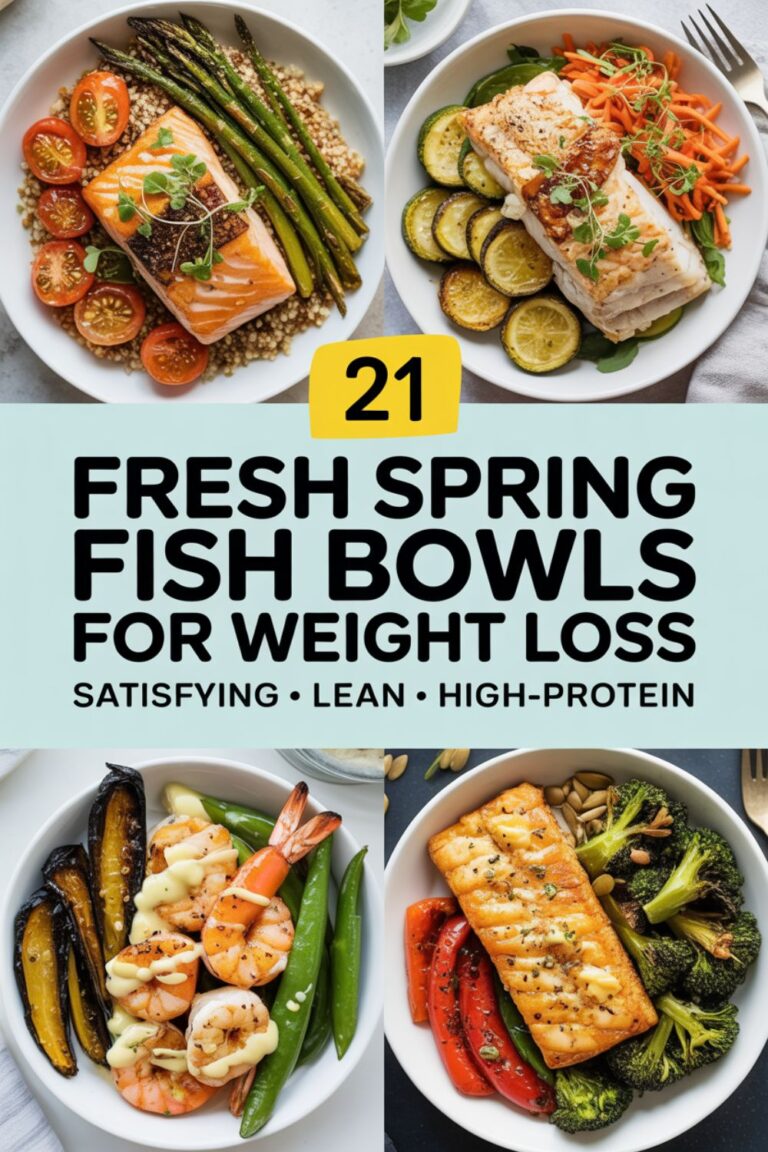
Lemon Herb Cod Bowl
Pan-seared cod over herbed couscous with roasted asparagus, halved cherry tomatoes, and a bright lemon-caper sauce. Cod is one of those lean proteins that feels a little fancy without requiring any effort — it cooks in about 8 minutes. I keep a stainless steel fish spatula specifically for this because trying to flip delicate fish with a regular spatula is a recipe for a very disappointing dinner.
36g protein
38g carbs
6g fat
“I started making these bowls on Sunday and stopped ordering lunch at work. Down 14 pounds in two months and I genuinely look forward to eating, which has never happened before on a diet.”
— Marcus T., community member
Thai-Inspired Chicken Noodle Bowl
Thin rice noodles topped with sliced poached chicken, bean sprouts, shredded carrots, fresh mint, basil, a handful of crushed peanuts, and a light fish sauce-lime dressing. The key here is the dressing balance: lime juice, fish sauce, a little honey, fresh chili. Get that right and the whole bowl sings. For anyone prepping lunches ahead of time, check out these 25 easy low-calorie high-protein lunches for more ideas in this lane.
33g protein
40g carbs
8g fat
Beet, Goat Cheese, and Walnut Farro Bowl
Roasted beets, crumbled goat cheese, candied walnuts, and arugula over warm farro with a honey-balsamic drizzle. This one feels more like a restaurant salad than a diet meal, and that is entirely the point. Walnuts are worth noting here: they provide a different fatty acid profile compared to, say, almonds — higher in ALA omega-3s, which makes them a genuinely useful addition to an anti-inflammatory eating style. A small handful goes a long way.
15g protein
44g carbs
13g fat
Use a sheet pan to roast proteins and vegetables simultaneously. Line it with a quality silicone baking mat and you can roast two or three bowl components at once — 425°F, 20-25 minutes, zero sticking, and barely any cleanup. It is the single biggest meal prep time-saver I know.
Bowls 13 Through 17: The Power Lineup
The final five bowls in this collection lean into bold flavors and serious satiety. These are the ones you make when you want to feel full for a genuinely long time — not just until 2pm. Each one prioritizes protein and fiber together, which research consistently shows is the most effective combination for appetite management.
Egg and Sweet Potato Breakfast Bowl
Roasted sweet potato cubes, two soft-scrambled eggs, turkey sausage crumbles, sautéed kale, and a little hot sauce over a small base of cooked farro. This is technically a breakfast bowl, but calling it off-limits for lunch would be silly — it works any time of day. For more ideas in this space, the 15 Low-Calorie High-Protein Breakfast Bowls for Busy Mornings collection is worth bookmarking.
28g protein
38g carbs
10g fat
Mediterranean Tuna and Cannellini Bowl
Wild-caught tuna (the good stuff in olive oil, not the dry water-packed kind) mixed with cannellini beans, diced cucumber, olives, sun-dried tomatoes, and a lemon-herb vinaigrette, served over greens. Zero cooking required. Seriously — just open, mix, drizzle, and eat. It is the kind of meal you are grateful for at 12:30 on a Thursday when you have zero bandwidth. FYI: albacore tuna has a higher protein density per calorie than even chicken breast.
38g protein
26g carbs
8g fat
Smashed Cucumber and Edamame Soba Bowl
Chilled soba noodles with shelled edamame, smashed cucumbers (yes, you smash them — it sounds weird, it works great), shredded nori, sesame seeds, and a sesame-ginger dressing. This is a fantastic meatless option that still manages to hit 20g of protein without any fuss. For a full week built around meals like this, the 7-Day High-Protein Low-Calorie Vegetarian Meal Plan maps it all out for you.
20g protein
46g carbs
7g fat
Blackened Chicken and Corn Salsa Bowl
Spice-crusted blackened chicken thigh sliced over a base of cilantro-lime rice, with charred corn salsa, black beans, avocado slices, and a squeeze of lime. The “blackened” technique sounds fancier than it is — you just press a spice rub firmly into the chicken and cook it in a very hot pan for about 5-6 minutes per side. A good cast iron skillet is ideal for this, and it produces that gorgeous crust every time. This bowl genuinely does not taste like diet food, which is the whole point.
39g protein
42g carbs
11g fat
High-Protein Green Goddess Bowl
A base of massaged kale and baby spinach topped with grilled chicken, quinoa, sliced avocado, soft-boiled egg, pumpkin seeds, and a green goddess dressing made with Greek yogurt, fresh herbs, lemon, and garlic. This one is the nutritional MVP of the list — the combination of complete proteins from both the chicken and the quinoa, plus the healthy fats from the avocado and seeds, makes it incredibly satisfying at under 440 calories. It also photographs beautifully, for what it is worth.
42g protein
34g carbs
14g fat
“The green goddess bowl alone convinced me meal prepping was worth the Sunday effort. I make a batch every week now and I have not eaten out for lunch in six weeks.”
— Priya M., community member
Meal Prep Essentials Used in This Collection
These are the tools and resources that make building bowls like these feel genuinely easy — not in a sponsored-post kind of way, just the stuff that actually gets used every week.
Kitchen Tools
Digital Resources
The Formula Behind Every Bowl on This List
Every single bowl above follows the same loose framework, which is good news because it means you can riff on any of them and still land somewhere good. Here is the structure:
- Base (1/4 to 1/3 of bowl): Brown rice, quinoa, farro, soba noodles, cauliflower rice, or leafy greens. This controls your carbohydrate portion without eliminating it entirely.
- Protein (the biggest layer): Chicken thigh or breast, salmon, shrimp, cod, lean ground beef or turkey, tofu, or legumes. Target 28-40g per bowl.
- Vegetables (fill the bowl): Roasted, raw, pickled, or steamed — the more variety the better. These add volume, fiber, and the micronutrients that make the difference between eating well and just eating less.
- Fat source (small but important): Avocado, a handful of nuts, a drizzle of tahini or olive oil. Healthy fats slow digestion and contribute to that genuine fullness that lasts through the afternoon.
- Sauce (flavor anchor): This is where the bowl lives or dies. Keep it punchy, keep it portioned. Most of these recipes use 2-3 tablespoons of sauce — enough to coat, not enough to drown.
One thing worth addressing: people sometimes assume plant-based proteins are nutritionally inferior to animal ones for weight loss purposes. That comparison is more nuanced than it sounds. Chicken breast delivers all essential amino acids in a dense package; so does quinoa, and so does edamame. The distinction is more about overall protein-per-calorie ratios and digestibility than any sweeping category comparison. Mixing plant and animal sources throughout your week — as most of these bowls do — is honestly the most practical approach for most people.
Batch-cook three proteins on Sunday — a simple roasted chicken, a pot of hard-boiled eggs, and a can of rinsed chickpeas ready to crisp in a hot pan. With those three in the fridge, you can assemble any bowl on this list in under 10 minutes all week long.
Making These Work for Real-Life Meal Prep
Talking about 17 bowls is one thing. Pulling them off between work, laundry, and the general chaos of being a person is another. Here is what actually makes this sustainable.
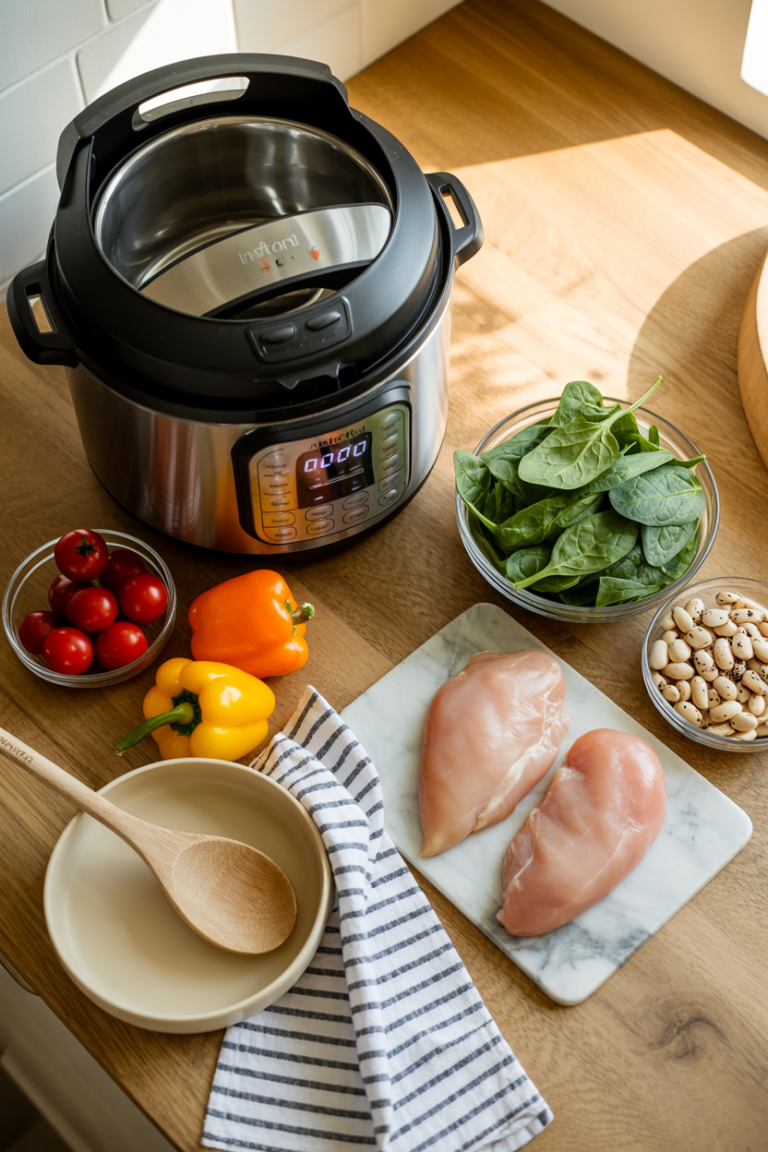
The biggest lever you can pull is the Sunday grain cook. A rice cooker or Instant Pot removes essentially all effort from this step — you add grain, add water, walk away. If you are not already using your Instant Pot for things like this, the 25 Low-Calorie High-Protein Instant Pot Recipes collection shows just how much cooking you can offload to it.
Sauces are the second prep priority. Most of the dressings and sauces in these bowls take 5 minutes to mix and last 5-7 days in the fridge. Make two or three on Sunday and your entire flavor situation is handled for the week. I use a set of small glass jar containers specifically for sauce storage — they seal well, pour cleanly, and do not absorb flavors the way plastic does after a few days.
Third: invest in good meal prep containers. This sounds trivial but it genuinely affects whether you actually eat the food you prepared. If pulling out a sad, leaking container from the back of the fridge is the experience, you will order takeout instead. A set of compartmentalized glass meal prep containers keeps each bowl component separate until you are ready to eat — meaning your greens stay crisp, your sauce stays off the rice, and the whole thing actually looks like the bowl you intended when you assemble it at lunch.
The 18 High-Protein Meal Prep Ideas for Athletes collection is also worth a look if you are cooking for bigger portions or adding more deliberate calorie structure around workouts.
Store your bowl components in separate containers and only combine them when you eat. This preserves texture for up to four days and makes the whole prep-ahead approach actually enjoyable rather than a sad-lunch situation.
Frequently Asked Questions
How many calories should a weight-loss bowl have?
Most of the bowls in this collection land between 305 and 450 calories, which is a solid range for a satisfying main meal that still creates a calorie deficit for most people. The key is pairing calorie control with high protein and fiber — both of which keep hunger from spiking between meals. A bowl at 400 calories with 35g of protein will outperform a bowl at 300 calories with 10g of protein every time in terms of how full you actually feel.
Can I meal prep these bowls more than a day in advance?
Absolutely — most of these hold well for 3 to 4 days when stored with the wet ingredients (sauces, dressings, avocado) kept separate. The soba and rice-based bowls tend to keep better than the ones with delicate greens as a base, though if you massage the kale first it holds up surprisingly well. For a fully mapped-out approach, the 14-Day Low-Calorie High-Protein Meal Prep Plan gives you a complete schedule.
What is the best grain base for weight loss bowls?
Quinoa and farro are the strongest choices nutritionally — both deliver more protein and fiber per serving than white rice, and both have a lower glycemic response, meaning they keep blood sugar steadier after eating. Brown rice is a close and more budget-friendly runner-up. Cauliflower rice is the right call if you specifically want to reduce carbohydrate load while keeping meal volume high.
Are there good plant-based protein options for these bowls?
Several of the bowls here are already fully or mostly plant-based — the roasted chickpea farro bowl, the harissa white bean bowl, the peanut tofu bowl, and the edamame soba bowl are all solid examples. Chickpeas, white beans, edamame, tofu, and quinoa are the most reliable plant-based proteins for bowls because they hold up well to the components around them without going mushy. The 25 High-Protein Low-Calorie Vegan Meals collection expands on this significantly.
How much protein do I actually need in a weight-loss meal?
Most research suggests somewhere between 25 and 40 grams of protein per main meal to meaningfully support both satiety and muscle retention during a calorie deficit. The bowls in this collection are specifically built around that target — most hit between 28 and 42 grams per serving. If you want to build your eating around this more deliberately, the 17 Low-Calorie Meals with 30g of Protein is a good companion resource.
The Bottom Line
Weight management does not require miserable eating. These 17 bowls exist because the best dietary approach is the one you actually stick to — and it is a lot easier to stick to eating well when you are genuinely looking forward to your meals.
Build your base, load up on protein and vegetables, keep the sauce smart, and stop pretending that a calorie deficit has to mean a flavor deficit. Pick two or three bowls from this list to start, prep your components on Sunday, and see how different the week feels when lunch is something you actually want to eat.
That is the whole strategy. Simple, flexible, and — if these bowls are any indication — genuinely delicious.
30-Day High-Protein
Low-Calorie Meal Plan
Every breakfast, lunch, dinner & snack — all 30 days fully mapped out. Just follow the plan.
- ✓50+ complete recipes with ingredients & step-by-step instructions
- ✓4-week day-by-day plans — every meal for all 30 days
- ✓4 weekly shopping lists organised by store section
- ✓Printable habit & progress tracker — 30 full days
- ✓100g+ protein per day — scientifically optimised macros
Instant PDF · Print at home
Results guaranteed with consistency