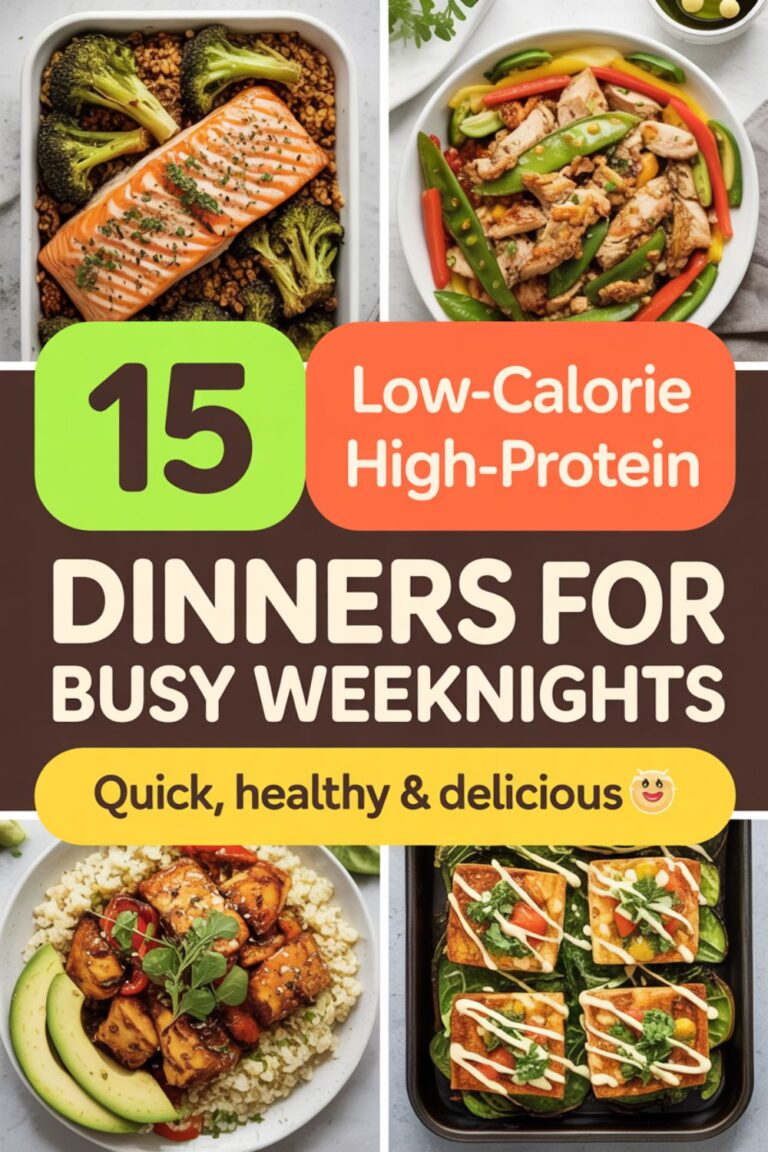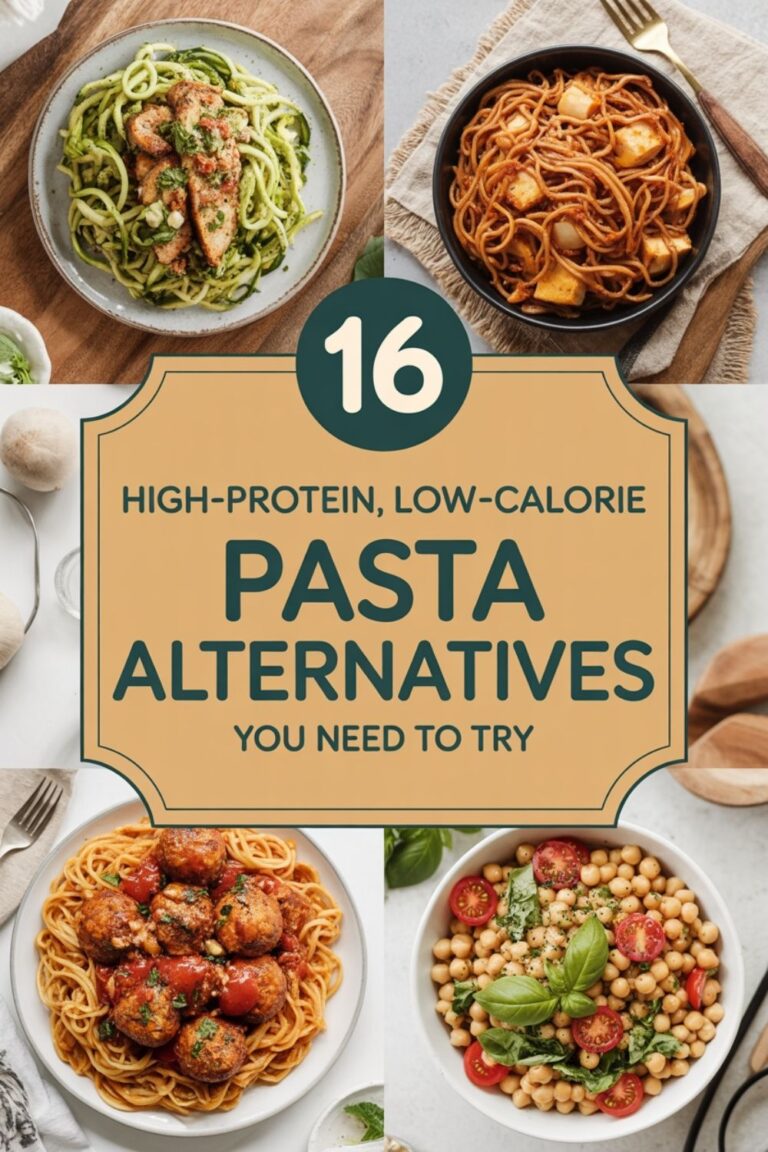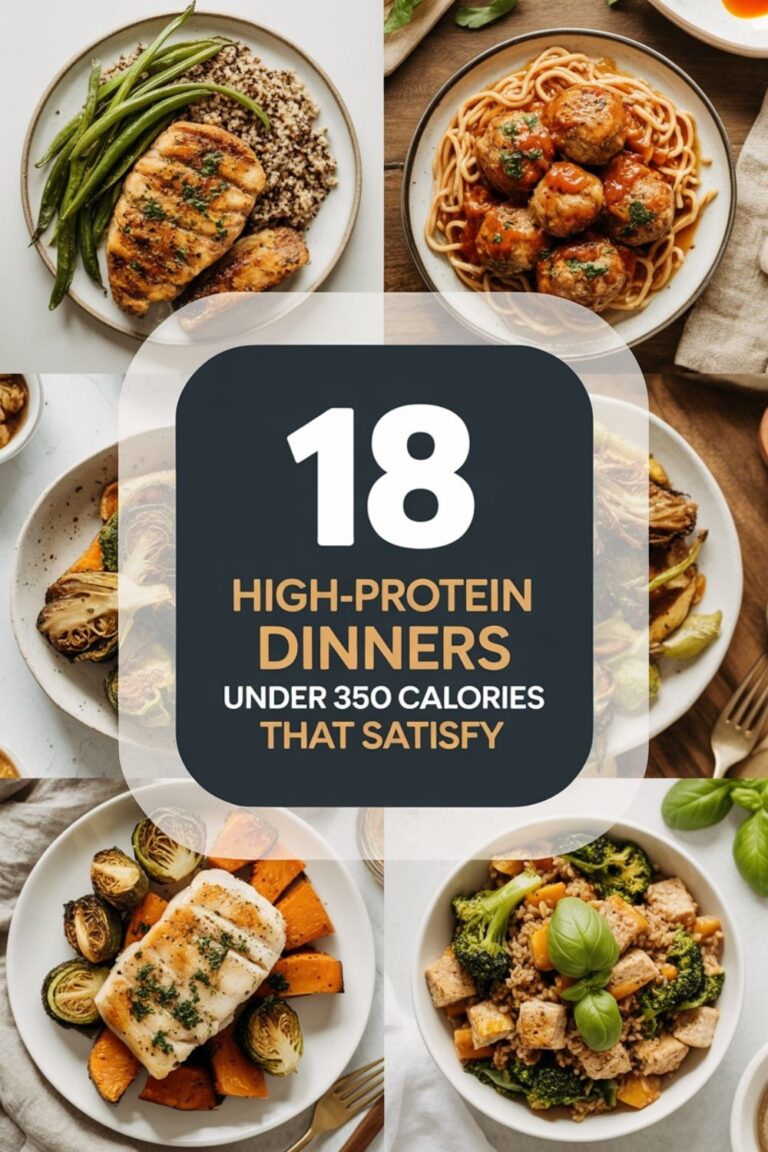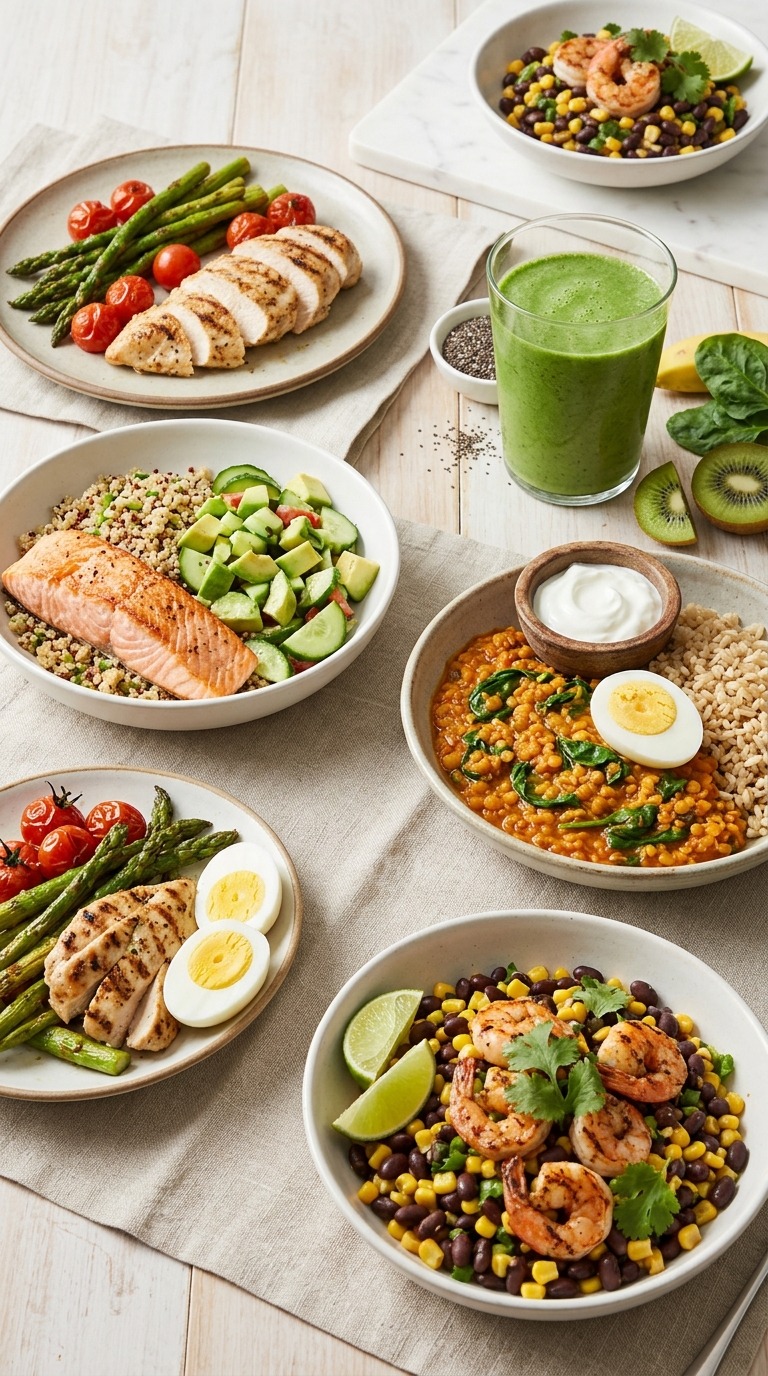
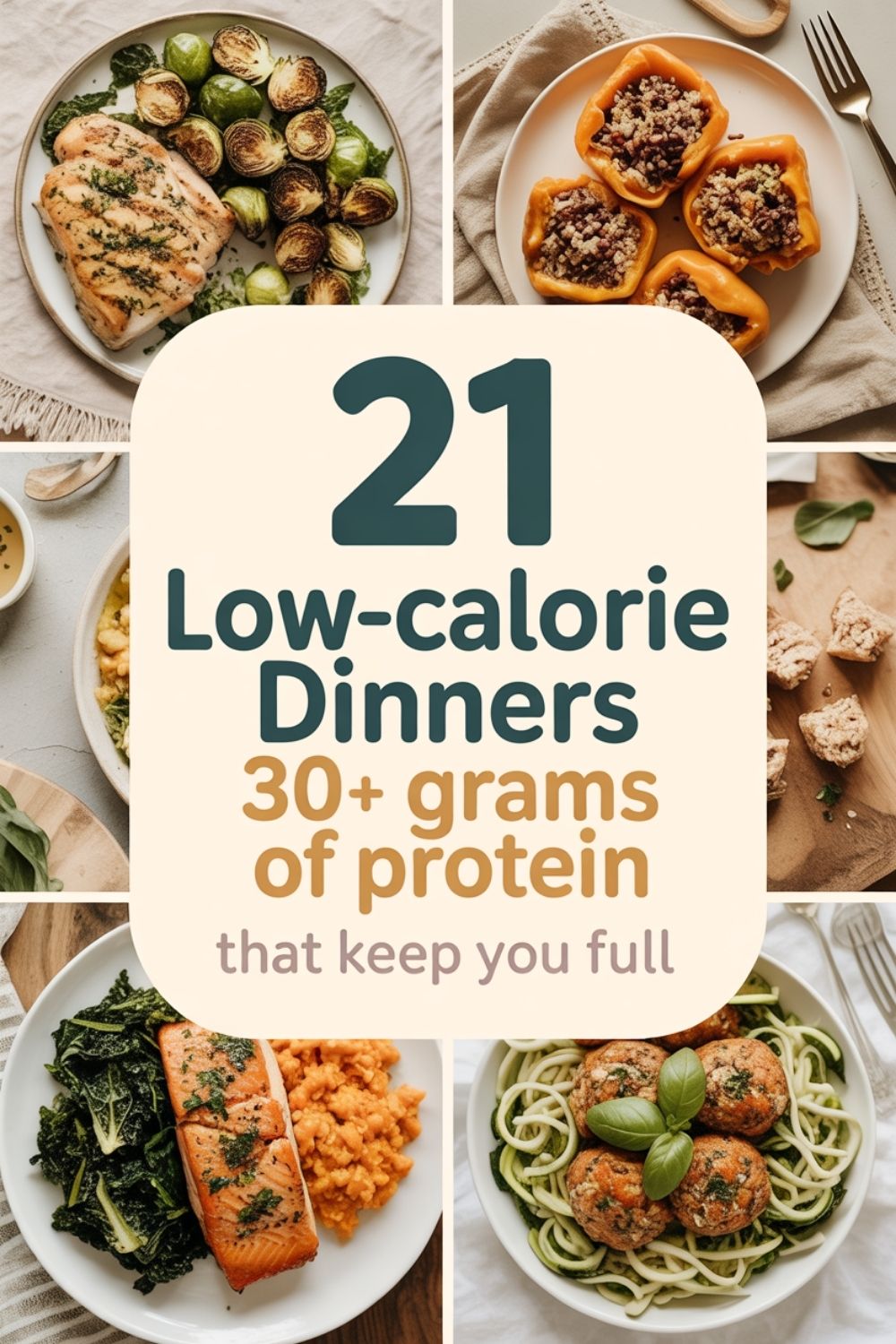
21 Low-Calorie Dinners with 30+ Grams of Protein
Look, I’m not going to sugarcoat it—finding dinners that are both low in calories and packed with protein feels like hunting for a unicorn sometimes. You want something that actually fills you up, tastes like real food, and doesn’t leave you raiding the fridge at 10 PM. Been there, done that, got the empty snack wrappers to prove it.
Here’s the thing though: hitting that sweet spot of 30+ grams of protein while keeping calories in check isn’t just some fitness bro fantasy. It’s actually doable, and I’m about to show you exactly how. Whether you’re trying to lose weight, build muscle, or just feel less like a hangry monster by bedtime, these 21 dinners are going to be your new best friends.
No boring chicken breast and broccoli marathons here. We’re talking real meals that you’ll actually want to eat—the kind that make your taste buds happy while your body gets what it needs. Ready to stop dreaming about pizza while eating sad salads? Let’s do this.
Why Protein Matters More Than You Think
Before we get into the recipes, let’s talk about why protein is basically your secret weapon for weight management. It’s not just gym rats who need this stuff—your body relies on protein for muscle maintenance, hormone production, and keeping you full between meals.
According to Harvard Health, most adults need between 0.8 to 1.6 grams of protein per kilogram of body weight daily, depending on activity level. But here’s the kicker: Mayo Clinic research suggests consuming 15-30 grams per meal helps with muscle synthesis better than loading up at dinner. That’s why these 30+ gram dinners are so clutch—they’re giving your body exactly what it needs when it needs it.
Plus, protein is way more satiating than carbs or fats. You know that feeling when you demolish a huge bowl of pasta and somehow feel hungry an hour later? Yeah, protein doesn’t do that to you. It keeps you satisfied, which means less late-night snacking and better appetite control overall.
Optimum Nutrition Gold Standard Whey Protein
Look, I’m not someone who thinks you need supplements to hit your protein goals. But real talk? Having a quality protein powder makes life easier when you’re short on time or need to bump up your daily intake. This stuff has been my go-to for years.
Each scoop delivers 24g of protein for only 120 calories. Mix it with water post-workout, blend it into smoothies, or even stir it into Greek yogurt for an extra protein boost. The Double Rich Chocolate flavor actually tastes good (not like chalky sadness), and it mixes smooth without a blender.
Why I recommend this one:
- 24g protein, 1g sugar, 120 calories per serving
- Fast-absorbing whey isolate for post-workout recovery
- Mixes instantly without clumps (seriously, even with just a spoon)
- Multiple flavors that don’t taste artificial
- Trusted brand with third-party testing
My take: Perfect for those mornings when you need protein fast or when you’re 10-15g short of your daily goal. Not essential, but definitely convenient.
The Magic Formula: Low Cal + High Protein
So what makes a dinner both low-calorie and high-protein? It’s all about choosing the right ingredients and ditching the calorie bombs that don’t add nutritional value. Think lean proteins like chicken breast, fish, turkey, and legumes paired with tons of vegetables and smart carbs.
The sweet spot for these dinners is usually between 300-450 calories with at least 30 grams of protein. That leaves you room for breakfast, lunch, and even some snacks while maintaining a calorie deficit if weight loss is your goal. And trust me, you won’t feel deprived.
I’ve learned that the biggest mistake people make is thinking low-calorie automatically means tiny portions or bland food. Not true. It’s about volume eating—loading up on vegetables, using herbs and spices for flavor instead of heavy sauces, and choosing the right cooking methods that don’t require tons of oil.
For more inspiration on building balanced, protein-rich meals, check out these high-protein dinner recipes that make weeknight cooking a breeze.
21 Dinners That Actually Deliver
1. Grilled Lemon Herb Chicken with Zucchini Noodles
This is my go-to when I want something that feels light but keeps me full until breakfast. Six ounces of chicken breast gives you about 52 grams of protein, and the zucchini noodles bulk up the meal without adding significant calories.
The trick here is marinating the chicken in lemon juice, garlic, and fresh herbs for at least 30 minutes. A good meat thermometer ensures you don’t overcook it into rubber territory—nobody wants dry chicken. Spiralize your zucchini (or grab pre-spiralized if you’re feeling lazy, no judgment), sauté with a bit of garlic-infused olive oil spray, and you’re done.
Stats: Approximately 340 calories, 54g protein
2. Baked Cod with Roasted Brussels Sprouts
Fish often gets overlooked in the protein department, but cod is a powerhouse. A 6-ounce fillet packs about 41 grams of protein for only 140 calories. Brussels sprouts roasted with a touch of balsamic vinegar? Chef’s kiss.
I like to season the cod with paprika, garlic powder, and a squeeze of lemon, then bake it on parchment paper at 400°F for about 12-15 minutes. The Brussels get halved, tossed with minimal oil, and roasted until they’re crispy on the outside. Game changer.
Stats: Approximately 380 calories, 43g protein
“I started making these high-protein dinners three months ago and dropped 18 pounds without feeling like I was on a diet. The Brussels sprouts recipe is on repeat in my house!” – Jessica M., community member
3. Turkey and Black Bean Lettuce Wraps
When I’m craving Mexican food but don’t want the calorie bomb of tortillas, these wraps save the day. Ground turkey (99% lean) mixed with black beans creates a protein powerhouse that’s surprisingly filling.
Season with cumin, chili powder, garlic, and a bit of tomato paste. The black beans add fiber and extra protein, while romaine lettuce leaves serve as your “tortilla.” Top with salsa, a dollop of Greek yogurt instead of sour cream, and maybe some diced avocado if you’ve got calories to spare.
Stats: Approximately 365 calories, 38g protein
Looking for more quick and easy protein-packed meals? These protein bowls under 20 minutes are perfect for busy weeknights.
4. Shrimp Stir-Fry with Cauliflower Rice
Shrimp is basically the fast food of healthy protein—cooks in minutes, tastes amazing, and delivers about 24 grams of protein per 4-ounce serving. Swap regular rice for cauliflower rice and you’ve just saved yourself 200 calories while adding vegetables.
I use frozen shrimp (thaws in cold water in like 10 minutes), stir-fry with tons of veggies—bell peppers, snap peas, broccoli—and season with ginger, garlic, and low-sodium soy sauce. A good non-stick wok makes this process so much easier and prevents sticking without needing excessive oil.
Stats: Approximately 320 calories, 32g protein
5. Greek Yogurt Marinated Chicken Souvlaki
This marinade is ridiculous. Greek yogurt tenderizes the chicken while adding extra protein, and the Mediterranean spices make it taste like you ordered takeout. Thread chicken chunks onto skewers, grill or broil, and serve with a cucumber-tomato salad.
The yogurt marinade also works as a base for a killer tzatziki sauce—mix in cucumber, dill, garlic, and lemon juice. One serving of chicken souvlaki with veggies clocks in at around 35 grams of protein.
Stats: Approximately 355 calories, 42g protein
RENPHO Digital Food Scale
I resisted getting a food scale for way too long because it felt “obsessive.” But here’s the reality: eyeballing portions is terrible. What you think is 6 ounces of chicken is probably 8-9 ounces, which means you’re off on your macros by hundreds of calories each week.
This scale changed everything for me. It’s super accurate, the tare function makes it easy to weigh ingredients as you add them to a bowl, and the app integration means you can track macros directly from the scale. Plus, it’s sleek enough that I don’t mind leaving it on my counter.
What makes this one worth it:
- Accurate to 1 gram – no more guessing portions
- Syncs with fitness apps for seamless tracking
- Nutritional database built-in with 400,000+ foods
- Rechargeable battery (no constantly buying batteries)
- Slim, modern design that doesn’t take up counter space
Real impact: Once I started weighing my food, I realized I was consistently underestimating protein portions and overestimating vegetables. This got my macros dialed in within a week.
6. Bison Burger Bowl (No Bun)
Bison is leaner than beef but just as flavorful, with about 24 grams of protein per 4-ounce patty. Skip the bun and serve it over mixed greens with tomatoes, pickles, red onion, and a mustard-based dressing.
Form your patties and season generously with salt, pepper, and garlic powder. Cook in a cast iron skillet for that perfect crust. The “bowl” format means you can pile on vegetables without guilt, making this way more satisfying than a regular burger.
Stats: Approximately 375 calories, 36g protein
BodyBoss Home Gym 2.0
Here’s the thing about eating high-protein, low-calorie meals: you’re probably doing it because you want to build or maintain muscle while losing fat. Diet alone won’t get you there—you need resistance training. But gym memberships are expensive and time-consuming.
This portable resistance band system has replaced my gym membership. It’s basically a full-body workout setup that folds up and fits under your bed. The resistance bands go up to 300+ pounds, which is legit enough for serious strength training. I use it 3-4 times a week and it pairs perfectly with the high-protein meals—your muscles actually use all that protein you’re eating.
Why it works for this lifestyle:
- Full-body resistance training at home – no commute, no excuses
- Adjustable resistance up to 300+ lbs for progressive overload
- Compact and portable – literally fits in a bag
- Includes workout guides specifically for muscle building
- One-time cost vs. endless gym fees
Bottom line: All that protein you’re eating needs somewhere to go. Give your body a reason to build muscle with consistent resistance training, and these high-protein meals will actually deliver results instead of just keeping you full.
7. Tofu and Vegetable Curry
Don’t sleep on tofu. Extra-firm tofu has about 10 grams of protein per half-cup, and when you press it properly and pan-fry until crispy, it’s legitimately delicious. A curry base with coconut milk (use lite), curry paste, and tons of vegetables makes this feel indulgent.
The key is pressing the tofu to remove excess moisture—a tofu press makes this effortless, or just wrap it in towels and set something heavy on top for 20 minutes. Cut into cubes, toss with cornstarch, and pan-fry until golden. Then add to your curry along with cauliflower, bell peppers, and spinach.
Stats: Approximately 390 calories, 31g protein
If you’re exploring plant-based options, these vegan high-protein meals prove you don’t need animal products to hit your protein goals.
8. Tuna Poke Bowl
Sushi-grade tuna is expensive but worth it for a special meal. About 42 grams of protein in a 6-ounce serving, and when you serve it over cucumber, edamame, and a small amount of brown rice, you’ve got a restaurant-quality meal at home.
Marinate cubed tuna in low-sodium soy sauce, sesame oil, and a touch of rice vinegar. Add edamame for extra protein and crunch, seaweed salad, sliced cucumber, and avocado. Sprinkle with sesame seeds and you’re basically a chef.
Stats: Approximately 420 calories, 45g protein
9. Egg White Frittata with Turkey Sausage
Who says eggs are just for breakfast? A dinner frittata loaded with vegetables and lean turkey sausage delivers serious protein with minimal calories. Egg whites have about 3.6 grams of protein each with only 17 calories.
Sauté turkey sausage (the pre-cooked kind works great), add vegetables like spinach, mushrooms, and bell peppers, then pour in beaten egg whites mixed with a bit of milk. Cook on the stovetop until the edges set, then finish under the broiler. Slice like a pizza and serve with a side salad.
Stats: Approximately 340 calories, 38g protein
“The frittata changed my entire meal prep game. I make two on Sunday and have protein-packed dinners ready for Monday and Tuesday. So easy!” – Mike T., fitness enthusiast
10. Grilled Salmon with Asparagus
Salmon is one of those ingredients that sounds fancy but takes zero effort. A 5-ounce piece has about 35 grams of protein plus those omega-3 fatty acids everyone raves about. Asparagus roasted alongside means everything cooks together.
Season simply with salt, pepper, and lemon, or get fancy with a Dijon-herb crust. A fish spatula helps you flip the salmon without it falling apart—learned that the hard way. Roast the asparagus with garlic and a squeeze of lemon until tender but still slightly crisp.
Stats: Approximately 385 calories, 37g protein
11. Chicken Fajita Stuffed Peppers
All the flavor of fajitas with a fraction of the calories. Bell peppers become your “tortilla” and hold seasoned chicken, onions, and minimal cheese. Each stuffed pepper delivers around 30+ grams of protein.
Slice peppers in half lengthwise and remove seeds. Fill with cooked, seasoned chicken breast (dice it small), sautéed onions and peppers, a sprinkle of Mexican cheese blend, and bake until the peppers are tender. Top with Greek yogurt, salsa, and fresh cilantro.
Stats: Approximately 345 calories, 34g protein
12. Lentil and Turkey Chili
Chili is one of those set-it-and-forget-it meals that gets better the next day. Combining ground turkey with lentils creates a protein-fiber combo that keeps you satisfied for hours. One bowl can easily hit 35 grams of protein.
Brown the turkey, add diced tomatoes, kidney beans, lentils, and all your chili seasonings. Let it simmer for at least 30 minutes—longer is better. The lentils add incredible texture and bulk up the chili without adding many calories. I like making a huge batch in my Dutch oven and freezing portions for lazy nights.
Stats: Approximately 380 calories, 36g protein
For more hands-off cooking ideas, check out these slow cooker high-protein meals that practically make themselves.
13. Cottage Cheese Stuffed Chicken Breast
Okay, hear me out on this one. Cottage cheese might seem weird as a stuffing, but it’s basically a protein bomb (about 14 grams per half-cup) and keeps the chicken super moist. Plus, when you mix it with spinach and a bit of parmesan, it tastes way better than it sounds.
Butterfly your chicken breasts, pound them slightly thinner, stuff with the cottage cheese mixture, and secure with toothpicks. Bake until cooked through and serve with roasted vegetables. This is comfort food that won’t wreck your macros.
Stats: Approximately 360 calories, 52g protein
14. Seared Ahi Tuna Steaks
Quick cooking and insanely high in protein—ahi tuna steaks are your friend when you want something that feels restaurant-quality. Sear them for literally 2 minutes per side (you want them rare in the middle), and you’ve got about 42 grams of protein per 6-ounce steak.
Season with sesame seeds, sear in a screaming hot pan with minimal oil, and slice thin. Serve over mixed greens with edamame, cucumber, and a ginger-soy dressing. It looks impressive, tastes amazing, and takes about 15 minutes total.
Stats: Approximately 340 calories, 44g protein
15. Chicken Tikka Masala (Lightened Up)
You can absolutely enjoy Indian food on a high-protein, low-calorie plan. The secret is using Greek yogurt instead of cream and going easy on the oil. Marinate chicken in yogurt and spices, grill or bake, then simmer in a tomato-based sauce.
The yogurt marinade adds protein while making the chicken incredibly tender. Serve with a small portion of basmati rice or skip it entirely and go with cauliflower rice. Add a side of roasted vegetables and you’ve got a meal that rivals takeout.
Stats: Approximately 395 calories, 40g protein
16. Pork Tenderloin with Apple Slaw
Pork tenderloin is criminally underrated. It’s lean, affordable, and has about 26 grams of protein per 4-ounce serving. Roast it whole with a mustard-herb rub and serve sliced with a crunchy apple-cabbage slaw.
The key is not overcooking it—an instant-read thermometer is your best friend here. Pull it at 145°F and let it rest for 5 minutes. The slaw adds crunch and sweetness without heavy mayo-based dressing. Mix shredded cabbage with diced apple, a bit of Greek yogurt, apple cider vinegar, and Dijon mustard.
Stats: Approximately 365 calories, 38g protein
17. Grilled Chicken and Quinoa Buddha Bowl
Buddha bowls are basically the ultimate customizable meal. Start with a base of quinoa (8 grams of protein per cup cooked), add grilled chicken, and load up with roasted vegetables, chickpeas, and a tahini drizzle.
The beauty of this meal is you can prep components separately and assemble throughout the week. Roast a bunch of vegetables on Sunday, cook your quinoa, grill your chicken, and keep them in separate containers. Mix and match as you please.
Stats: Approximately 430 calories, 42g protein
Speaking of bowls, these meal prep bowls take the guesswork out of weeknight dinners.
18. White Fish Tacos with Cabbage Slaw
Fish tacos don’t have to be fried and loaded with calories. Grilled white fish (cod, tilapia, or mahi-mahi) seasoned with cumin and lime juice, wrapped in corn tortillas with a crunchy cabbage slaw, hits all the right notes.
Make a quick slaw with shredded cabbage, lime juice, cilantro, and a touch of Greek yogurt. Use 2-3 small corn tortillas per serving and load them up with fish, slaw, and a drizzle of salsa verde. The protein comes primarily from the fish, and each taco delivers about 35 grams total.
Stats: Approximately 380 calories, 36g protein
19. Turkey Meatballs with Zoodles
Meatballs don’t have to be beef. Turkey meatballs made with egg whites and whole wheat breadcrumbs (or almond meal for lower carb) are just as satisfying. Serve over zucchini noodles with marinara sauce for an Italian feast.
Mix ground turkey with minced garlic, Italian seasonings, egg whites, and your binder of choice. Form into balls and bake at 400°F until cooked through. Simmer in marinara sauce and serve over spiralized zucchini. Top with a sprinkle of parmesan if you’ve got calories to spare.
Stats: Approximately 355 calories, 40g protein
20. Beef and Broccoli Stir-Fry
Classic takeout made healthy. Use lean beef (sirloin or flank steak), tons of broccoli, and a simple sauce made with low-sodium soy sauce, garlic, and ginger. Skip the cornstarch to save calories and carbs.
Slice the beef thin against the grain, stir-fry quickly over high heat in a carbon steel wok, then set aside. Cook the broccoli in the same pan with a bit of water to steam, add the beef back in with your sauce, and you’re done in 20 minutes.
Stats: Approximately 370 calories, 38g protein
21. Chicken Shawarma Plate
Middle Eastern flavors are insanely satisfying without being heavy. Marinate chicken thighs (yes, thighs—they’re more flavorful and still relatively lean) in yogurt, lemon, and shawarma spices, then grill or bake.
Serve sliced chicken over a bed of mixed greens with cucumber-tomato salad, pickled vegetables, and a dollop of tzatziki. The combination of spices, fresh vegetables, and protein creates a meal that’s genuinely exciting to eat.
Stats: Approximately 410 calories, 41g protein
“I’ve been making variations of these dinners for two months and don’t even feel like I’m ‘dieting’ anymore. The shawarma plate is my Friday night tradition now!” – Rachel K., home cook
For even more variety in your weekly rotation, explore these sheet pan dinners that make cleanup a breeze.
Making It Work in Real Life
Look, I get it. Reading a list of 21 dinners is one thing—actually cooking them consistently is another. The biggest hurdle most people face isn’t the recipes themselves, it’s the planning and execution during busy weeks.
Here’s what actually works: pick 3-4 recipes for the week, make a detailed grocery list, and prep what you can ahead of time. I’m talking washing and chopping vegetables, marinating proteins, cooking grains, and storing everything properly. Those glass meal prep containers I mentioned earlier? Total game changer for keeping ingredients fresh and organized.
Don’t try to make all 21 recipes in one week—that’s a recipe for burnout and a chaotic kitchen. Start with a few favorites, rotate them for a couple weeks, then swap in new ones. Before you know it, you’ll have a solid rotation of go-to meals that feel effortless.
Another thing: invest in quality basics. A good set of sharp knives, reliable measuring cups, and a food scale make portion control and cooking so much easier. You don’t need a million gadgets, but the right tools actually matter.
Protein Quality Matters Too
Not all protein is created equal. Animal proteins are “complete” proteins, meaning they contain all nine essential amino acids your body can’t produce on its own. Plant proteins often need to be combined to get that complete amino acid profile.
That’s why you’ll notice many of these recipes use chicken, fish, turkey, and lean beef—they’re efficient protein sources. But the tofu curry and lentil chili show that plant-based options can absolutely deliver when you combine ingredients strategically.
Greek yogurt is another sneaky protein hero. It shows up in several recipes not just because it’s high in protein, but because it works as a marinade, a sauce base, and a healthier alternative to sour cream. One cup of plain Greek yogurt has about 20 grams of protein—that’s wild for a “side” ingredient.
If you’re looking to simplify your protein planning even further, these 5-ingredient protein recipes prove you don’t need a long grocery list to eat well.
Common Mistakes to Avoid
The first mistake people make? Thinking low-calorie means tiny portions. Wrong. You can eat a massive plate of food if it’s mostly vegetables with lean protein. Volume eating is your friend here—load up on non-starchy vegetables to fill your plate and your stomach.
Second mistake: demonizing all fats. You need some fat for satiety and nutrient absorption. The key is being strategic—use a spray oil instead of pouring from a bottle, add a quarter of an avocado instead of half, use one tablespoon of nuts as garnish instead of a handful. Small tweaks save hundreds of calories.
Third mistake: over-relying on processed “protein” products. Those protein bars and shakes have their place, but real food should be your foundation. You’ll feel more satisfied, get better micronutrients, and probably save money too.
Fourth mistake: not seasoning properly. Low-calorie doesn’t mean bland. Use herbs, spices, citrus, vinegar, hot sauce, mustard—there are tons of flavor-packed, zero-calorie seasonings. Don’t be shy with them. A well-seasoned grilled chicken breast beats a boring one every time, even if the calories are identical.
📊 High-Protein Meal Tracker & Macro Planner
Tired of guessing if you’re hitting your protein goals? This comprehensive meal tracking system was specifically designed for people focused on high-protein, low-calorie eating. It takes the mental load off so you can focus on actually cooking and enjoying these meals.
- Daily protein and calorie tracking templates
- Pre-calculated macros for 100+ high-protein meals
- Weekly meal planning worksheets with grocery lists
- Progress tracking charts to see your results over time
- Printable and digital versions included
Honestly, I wish I had this when I first started tracking. It would’ve saved me hours of searching nutrition info and doing math on napkins.
The Meal Prep Strategy That Actually Works
I’ve tried every meal prep strategy under the sun, and here’s what actually sticks: partial prep beats full prep. Instead of making all your meals on Sunday and eating the same thing for five days straight, prep components that you can mix and match.
Cook 3-4 different proteins, roast several types of vegetables, make a couple different sauces or dressings, and prep a grain or two. Store everything separately in those trusty meal prep containers. Then each night, grab different combinations and throw them together in 10 minutes.
Monday might be grilled chicken with roasted broccoli and quinoa. Tuesday could be the same chicken but with different vegetables and cauliflower rice. Wednesday you switch to salmon with asparagus. Same effort on Sunday, way less boring throughout the week.
For more comprehensive meal prep strategies, check out these meal prep-friendly protein recipes designed specifically for batch cooking.
Budget-Friendly Swaps
Let’s be real—some of these ingredients can get pricey. Salmon, bison, and sushi-grade tuna aren’t exactly budget-friendly. But you can absolutely hit your protein goals without breaking the bank.
Chicken thighs cost less than breasts and have more flavor (slightly higher in fat, but still reasonable). Canned tuna and canned salmon are cheap protein sources that work great in bowls and salads. Eggs and egg whites are probably the most affordable protein on earth. Ground turkey goes on sale constantly. Lentils and beans are dirt cheap and pack serious protein when combined with a complete protein source.
Shop sales, buy in bulk when prices are good, and freeze what you won’t use immediately. I’ve gotten chicken breast for $1.99/pound on sale, bought 10 pounds, and frozen it in individual portions using my vacuum sealer. Boom—months of cheap protein.
Also, frozen vegetables are your friend. They’re flash-frozen at peak freshness, often cheaper than fresh, and you don’t have to worry about them going bad. The frozen broccoli florets and cauliflower rice in my freezer are staples that make these meals possible on lazy days.
📱 FitProtein App – Your Pocket Nutrition Coach
If you’re serious about hitting protein targets while managing calories, this app is a total game-changer. It’s specifically built for high-protein eaters, not just generic calorie counters. The barcode scanner alone has saved me countless minutes looking up nutrition info.
- Instant barcode scanning for accurate protein tracking
- 1,000+ high-protein recipes with complete macros
- Smart meal suggestions based on your remaining daily targets
- Restaurant menu decoder for eating out
- Custom alerts when you’re low on protein for the day
The restaurant feature is clutch when you’re out with friends and trying to make smart choices without pulling out a calculator.
Tracking Without Obsessing
Full transparency: I track my food. Not because I’m neurotic, but because it keeps me honest. It’s way too easy to underestimate portions and overestimate activity. But there’s a difference between tracking for awareness and obsessing over every gram.
Use an app like MyFitnessPal or Cronometer to log meals, but don’t stress if you’re off by 50 calories or 5 grams of protein. The goal is consistency over time, not perfection every single meal. If you hit your protein target 5-6 days a week and maintain a reasonable calorie range, you’re winning.
Also, once you’ve tracked these meals a few times, you’ll develop an intuition for portions and macros. You won’t need to weigh your chicken breast forever—you’ll just know what 6 ounces looks like on your plate.
When Eating Out
You can’t meal prep every meal forever. Life happens—work dinners, date nights, family gatherings. The good news is you can still hit your protein goals while dining out if you’re strategic.
Order grilled proteins instead of fried or breaded. Ask for sauces on the side. Double up on vegetables instead of the rice or pasta. Choose tomato-based sauces over cream-based ones. Skip the bread basket (or budget for it and adjust other parts of the meal).
Most restaurants are happy to accommodate requests like “Can I get extra broccoli instead of the mashed potatoes?” or “Could you grill that chicken instead of frying it?” Don’t be afraid to ask. You’re paying for the meal—get what works for you.
For quick, no-fuss lunch options that travel well, these high-protein salad recipes are perfect for meal prep or grabbing on the go.
📚 The Complete High-Protein, Low-Calorie Recipe eBook
Listen, I know you can find random recipes online (you’re literally reading one right now). But having everything organized in one place with complete nutrition info, shopping lists, and meal prep instructions? That’s the difference between good intentions and actually following through.
- 150+ recipes all under 450 calories with 25g+ protein
- Every recipe includes complete macros and prep/cook times
- 30-day meal plan to take the guesswork out
- Categorized by cooking method (slow cooker, sheet pan, one-pot, etc.)
- Substitution guide for dietary restrictions
- Instant download – start cooking tonight
This is basically everything I wish someone had handed me when I started my high-protein journey. It would’ve saved me months of trial and error.
Frequently Asked Questions
Can I really build muscle on low-calorie, high-protein meals?
Absolutely, as long as you’re not in too aggressive of a calorie deficit. Aim to eat slightly below maintenance calories (about 300-500 less per day) while hitting 0.8-1g of protein per pound of body weight. These dinners help you maintain muscle mass while losing fat, which is the sweet spot for body recomposition. Just make sure you’re also strength training consistently.
How do I know if I’m getting enough protein throughout the day?
Most active adults should aim for 0.8-1.2 grams of protein per pound of body weight daily, spread across 3-4 meals. If these dinners give you 30-40g, you’ll need another 20-30g at breakfast and lunch to hit around 100-120g total for someone weighing 150 pounds. Track your intake for a week to see your baseline, then adjust as needed.
What if I don’t like meal prepping?
No problem—these recipes are fast enough to make fresh each night. Most take 20-30 minutes from start to finish. Focus on recipes with minimal ingredients like the grilled salmon or shrimp stir-fry. You can also do “partial prep” by just washing and chopping vegetables ahead of time, which cuts cooking time in half without committing to full meal prep.
Are these recipes good for weight loss?
Yes, when combined with an overall calorie deficit. These dinners provide high satiety from protein and volume from vegetables, which naturally helps you eat less throughout the day. But remember: weight loss ultimately comes down to consuming fewer calories than you burn. These meals make that process way easier and more sustainable than restrictive dieting.
Can I substitute ingredients in these recipes?
Definitely! The beauty of these recipes is their flexibility. Swap chicken for turkey, salmon for cod, or beef for bison—just keep the protein portions similar. Vegetables are totally interchangeable based on what’s in season or on sale. The key is maintaining the protein-to-calorie ratio, so as long as you’re using lean proteins and loading up on veggies, you’re good to go.
Final Thoughts
Here’s the truth nobody talks about: sustainable eating isn’t about finding the perfect diet—it’s about finding meals you actually enjoy that also support your goals. These 21 dinners aren’t magic bullets, but they’re solid, practical options that taste good and deliver the protein your body needs without drowning you in calories.
The best diet is the one you can stick with long-term. If you hate every meal you’re eating, you’re going to quit. But if you can look forward to dinner, enjoy the flavors, feel satisfied after eating, and still hit your macros? That’s when real progress happens.
Start with two or three recipes that sound appealing. Make them a few times until they become second nature. Then add a couple more to your rotation. Before you know it, you’ll have a whole arsenal of go-to meals that make eating well feel effortless instead of exhausting.
And look, you’re not going to nail this perfectly every day. Some nights you’ll order pizza. Some weeks you’ll skip meal prep. That’s life. The goal isn’t perfection—it’s consistency most of the time. These dinners give you a framework for success, but you’re still human. Cut yourself some slack and just keep showing up.
Now stop reading and go make some dinner. Your future self (and your muscles) will thank you.
30-Day High-Protein
Low-Calorie Meal Plan
Every breakfast, lunch, dinner & snack — all 30 days fully mapped out. Just follow the plan.
- ✓50+ complete recipes with ingredients & step-by-step instructions
- ✓4-week day-by-day plans — every meal for all 30 days
- ✓4 weekly shopping lists organised by store section
- ✓Printable habit & progress tracker — 30 full days
- ✓100g+ protein per day — scientifically optimised macros
Instant PDF · Print at home
Results guaranteed with consistency