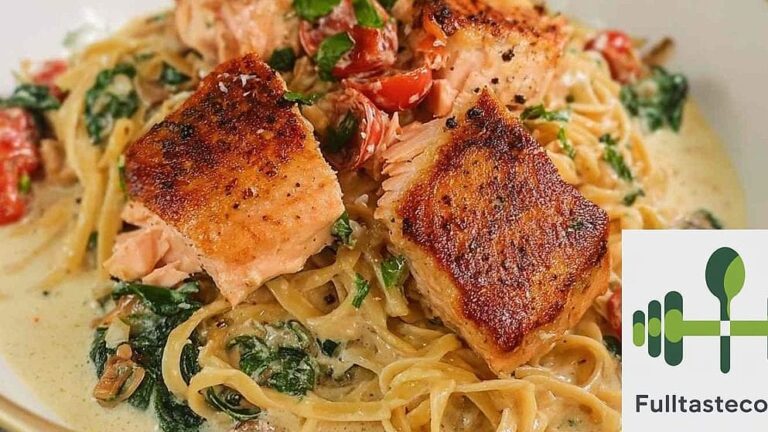
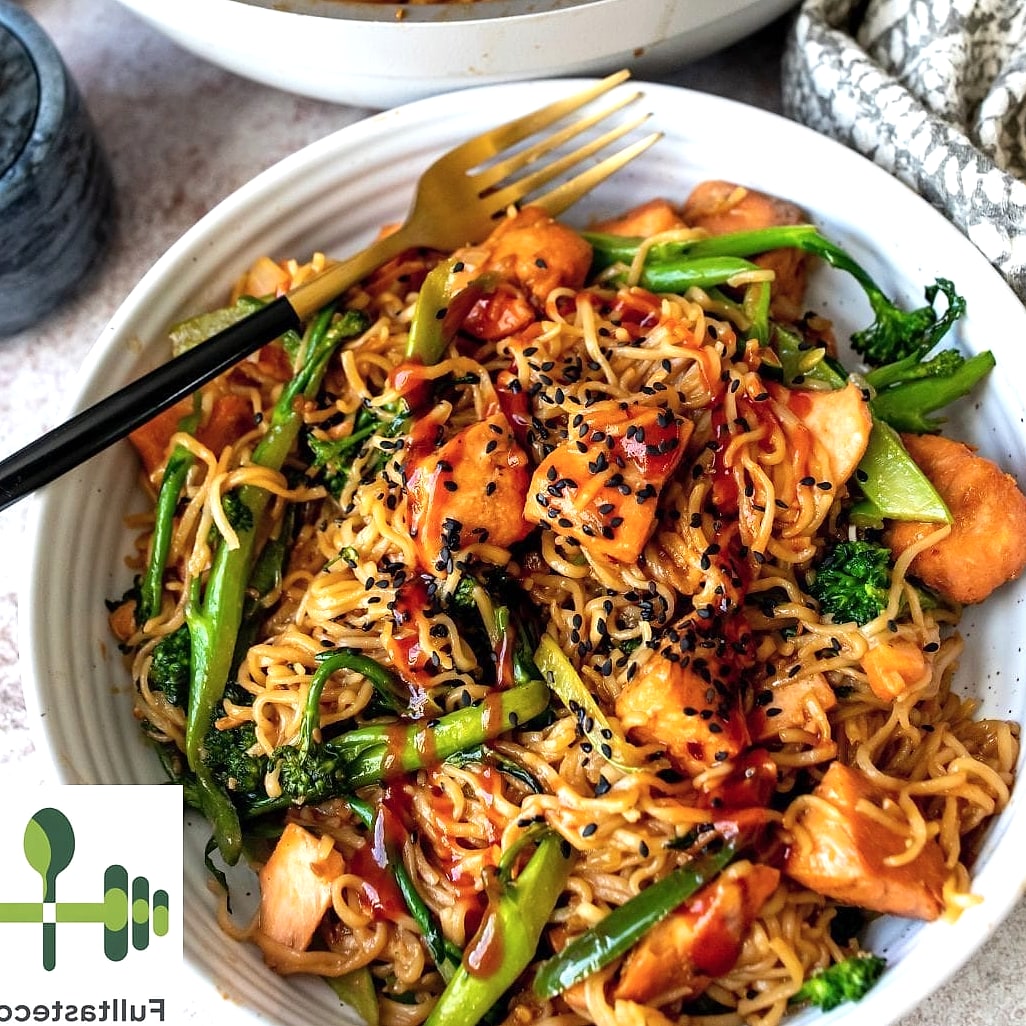
High Protein Salmon Noodles
High Protein Salmon Noodles
If you’re looking for a weeknight dinner that actually keeps you full, this is it. These high protein salmon noodles come together in about 30 minutes, taste like something you’d order at a restaurant, and pack a serious nutritional punch. I make this on repeat, especially when I want something satisfying but not heavy.
Why You’ll Love This Recipe
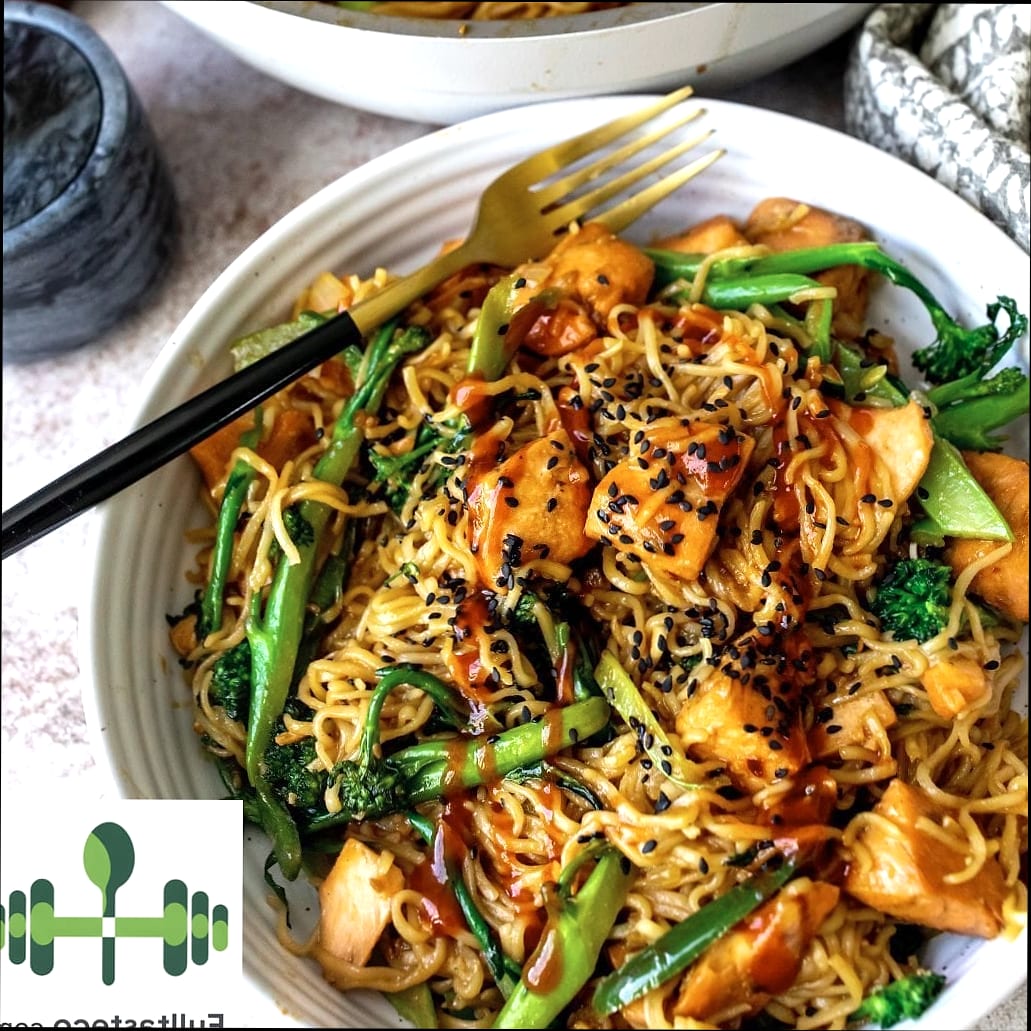
First, the protein content is genuinely impressive. Between the salmon and the noodles — especially if you use a higher-protein option like edamame or buckwheat noodles — you’re looking at a meal that fuels you for hours. No mid-afternoon crash, no snacking an hour later.
Second, it’s fast. You can have this on the table in under 35 minutes, including cooking the salmon from scratch. That matters a lot on a Tuesday night when you’ve just gotten home and motivation is low.
And honestly? The flavors are just really good. The sauce is savory, a little nutty, with a hint of heat if you want it. The salmon adds richness without making the dish feel greasy. It’s the kind of meal that makes you look forward to dinner.
Ingredients You’ll Need
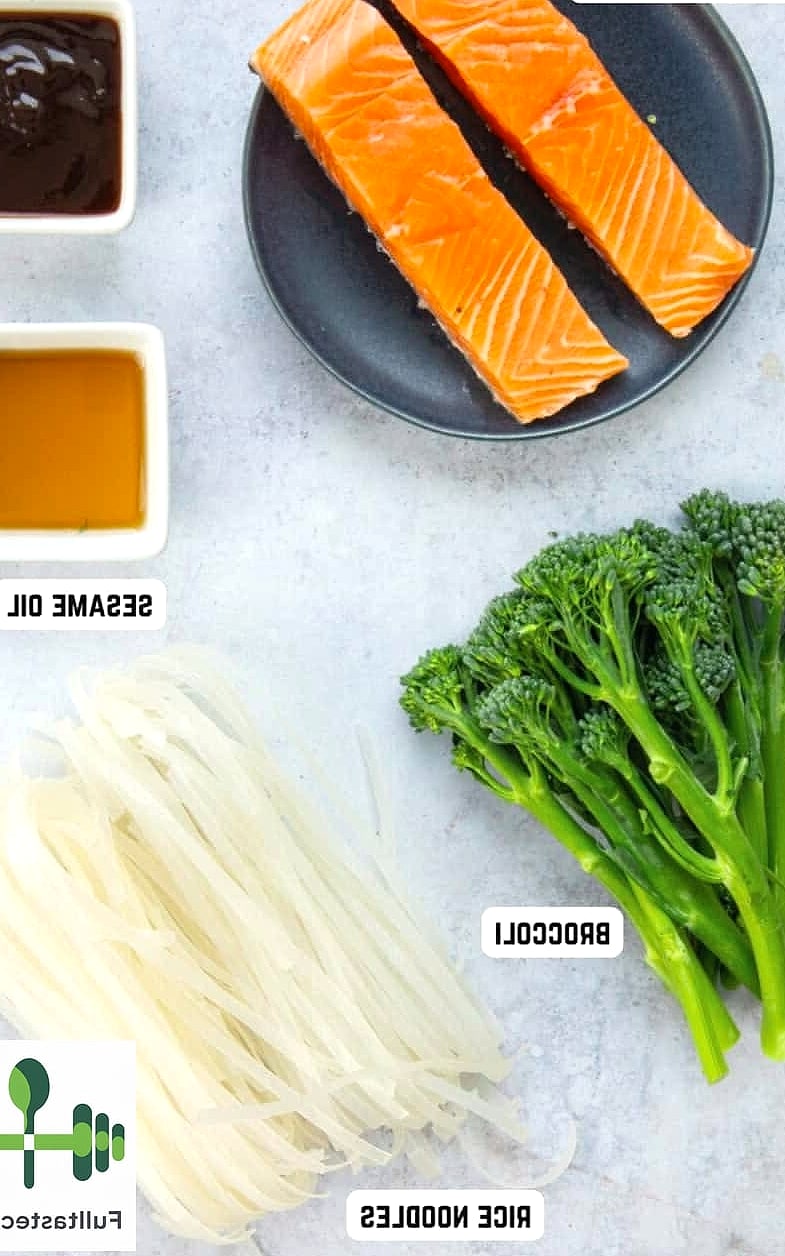
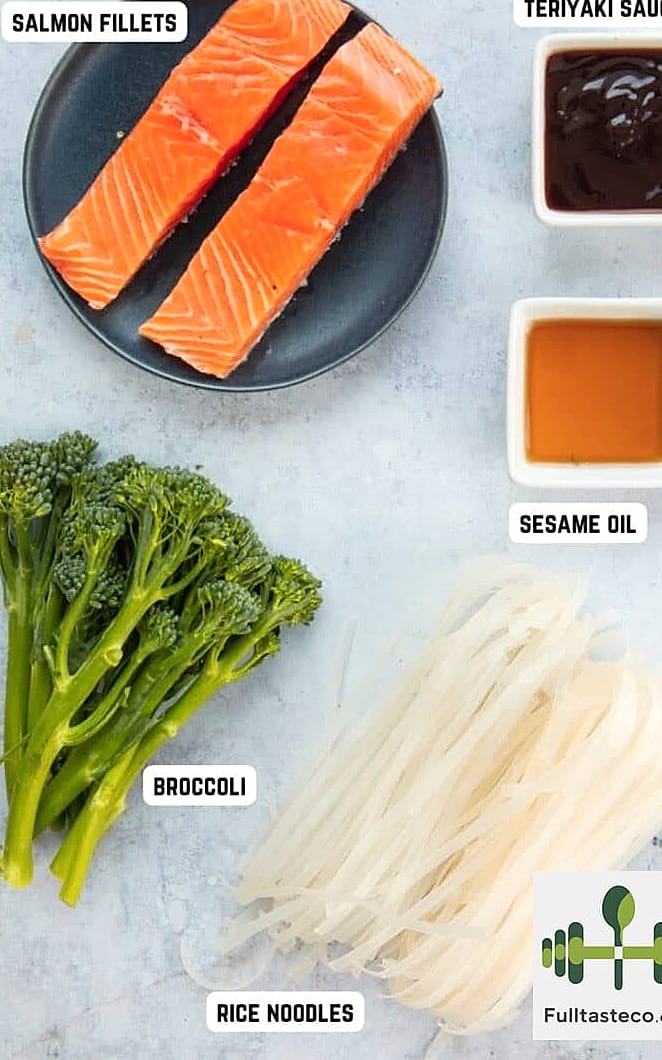
For the noodles, you have some flexibility. Soba (buckwheat) noodles are a great choice here because they’re higher in protein than regular wheat noodles and have a slightly nutty flavor that plays well with the sauce. Rice noodles work too if you need a gluten-free option, though they won’t add as much protein. Edamame pasta is another solid pick if you really want to max out the macros.
The salmon is the star, and you don’t need anything fancy. A couple of skin-on salmon fillets, seasoned simply with salt, pepper, and a little garlic powder, give you everything you need. If you’re using frozen salmon, just make sure it’s fully thawed and patted dry before cooking so you get a nice sear.
For the sauce, you’ll need soy sauce (or tamari for gluten-free), sesame oil, a spoonful of peanut butter or tahini for body, rice vinegar, a little honey or maple syrup, fresh ginger, and garlic. It sounds like a lot of ingredients but it takes about two minutes to whisk together.
Finishing the dish with edamame adds more protein and a pop of color. Sliced green onions, sesame seeds, and a drizzle of chili oil are optional but highly recommended.
Tips for the Best Results
Cook your noodles just to al dente, then rinse them briefly under cold water to stop the cooking and prevent clumping. This step takes ten seconds and makes a real difference in texture.
If you want to add more vegetables, thinly sliced red cabbage, shredded carrots, or baby spinach all work beautifully stirred in at the end. They wilt slightly from the heat of the noodles and sauce without becoming mushy.
Storage and Reheating
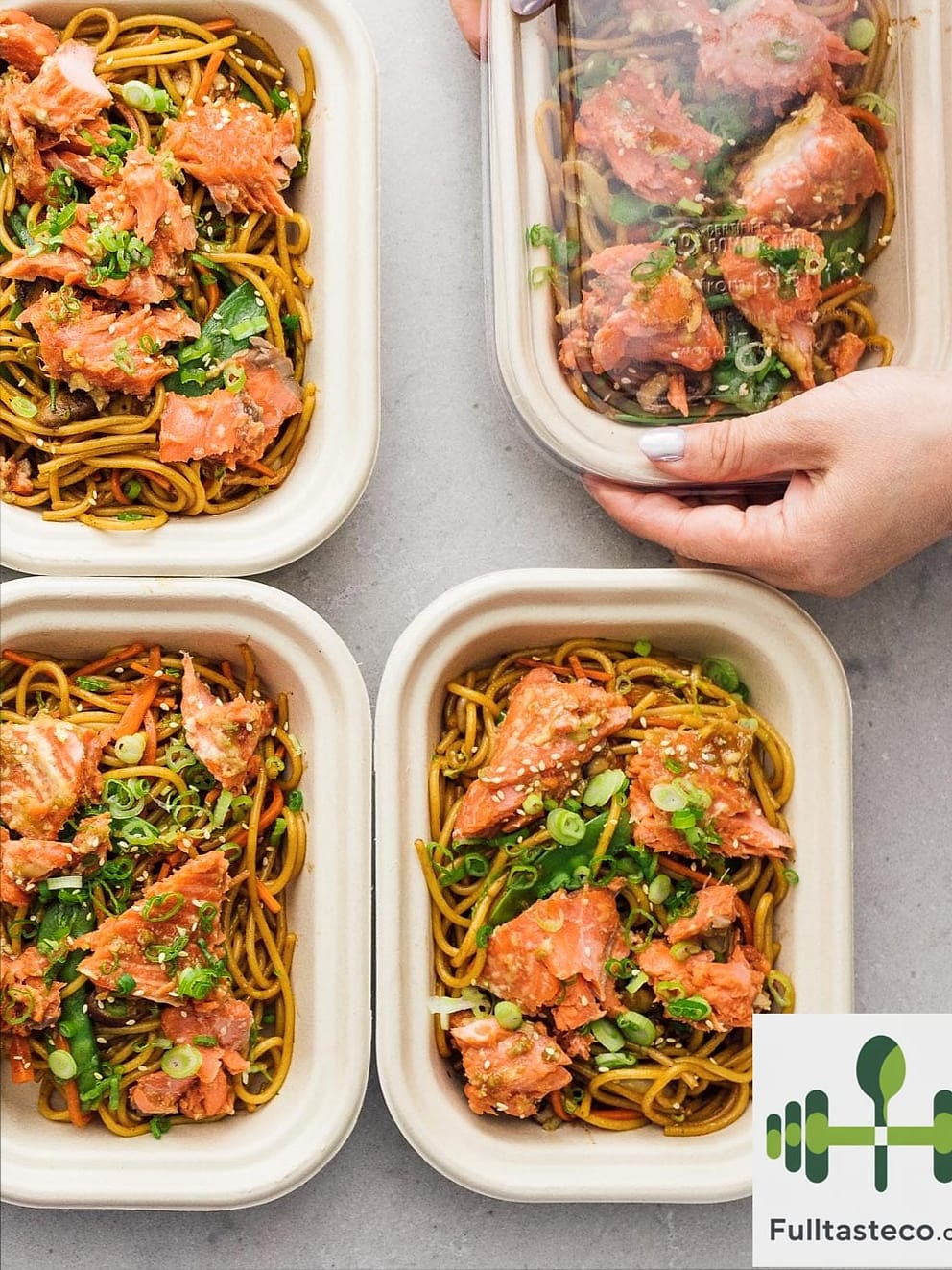
Leftovers keep well in an airtight container in the fridge for up to three days. The noodles will absorb more sauce as they sit, so the dish might look a little dry when you pull it out. That’s completely normal.
To reheat, add a small splash of water or extra soy sauce to the container before warming it in the microwave for 1–2 minutes, stirring halfway through. This helps loosen the sauce back up. You can also reheat it in a skillet over medium heat with a tiny bit of sesame oil.
Freezing isn’t ideal for this dish — the noodle texture doesn’t survive it well. Stick to fridge storage and enjoy within a few days.
Frequently Asked Questions
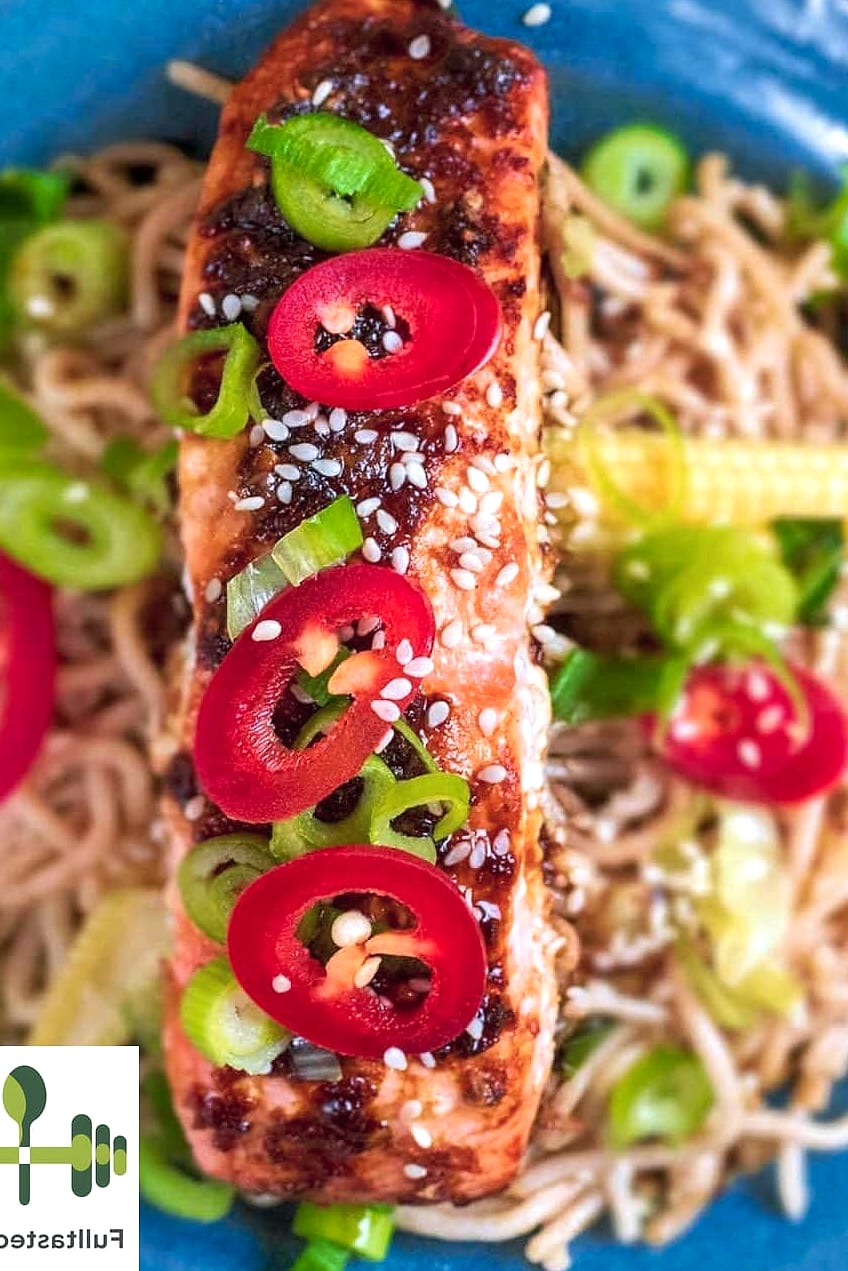
Can I use canned salmon instead of fresh?
Yes, absolutely. Canned salmon is a great budget-friendly swap. Drain it well, flake it into chunks, and add it at the end rather than pan-searing it. You’ll lose the crispy seared texture, but the flavor is still there and the protein content stays high.
What noodles are highest in protein?
Edamame pasta and black bean pasta top the list — both have around 20–25g of protein per serving. Soba noodles are a more traditional option with a modest protein boost compared to regular pasta. Regular rice noodles are lower in protein, so if that’s your priority, pair them with extra edamame or a soft-boiled egg on top.
Can I make this dairy-free?
This recipe is naturally dairy-free. There’s no butter or cream involved. Just double-check your noodle packaging if you have a strict dairy allergy, but typically noodles are safe.
Can I substitute the peanut butter in the sauce?
Definitely. Tahini works really well and gives the sauce a slightly more neutral, sesame-forward flavor. Almond butter is another option. If you have a nut allergy, sunflower seed butter is a surprisingly good substitute that most people can’t tell apart once the sauce is seasoned.
High Protein Salmon Noodles
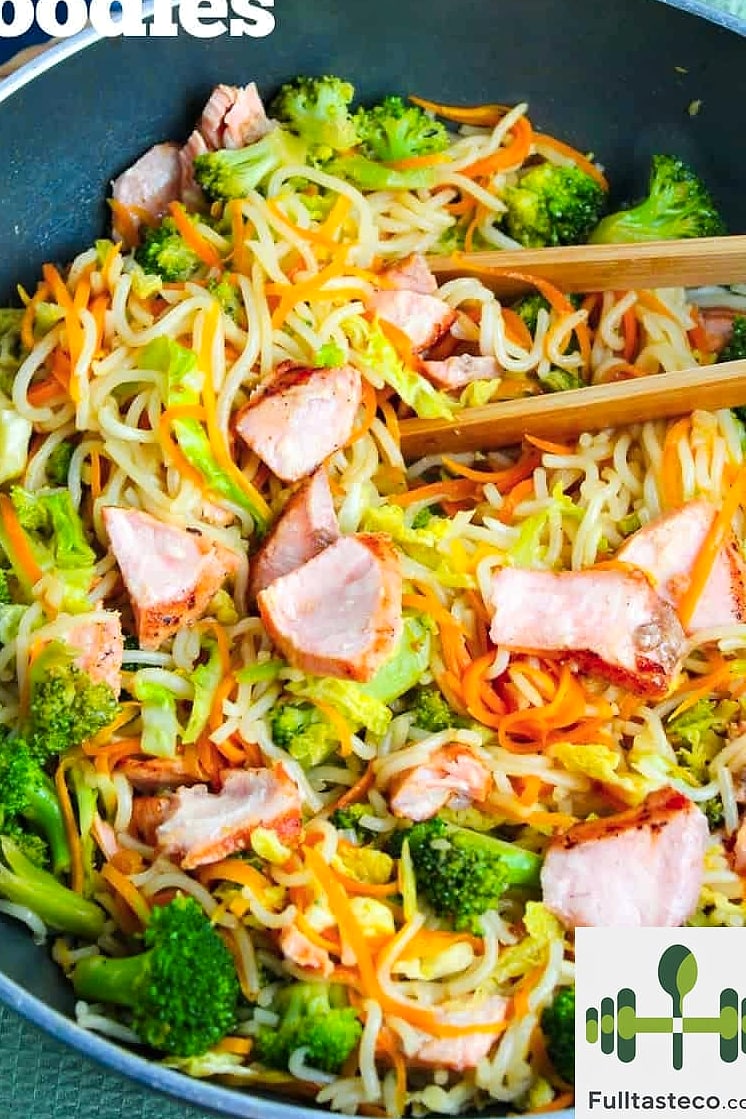
A quick and satisfying weeknight dinner with seared salmon, protein-rich noodles, and a savory sesame-ginger sauce ready in under 35 minutes.
Ingredients
- 2 salmon fillets (about 150g each)
- 200g soba or edamame noodles
- 1 cup shelled edamame (cooked)
- 3 tbsp soy sauce or tamari
- 1 tbsp sesame oil
- 1 tbsp peanut butter or tahini
- 1 tbsp rice vinegar
- 1 tsp honey or maple syrup
- 1 tsp fresh ginger (grated)
- 2 cloves garlic (minced)
- 1/2 tsp garlic powder
- salt and pepper to taste
- 2 green onions (sliced)
- 1 tbsp sesame seeds
- chili oil to taste (optional)
Instructions
- Step 1. Season salmon fillets with salt, pepper, and garlic powder on both sides
- Step 2. Heat a non-stick skillet over medium-high heat with a drizzle of oil and cook salmon skin-side down for 4 minutes, then flip and cook for another 3 minutes until just cooked through
- Step 3. Remove salmon from heat and let rest, then flake into large chunks
- Step 4. Cook noodles according to package instructions until al dente, drain, and rinse briefly under cold water
- Step 5. Whisk together soy sauce, sesame oil, peanut butter, rice vinegar, honey, ginger, and garlic in a small bowl until smooth
- Step 6. Toss noodles with the sauce and edamame until well coated
- Step 7. Divide noodles between bowls and top with flaked salmon, green onions, sesame seeds, and chili oil if using
- Step 8. Serve immediately
30-Day High-Protein
Low-Calorie Meal Plan
Every breakfast, lunch, dinner & snack — all 30 days fully mapped out. Just follow the plan.
- ✓50+ complete recipes with ingredients & step-by-step instructions
- ✓4-week day-by-day plans — every meal for all 30 days
- ✓4 weekly shopping lists organised by store section
- ✓Printable habit & progress tracker — 30 full days
- ✓100g+ protein per day — scientifically optimised macros
Instant PDF · Print at home
Results guaranteed with consistency