Weekly High-Protein Low-Calorie Dinner Plan for Busy People
Listen, I get it. You’re staring at your fridge at 7 PM after a twelve-hour day, and the last thing you want to do is figure out what’s for dinner. That frozen pizza is looking real tempting right about now. But here’s the thing—eating high-protein, low-calorie dinners doesn’t have to feel like cooking for a Michelin-starred restaurant every night.
I’ve spent years figuring out how to eat well without spending my entire evening in the kitchen or blowing my calorie budget on takeout. This weekly dinner plan isn’t some fantasy meal prep routine that requires you to wake up at 5 AM on Sunday. It’s realistic, it’s flexible, and honestly? It’s designed for people who are just trying to get through the week without resorting to cereal for dinner again.
Why High-Protein, Low-Calorie Dinners Actually Work
Before we jump into the meal plan, let’s talk about why this approach makes sense. Research shows that high-protein diets help preserve lean muscle mass while promoting fat loss, which is exactly what most of us are after when we’re trying to eat healthier.
Here’s what happens when you prioritize protein at dinner: you stay fuller longer, your body burns more calories digesting it, and you’re way less likely to raid the pantry for chips at 10 PM. Trust me on that last one—I used to be the pantry raider extraordinaire.
The low-calorie part isn’t about starving yourself. It’s about being smart with your ingredients so you can eat actual portions of food without derailing your goals. Nobody wants to eat sad little portions that leave you hungry an hour later.
The Weekly Dinner Blueprint
This plan gives you structure without handcuffing you to specific recipes. Each night follows a simple formula: lean protein + non-starchy vegetables + smart carb (optional). The beauty is you can mix and match based on what you have or what sounds good.
Monday: Sheet Pan Simplicity
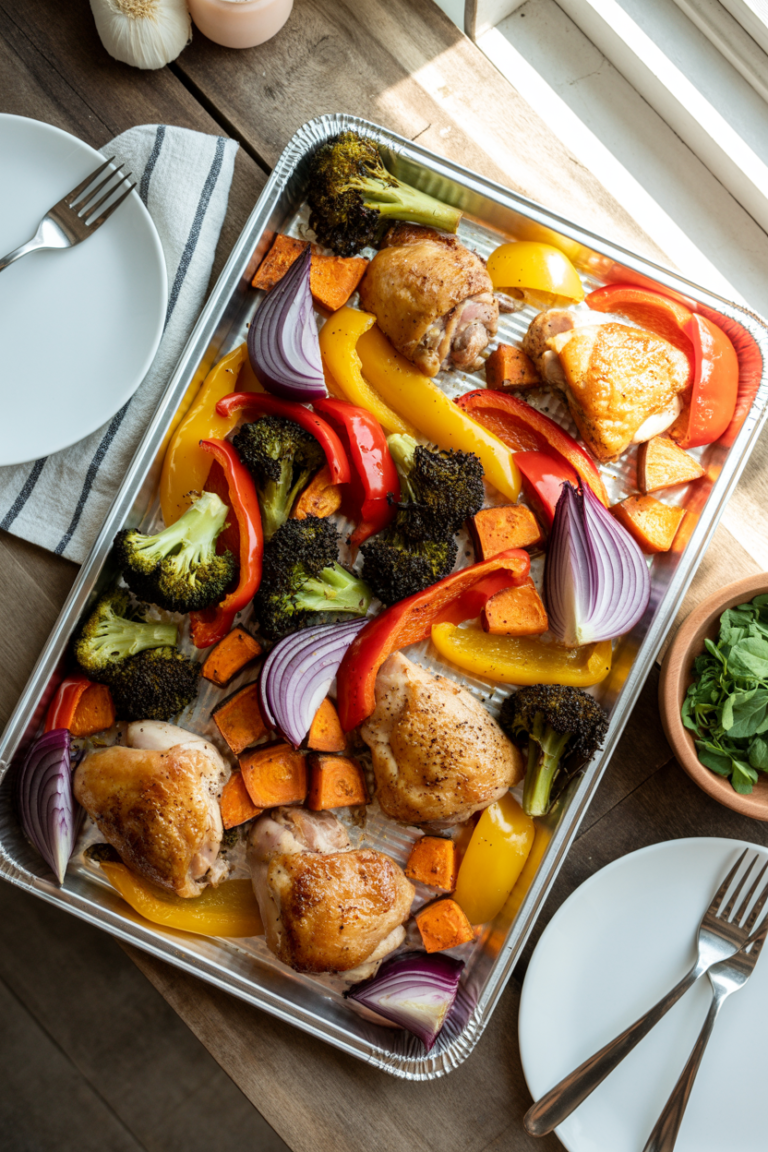
Start your week easy with a sheet pan dinner. I usually go with chicken thighs (yes, they’re higher in calories than breasts, but the flavor payoff is worth it) with roasted Brussels sprouts, bell peppers, and red onion. Season everything with garlic, paprika, and a drizzle of olive oil. One pan, 25 minutes, done.
The protein here hits around 35-40 grams, and the whole meal clocks in under 400 calories if you’re reasonable with the oil. Get Full Recipe for the exact measurements and cooking temps.
Tuesday: Bowl Night
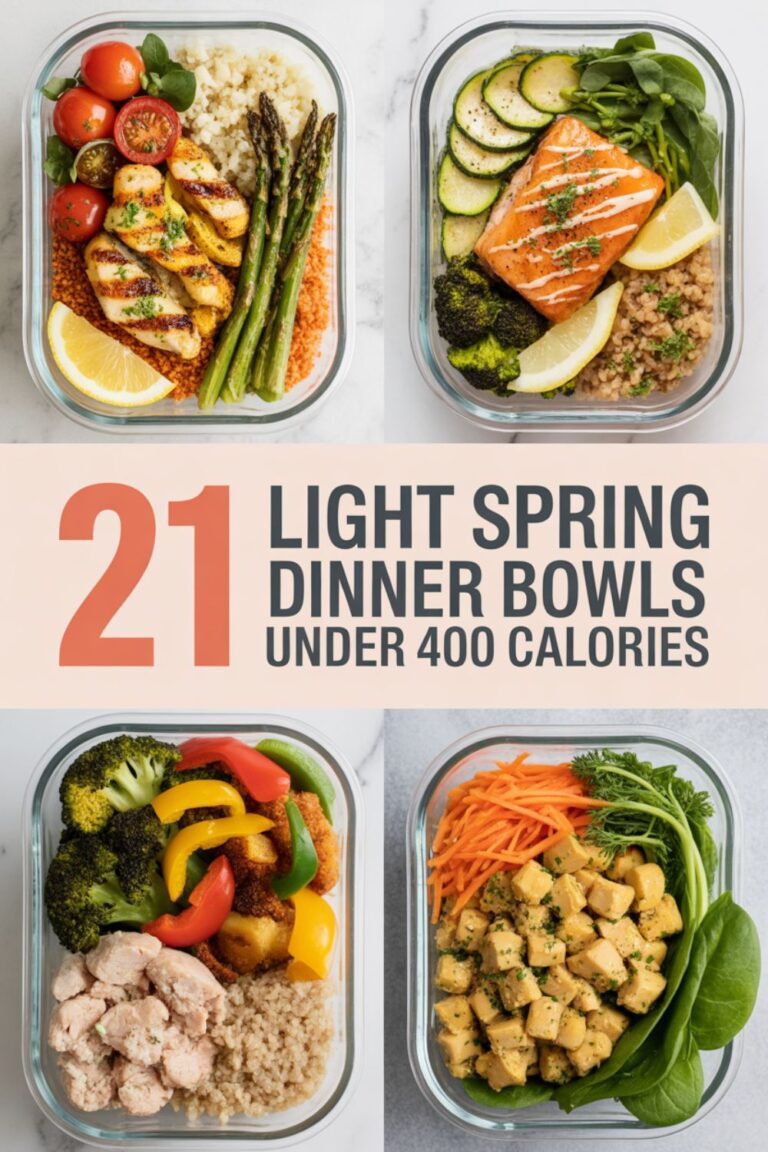
Bowls are my secret weapon for using up whatever vegetables are hanging out in your crisper drawer. Base it on cauliflower rice or regular rice if you need the extra carbs, top with grilled shrimp or lean ground turkey, add some sautéed veggies, and finish with a light sauce.
I make a quick peanut sauce using powdered peanut butter—same flavor, fraction of the calories. Mix it with soy sauce, rice vinegar, a touch of honey, and some water. Game changer.
If you’re into meal prep bowls, check out these high-protein bowls you can prep in under 20 minutes—they’re lifesavers for busy weeks.
Wednesday: Slow Cooker Rescue
Wednesday is when the week starts feeling long. This is where your slow cooker (or Instant Pot if you have one) becomes your best friend. Throw in some chicken breast, salsa, taco seasoning, and let it do its thing for 4-6 hours.
Shred that chicken and serve it over lettuce wraps, in low-carb tortillas, or just with a side of black beans and roasted peppers. The leftovers are clutch for Thursday’s lunch, FYI.
Thursday: Fish Friday Eve
Don’t wait until Friday for fish—Thursday is prime time. Salmon or cod work great here. I bake mine on a silicone baking mat (zero sticking, zero scrubbing later) with lemon, dill, and garlic.
Pair it with roasted asparagus or green beans and maybe some quinoa if you’re hungry. The omega-3s in fish are clutch for recovery if you’re working out, plus it cooks in like 15 minutes.
For more fish-based options, these sheet pan dinners include several seafood options that are ridiculously easy.
Friday: Comfort Food Remix
Friday deserves something that feels indulgent. Enter: turkey meatballs with zucchini noodles. You get that cozy pasta vibe without the calorie bomb. I use lean ground turkey (93% lean) mixed with Italian seasoning, garlic, and a bit of parmesan.
Spiralize your zucchini (or buy the pre-spiralized kind if you’re not trying to add another kitchen gadget), sauté it briefly, and top with marinara and those meatballs. Add a sprinkle of mozzarella if you want—life’s short.
Weekend Flexibility
Weekends are for experimenting or going out. I usually do one night of leftovers and one night where I try something new or order in. The key is not being so rigid that you burn out by week three.
If you want to stay on track but mix it up, these 20 high-protein dinner recipes give you tons of variety without requiring you to shop for exotic ingredients.
Kitchen Tools That Make This Plan Actually Doable
Look, you don’t need a gadget for everything. But these six things legitimately make weeknight cooking less painful:
1. Glass Meal Prep Containers (Set of 10)
Microwave-safe, don’t stain, and you can see what’s inside without opening them. The snap-lid ones are worth the extra few bucks.
2. Digital Kitchen Scale
If you’re serious about portion control without driving yourself crazy, this is non-negotiable. Mine cost $15 and has lasted three years.
3. Heavy-Duty Sheet Pans (Rimmed)
Cheap sheet pans warp in the oven and cook unevenly. Get two good ones and call it a day. Everything I mentioned in this plan uses them.
4. 14-Day Meal Prep Plan PDF
Complete shopping lists, macro breakdowns, and prep schedules. Takes the guesswork out when you’re starting fresh.
5. 7-Day Beginner Meal Plan
If this weekly plan feels overwhelming, start here. Simpler recipes, fewer ingredients, same results.
6. Weekly Meal Prep Guide
Step-by-step walkthrough for Sunday prep sessions. Includes time-saving hacks I wish I’d known sooner.
Making It Work With Your Actual Life
The biggest mistake people make with meal plans is treating them like gospel. Life happens. You work late, the grocery store is out of chicken, or you just really want pizza on Thursday instead of fish. That’s fine.
The goal isn’t perfection—it’s consistency most of the time. If you nail four out of seven dinners, you’re crushing it. That’s way better than winging it every night and defaulting to whatever’s easiest (which is usually not what you actually want to be eating).
Grocery Shopping Strategy
I shop twice a week: Sunday for the main haul and Wednesday for fresh stuff. Sunday is when I grab all my proteins, frozen vegetables (they’re cheaper and you won’t feel guilty when they don’t go bad), and pantry basics.
Wednesday is just a quick stop for whatever fresh produce I need for the second half of the week. This keeps things from getting sad and wilted by Friday. I also keep frozen chicken breasts and frozen fish fillets on hand as backup.
Protein Variety Matters
Don’t eat chicken breast seven nights a week unless you actively enjoy that level of monotony. Rotate through chicken thighs, ground turkey, salmon, cod, shrimp, and even lean beef once in a while. Your taste buds and your nutrient profile will thank you.
According to nutrition experts, varying your protein sources ensures you’re getting different amino acid profiles and micronutrients. Plus, it keeps you from getting so bored you quit.
Speaking of variety, if you’re looking for plant-based options too, these vegan high-protein meals show you don’t need meat every single night.
The Meal Prep Reality Check
Social media makes meal prep look like an aesthetic activity where everything fits perfectly in matching containers and you have 47 color-coded labels. Real meal prep is messier and that’s okay.
I spend about 90 minutes on Sunday doing the bare minimum: cooking proteins, chopping some vegetables, and making one or two sauces. That’s it. I don’t portion everything into containers because I’m not that organized and also my appetite varies day to day.
What I do prep:
- Proteins: 3-4 chicken breasts, a pound of ground turkey, maybe some hard-boiled eggs
- Vegetables: Chop bell peppers, wash lettuce, roast a sheet pan of broccoli
- Grains (if using): Cook a batch of quinoa or rice
- Sauces: Make one or two that’ll work across multiple meals
This setup lets me throw together dinners in 10-15 minutes during the week. I’m reheating protein, sautéing or microwaving veggies, and boom—dinner.
For more structured approaches, check out these 30 meals perfect for meal prep—they include macros and storage tips.
When You Don’t Feel Like Cooking
Some nights, even reheating feels like too much. For those nights, I keep it stupid simple: rotisserie chicken from the grocery store, bagged salad, and some cherry tomatoes. Or Greek yogurt with berries and a scoop of protein powder.
The point is to have options that don’t require you to be “on” when you’re mentally checked out. Plan for the nights when you won’t have it in you.
Adjusting Portions and Calories
The calorie ranges I mentioned are ballpark estimates. Your actual needs depend on your height, weight, activity level, and goals. A 6’2″ guy who lifts four times a week needs more food than a 5’4″ woman with a desk job. That’s just reality.
Start with the portions I outlined and adjust based on how you feel. Starving before bed every night? Add more vegetables or a small serving of healthy fats. Losing weight too quickly? Add some carbs back in. Studies suggest that sustainable weight loss happens at a rate of 1-2 pounds per week for most people.
Protein Targets
Aim for at least 30-40 grams of protein per dinner. For most people, that looks like 4-6 ounces of meat, fish, or poultry. If you’re plant-based, you’ll need to combine sources—tofu, tempeh, legumes, and grains.
I weigh my proteins when I meal prep using a basic kitchen scale—makes it way easier to know I’m hitting my targets without guessing.
If you’re training hard or trying to build muscle, these muscle gain-focused recipes bump up the protein even more.
Common Pitfalls and How to Dodge Them
After doing this for years, I’ve seen where people (myself included) tend to trip up. Here’s how to avoid the usual suspects:
Over-Restricting Calories
Going too low on calories will backfire. You’ll be miserable, your workouts will suffer, and you’ll probably binge on the weekend. Aim for a moderate deficit—300-500 calories below maintenance is plenty.
Forgetting About Vegetables
Protein is important, but so is fiber and micronutrients. Half your plate should be vegetables. They fill you up, keep your digestive system happy, and add basically no calories. Don’t skip them.
Using Too Much Oil
Oil sneaks up on you fast. One tablespoon is 120 calories. Measure it, or use cooking spray, or invest in an oil mister so you’re not drowning everything in unnecessary calories.
Not Planning for Hunger
If you’re genuinely hungry between meals, eat something. A hard-boiled egg, some Greek yogurt, or vegetables with hummus. Ignoring hunger leads to poor decisions at dinner.
For strategic snacking options, these high-protein snacks keep you satisfied without sabotaging dinner.
Making Restaurant Meals Work
You will eat out. Maybe it’s a work thing, maybe it’s date night, maybe you just don’t want to cook. That’s normal. Here’s how to navigate it without derailing everything:
- Order protein-forward dishes (grilled fish, steak, chicken)
- Ask for sauces on the side—they’re often loaded with hidden calories
- Sub starchy sides for extra vegetables
- Skip the bread basket or commit to one piece and move on
- Drink water or unsweetened beverages
One restaurant meal won’t ruin your week. Ten restaurant meals might. Keep it reasonable and get back to your plan the next day.
Tracking (Or Not)
Some people love tracking every bite in an app. Others find it stressful and unsustainable. Both approaches can work—it depends on your personality and where you’re at in your journey.
I tracked religiously for about six months when I first started, which taught me what proper portions actually look like. Now I eyeball most things and spot-check occasionally to make sure I haven’t drifted too far off course.
If you’re not seeing results without tracking, start tracking. If tracking is making you anxious and weird about food, stop tracking. The best approach is the one you’ll actually stick with.
For those who want structure without micromanaging, this printable 7-day dinner plan has everything laid out so you don’t need to track manually.
Long-Term Sustainability
This isn’t a “do it for 30 days and go back to normal” plan. The whole point is building habits that stick. That means finding a rhythm that doesn’t feel like punishment.
I eat high-protein, lower-calorie dinners most nights because it makes me feel good and supports my goals. But I also have pizza sometimes, and dessert, and don’t stress if I have a few off-plan meals in a week. Balance isn’t perfect adherence—it’s consistency over time.
The people who successfully maintain weight loss don’t do it through willpower alone. They build systems and routines that make healthy eating the path of least resistance most of the time.
Looking for more complete weekly structures? These beginner meal plans walk you through breakfast, lunch, and dinner—helpful if you’re overhauling everything at once.
Questions You’re Probably Wondering About
How much protein do I actually need at dinner?
Aim for 30-50 grams depending on your total daily protein goals and body weight. If you’re active or trying to build muscle, lean toward the higher end. The general guideline is 0.7-1 gram of protein per pound of body weight daily, split across all meals.
Can I meal prep these dinners for the whole week?
Some yes, some no. Fish and certain vegetables don’t hold up well beyond 3-4 days. Chicken, turkey, and heartier vegetables are fine for 5-6 days. I recommend prepping components (proteins, grains) rather than fully assembled meals for better quality throughout the week.
What if I don’t eat meat?
Totally doable. Sub in tofu, tempeh, seitan, legumes, or high-protein meat alternatives. You might need to combine sources to hit your protein targets—beans with quinoa, tofu with edamame, etc. The principles stay the same even if the ingredients change.
Is this plan safe for long-term use?
High-protein, calorie-controlled eating is safe for most people when done reasonably. Make sure you’re still eating enough total calories to support your activity level and including plenty of vegetables for fiber and nutrients. If you have kidney issues or other health conditions, check with your doctor first.
How do I handle social events and holidays?
Enjoy them without guilt. Seriously. One party or holiday meal doesn’t undo weeks of consistency. Eat normally before the event so you’re not starving, focus on protein-rich options when available, and then move on with your regular routine the next day. Life’s too short to skip every celebration.
Final Thoughts
High-protein, low-calorie dinners don’t have to be complicated or time-consuming. The key is finding a rhythm that works with your schedule, not against it. This weekly plan gives you structure without rigidity—use it as a foundation and adjust based on what actually happens in your life.
Will you follow this perfectly every week? Probably not, and that’s fine. Progress isn’t about perfection. It’s about making better choices more often than not, building skills in the kitchen, and creating habits that support your goals without making you miserable.
Start with what feels manageable. Maybe that’s just planning three dinners a week at first. Maybe it’s trying one new recipe. Whatever gets you moving in the right direction is the right move. You’ve got this.
Similar Posts
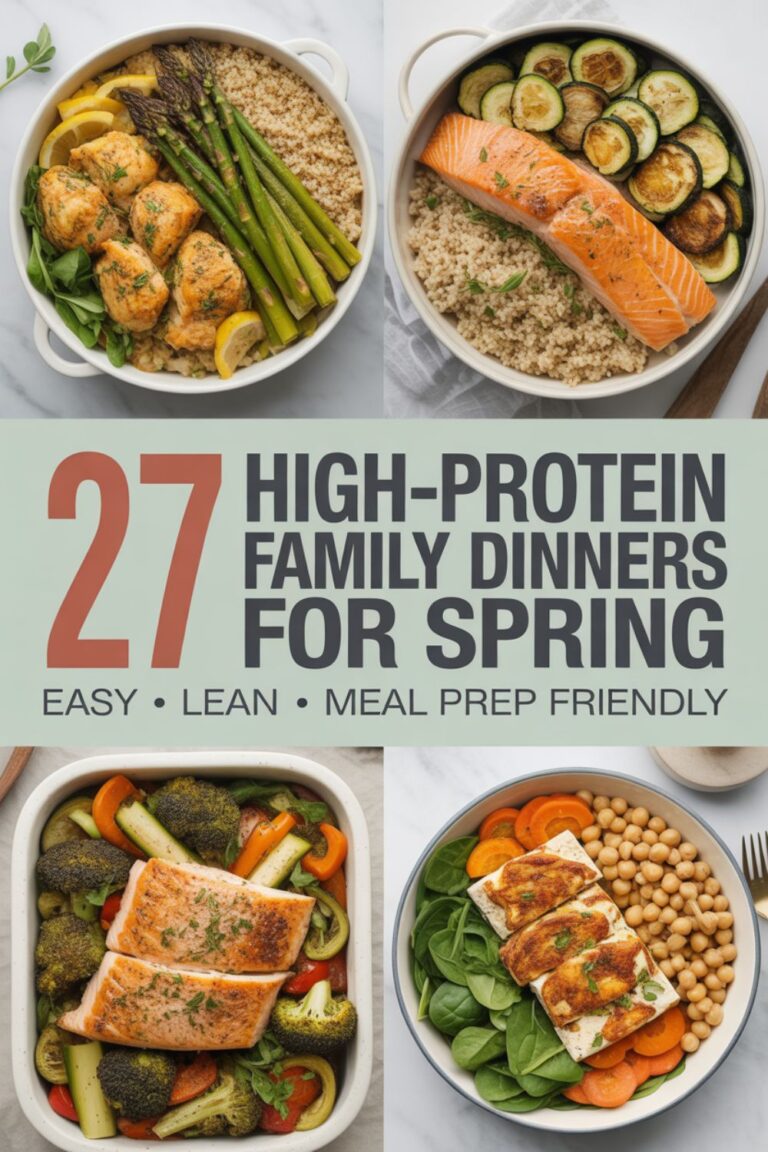
27 High-Protein Family Dinners for Spring
27 High-Protein Family Dinners for Spring | FullTaste Co FullTaste Co — Real Food, Real Flavor Spring Dinner Collection 27 High-Protein Family Dinners for Spring Fresh ingredients, easy prep, and enough protein to actually keep everyone full past 8pm. 27 Recipes Spring 2025 Family-Friendly 30–45 min avg The Full List: 27 Spring Dinners, High in…
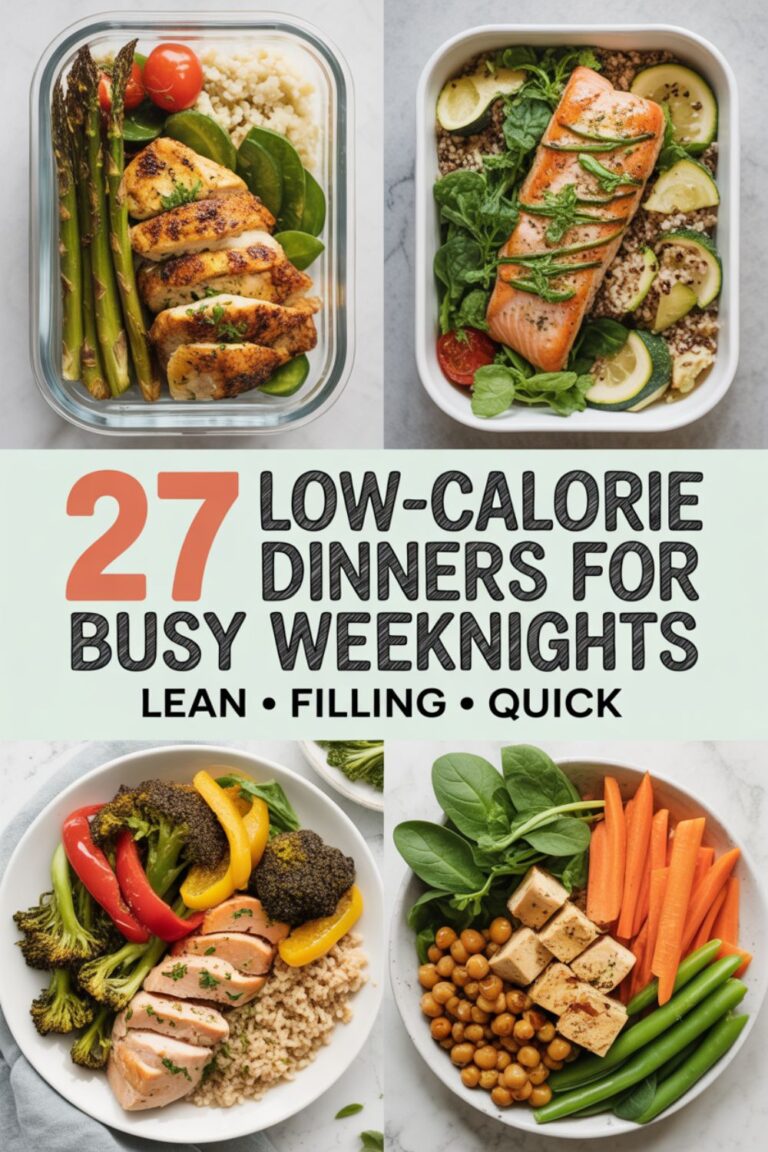
27 Low-Calorie Dinners for Busy Weeknights
27 Low-Calorie Dinners for Busy Weeknights | FullTasteCo FullTaste Co. Recipes Meal Plans Snacks Weeknight Dinners 27 Low-Calorie Dinners for Busy Weeknights By the FullTaste Team February 2026 27 Recipes Under 500 Cal Each Here is the honest truth about weeknight dinners: most of the time, you are tired, you are hungry, and the last…
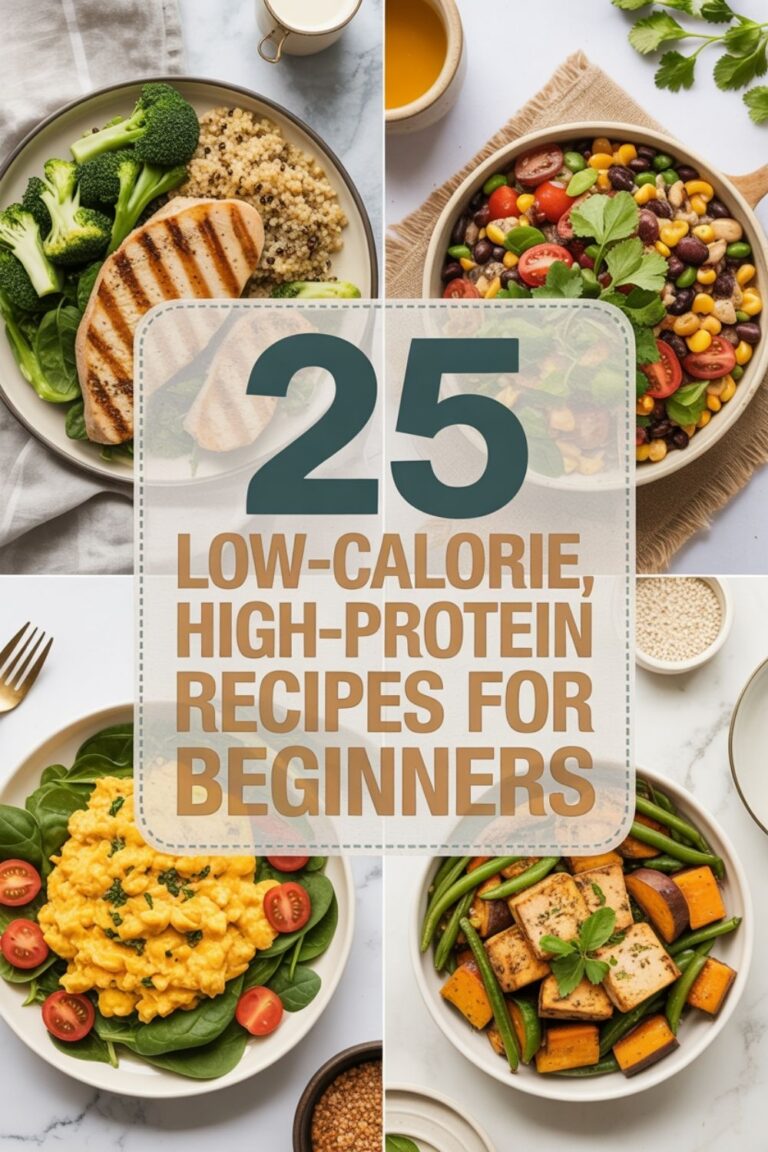
25 Low-Calorie, High-Protein Recipes for Beginners
25 Low-Calorie, High-Protein Recipes for Beginners 25 Low-Calorie, High-Protein Recipes for Beginners Look, I get it. You’re trying to eat better, shed a few pounds, maybe build some muscle. But every time you look up healthy recipes, they either require seventeen ingredients you’ve never heard of or they taste like cardboard dipped in sadness. Here’s…
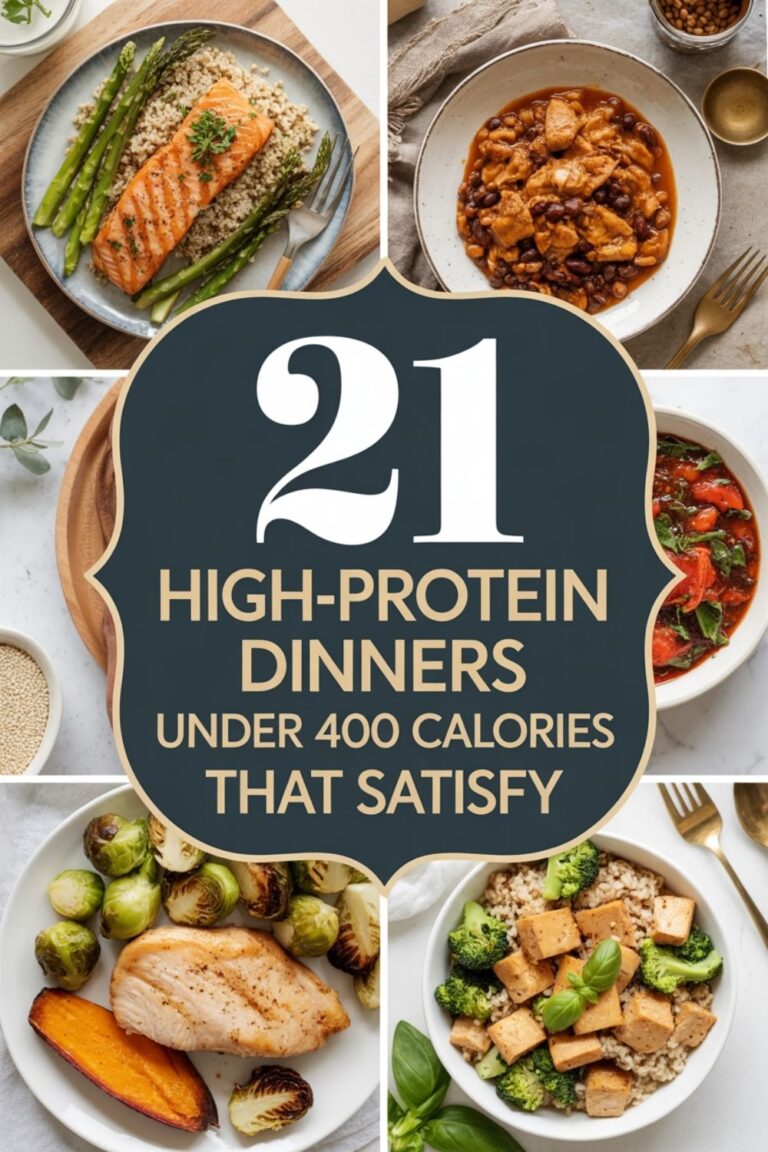
21 High-Protein Dinners Under 400 Calories
21 High-Protein Dinners Under 400 Calories 21 High-Protein Dinners Under 400 Calories Look, I get it. You want to lose weight, but you also want to keep your muscle. You’re tired of those bland chicken breast dinners that leave you feeling like you just ate cardboard. And honestly? The whole “eat less, move more” mantra…
21 Light Spring Dinner Bowls Under 400 Calories
21 Light Spring Dinner Bowls Under 400 Calories 21 Light Spring Dinner Bowls Under 400 Calories Spring cleaning your diet doesn’t have to mean sad desk salads and flavorless chicken breasts. These 21 dinner bowls clock in under 400 calories but pack enough flavor and satisfaction to make you forget you’re technically “eating light.” We’re…
30 Low-Calorie High-Protein Sheet Pan Dinners for Effortless Cooking
30 Low-Calorie High-Protein Sheet Pan Dinners for Effortless Cooking One pan. One oven. Dinner done. That’s the entire pitch for sheet pan cooking, and honestly? It’s changed how I approach weeknight meals. No more juggling three burners while something burns on the fourth. Just arrange everything, slide it in the oven, and walk away for…