Weekly High-Protein Low-Calorie Meal Prep Guide
Let’s be real here—you’re tired of staring into your fridge at 8 PM wondering what on earth you’re going to eat that doesn’t involve a drive-thru. You want something healthy, something that keeps you full, and ideally something that doesn’t require you to transform into a professional chef every single night.
That’s where weekly high-protein low-calorie meal prep comes in clutch. I’m not talking about bland chicken and broccoli in sad little containers. I’m talking about meals that actually taste good, keep you satisfied, and help you hit your goals without making you feel like you’re on some restrictive diet from the 90s.
Here’s the thing about protein—it’s basically your secret weapon for staying full and maintaining muscle mass while keeping calories in check. Research shows that high-protein diets enhance body composition by reducing fat while preserving lean muscle, which is exactly what most of us are after.
Why High-Protein Meal Prep Actually Works
You know what I love about protein? It keeps you full way longer than that bagel you grabbed this morning. When you prioritize protein in your meals, you’re not just building muscle—you’re also keeping your hunger hormones in check so you’re not raiding the pantry at 3 PM.
According to nutritional research, higher protein intake can help lower blood pressure and supports a higher sleeping metabolic rate. Translation? Your body burns more calories even while you’re binge-watching your favorite show.
But here’s where meal prep becomes your best friend. Instead of making decisions when you’re already starving (which always leads to questionable choices), you’ve got ready-to-go meals that align with your goals. No thinking required.
The Math Behind High-Protein, Low-Calorie Eating
Look, you don’t need a PhD in nutrition to understand this. The basic idea is simple: protein helps you maintain muscle while eating in a calorie deficit. That’s it. That’s the secret.
Most people need somewhere between 0.8 to 1.2 grams of protein per pound of body weight, depending on their activity level. If you’re lifting weights or doing intense workouts, you might want to aim for the higher end. Studies on athletes suggest that protein intakes above 3g/kg of body weight showed positive effects on body composition with no negative health impacts.
For a 150-pound person, that’s roughly 120-180 grams of protein daily. Sounds like a lot, right? It’s actually pretty doable when you plan your meals properly.
Breaking Down Your Weekly Protein Sources
You’ve got options, and variety is key here. Chicken breast isn’t your only friend, though I swear by using this digital meat thermometer to make sure everything’s cooked perfectly without drying out.
Here’s what I rotate through:
- Lean proteins: Chicken breast, turkey, white fish, shrimp, egg whites
- Moderate-fat proteins: Salmon, ground turkey (93/7), whole eggs, Greek yogurt
- Plant-based options: Tofu, tempeh, edamame, lentils, chickpeas
If you’re into plant-based eating, check out these high-protein low-calorie vegan meals that’ll keep you satisfied without any animal products.
Your Weekly Meal Prep Blueprint
Okay, let’s get tactical. Here’s how I structure my weekly prep without losing my mind or spending my entire Sunday in the kitchen.
Sunday Prep Session (90 Minutes, Seriously)
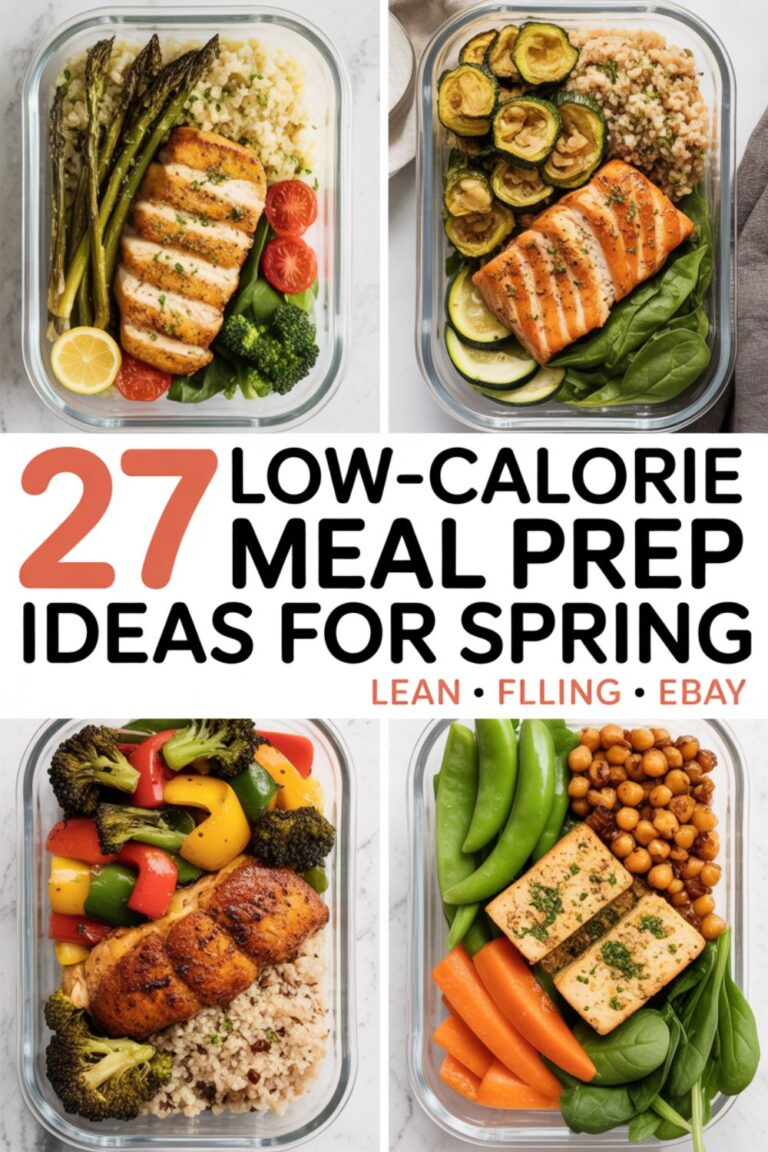
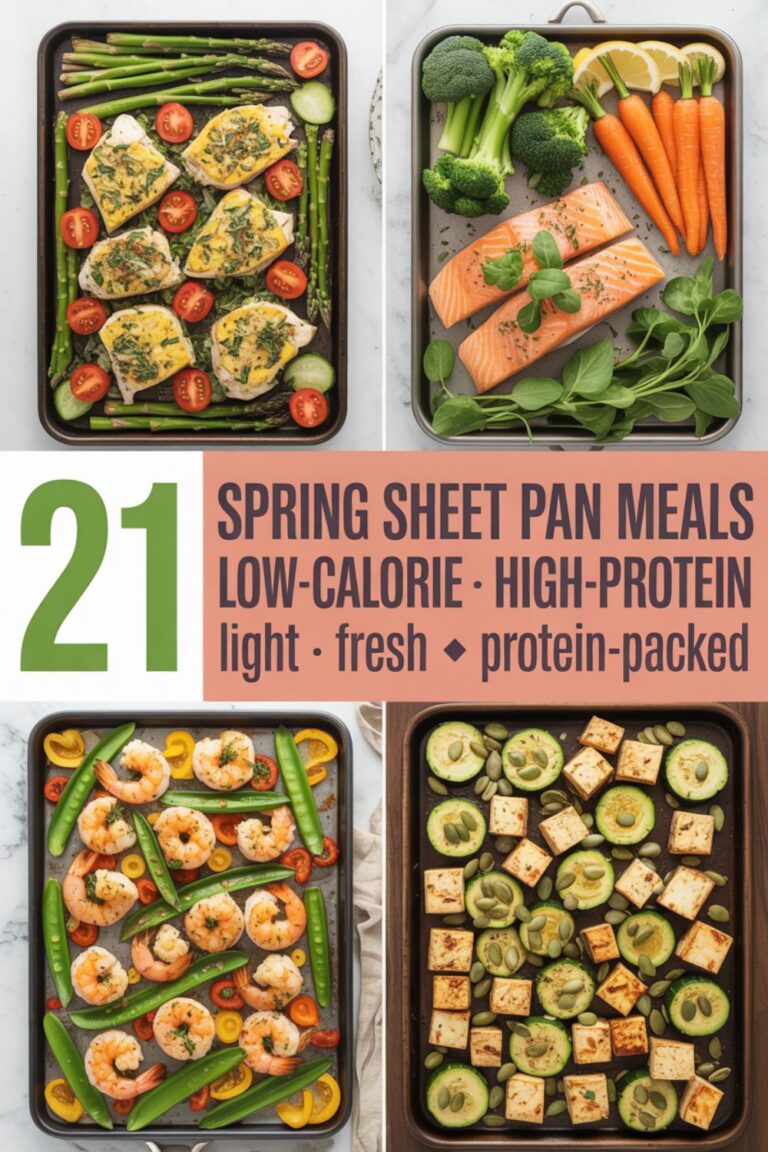
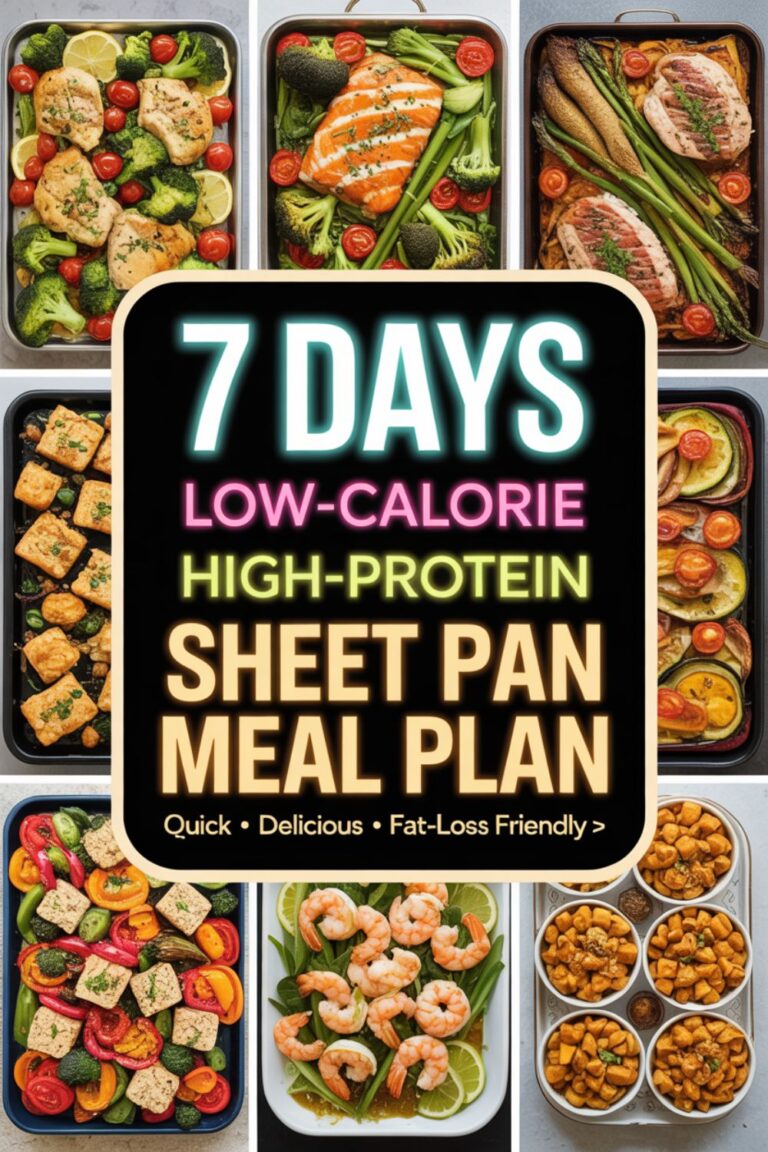
I start by prepping my proteins in bulk. That sheet pan you’ve been ignoring? Time to put it to work. You can cook multiple proteins at once—chicken thighs at 425°F on one side, salmon at the same temp on another. Game changer.
The beauty of sheet pan dinners is you can prep an entire week’s worth of meals with minimal cleanup. Throw your protein and veggies on the pan, season generously, and let the oven do the work.
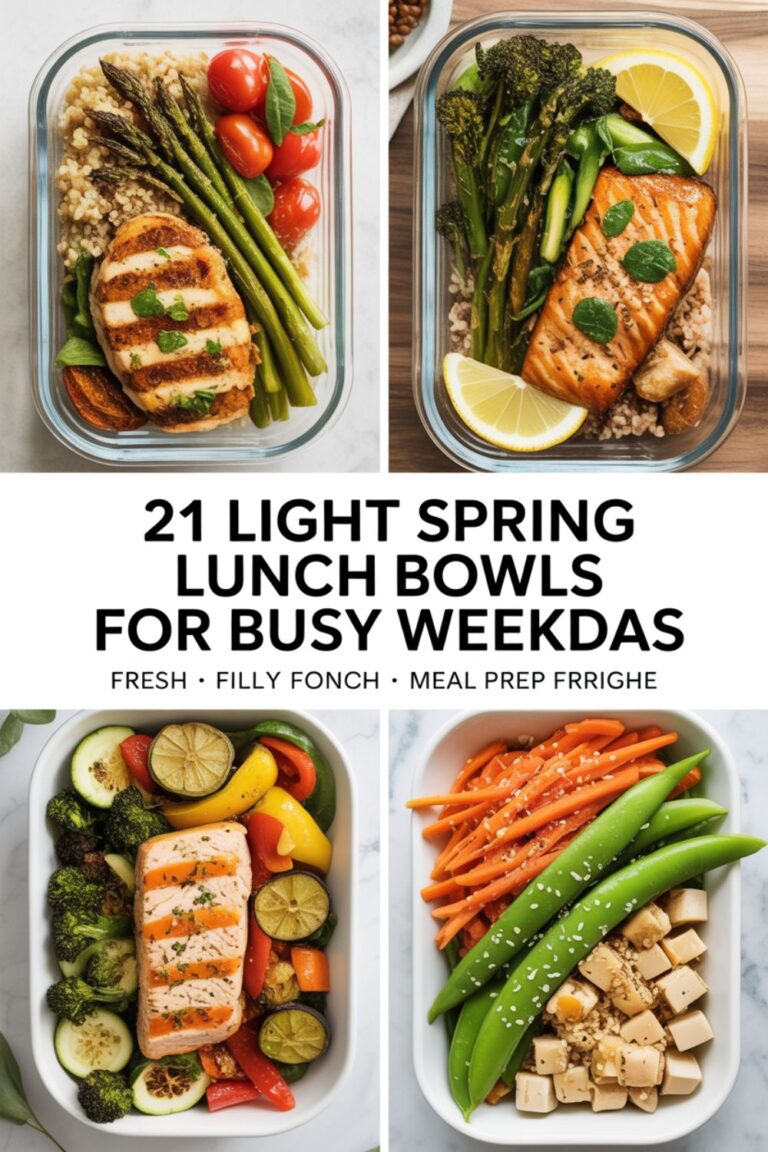
While that’s cooking, I prep my carb sources. Batch-cook quinoa, brown rice, or sweet potatoes. I use these glass storage containers because they don’t stain or hold onto smells like plastic ones do.
The Protein Distribution Strategy
Here’s where people usually mess up—they try to eat all their protein in one or two meals. Your body can only process so much protein at once, so spreading it throughout the day makes way more sense.
I aim for roughly 30-40 grams of protein per meal across four meals. That’s breakfast, lunch, dinner, and a solid snack. For busy mornings, these protein-packed breakfasts are literal lifesavers.
Sample day breakdown:
- Breakfast (35g): Greek yogurt parfait with protein powder and berries
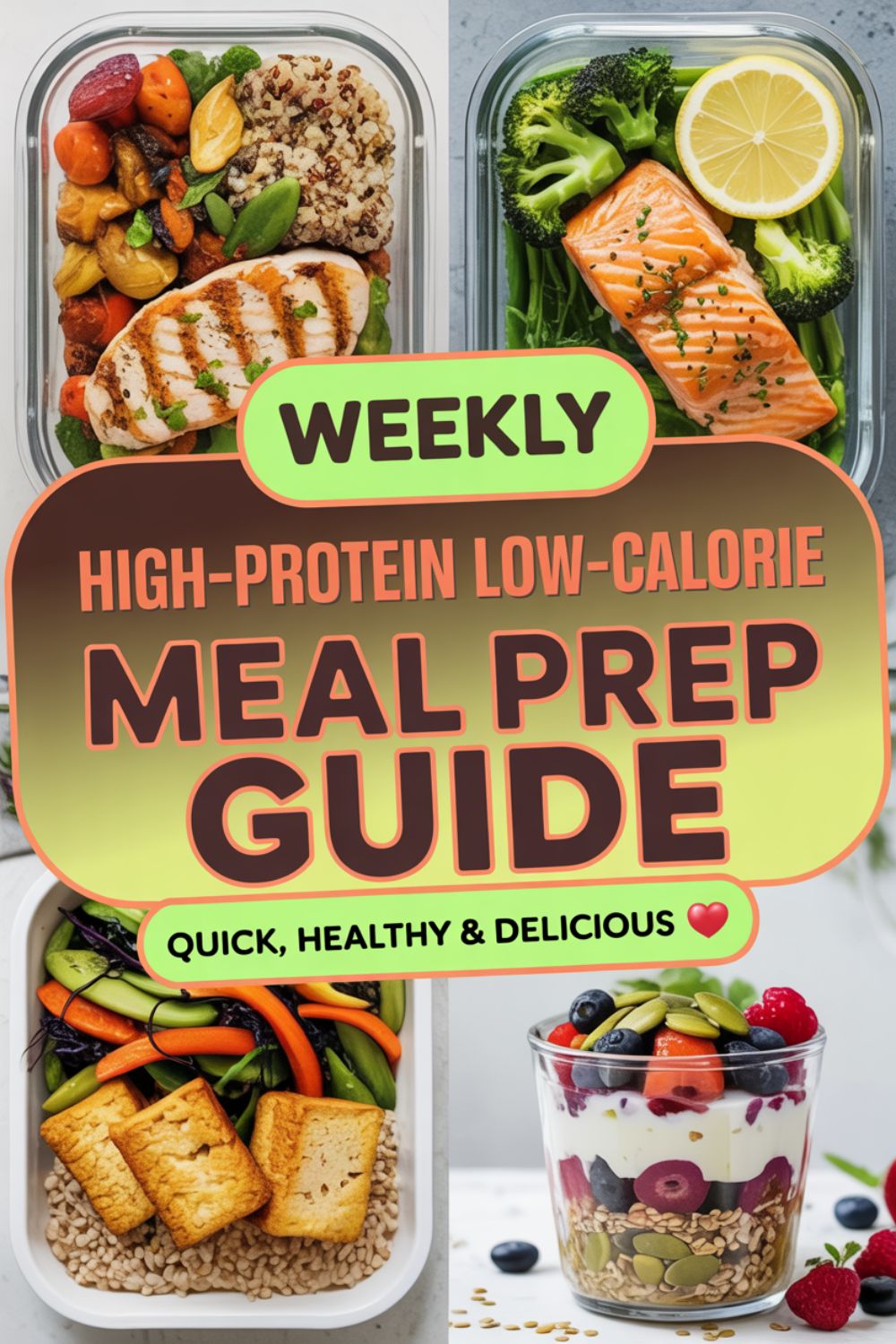
- Lunch (40g): Grilled chicken with quinoa and roasted vegetables
- Snack (20g): Hard-boiled eggs and turkey slices
- Dinner (45g): Baked salmon with asparagus and sweet potato
Total: 140g protein, around 1,600-1,800 calories depending on portions. Adjust based on your specific needs.
The Container Game Plan
Listen, container organization isn’t just for people who have their lives together. It’s for anyone who wants to actually use the food they prepped instead of letting it turn into a science experiment in the back of the fridge.
I swear by glass meal prep containers with compartments—the kind that separate your proteins, carbs, and veggies. Nothing worse than soggy everything by day three.
According to USDA food safety guidelines, cooked proteins should be refrigerated within two hours of cooking and can safely last 3-4 days in the fridge. Anything you won’t eat within that window should go straight to the freezer.
Storage Pro Tips
Here’s what I’ve learned the hard way:
- Store wet ingredients (sauces, dressings) separately until you’re ready to eat
- Keep crispy things crispy by adding them last (looking at you, nuts and seeds)
- Label everything with dates using these erasable labels
- Use freezer-safe containers for meals you prep for week two
For meals that freeze well, check out these recipes designed specifically for freezing and reheating.
Meal Prep Essentials Used in This Plan
Look, I’m not saying you need to buy everything at once, but these tools have legitimately made my meal prep life about 100x easier:
The compartments keep everything separated and they’re microwave-safe. No more soggy situations.
Game changer for portion control. You’ll actually know if you’re hitting your protein targets.
Because dry, overcooked chicken is nobody’s friend. This ensures perfect protein every time.
Helps you track macros and plan your weekly menu. The free version works great.
Customizable template to calculate your exact protein and calorie needs based on your goals.
Searchable collection of hundreds of high-protein recipes with complete nutrition info.
Sample Week of High-Protein Meal Prep
Let me walk you through what a realistic week looks like. No fancy ingredients you can’t pronounce, no cooking techniques that require culinary school.
Monday Through Wednesday
Breakfast: Egg white scramble with turkey sausage and peppers (prep the veggies ahead). If you’re short on time, these breakfast bowls can be made in advance and reheated in minutes.
Lunch: Lemon herb chicken with roasted Brussels sprouts and quinoa. I batch-cook the chicken using this simple slow cooker—just dump everything in before work and come home to perfectly tender protein. Get Full Recipe.
Dinner: Teriyaki salmon with stir-fried vegetables over cauliflower rice. The salmon takes literally 12 minutes in the oven, and cauliflower rice cooks in under 5. For complete dinner ideas, check out these high-protein dinner recipes.
Snack: Greek yogurt with a scoop of protein powder and blueberries. Mix it in a portable shaker bottle if you’re eating on the go.
Thursday Through Sunday
Breakfast: Protein pancakes made with oats and egg whites (freeze extra for next week). Get Full Recipe.
Lunch: Turkey taco bowls with black beans, salsa, and a tiny bit of cheese. For more wrap and bowl ideas, these high-protein wraps are clutch for mixing things up.
Dinner: Slow cooker chicken chili loaded with beans and vegetables. This is where having a quality programmable slow cooker pays off—set it and forget it. Get Full Recipe.
Snack: Protein smoothie with almond milk, banana, and peanut butter powder.
If you’re looking for more variety throughout the week, check out this comprehensive 7-day meal plan for beginners.
Keeping It Interesting (Because Chicken Gets Old)
Real talk—eating the same thing every day gets boring fast. The secret is having a rotation of go-to recipes that share similar prep techniques but taste completely different.
For instance, if you’re prepping chicken on Sunday, season one batch with Mexican spices, another with Italian herbs, and a third with Asian-inspired flavors. Same protein, three completely different meals.
Some of my favorite high-rotation meals that pack serious protein without the monotony:
- Instant Pot meals: These Instant Pot recipes are game-changers for busy weeknights
- One-pan wonders: Check out these one-pan meals when you can’t deal with a sink full of dishes
- Slow cooker classics: Set it before work with these slow cooker meals
The Sauce Situation
Here’s an underrated tip: prep multiple sauces and dressings. They take up minimal fridge space but completely transform the same base ingredients.
I keep these in small squeeze bottles and they last about a week:
- Greek yogurt ranch (high protein, low calorie)
- Honey mustard vinaigrette
- Spicy peanut sauce (use PB2 powder to keep calories down)
- Cilantro lime dressing
Same chicken and veggies, four totally different meals. Your taste buds will thank you.
The Budget Reality Check
Let’s address the elephant in the room—protein can get expensive. But it doesn’t have to bankrupt you.
I buy chicken thighs instead of breasts when they’re on sale (dark meat is more forgiving and actually tastier, fight me). Ground turkey is usually cheaper than ground beef but packs the same protein punch. And eggs? Literal protein goldmine for pennies per serving.
For plant-based protein on a budget, stock up on dried beans and lentils. A pound of lentils costs like two dollars and has more protein than most people eat in a day. These 5-ingredient recipes are perfect for keeping costs down without sacrificing nutrition.
Shopping Strategy That Saves Money
I hit up the grocery store with a list (groundbreaking, I know) and stick to sales on proteins. Whatever protein is cheapest that week becomes the star of my meal prep.
Buy family packs, portion them at home using these freezer bags, and freeze what you won’t use within 3-4 days. You’re essentially making your own meal kit service but without the ridiculous markup.
Frozen vegetables are your friend here too. They’re flash-frozen at peak freshness, last forever, and cost way less than fresh. Don’t let anyone shame you for using frozen veggies—it’s smart, not lazy.
What About When Life Gets Crazy?
Some weeks, meal prep just isn’t happening. Your kid gets sick, work explodes, or you just can’t summon the energy. That’s when having a backup plan matters.
I keep a stash of emergency high-protein options that require zero prep:
- Rotisserie chicken from the grocery store
- Canned tuna or salmon
- Pre-cooked frozen shrimp
- Greek yogurt and cottage cheese
- Protein bars (look for ones with minimal sugar)
Pair any of these with a bag of frozen vegetables and some minute rice, and you’ve got a decent high-protein meal in under 10 minutes.
For ultra-quick options when you’re really pressed for time, these 20-minute bowl recipes are clutch.
Troubleshooting Common Meal Prep Problems
Problem: Everything Tastes the Same by Day 3
Solution: Don’t season everything the same way. And seriously, those sauces I mentioned earlier? They’re not optional—they’re essential.
Problem: Food Gets Soggy or Gross
Solution: Store wet and dry ingredients separately. Keep dressings in small containers. Don’t reheat salads (duh). And invest in better storage containers—the cheap ones let air in.
Problem: I’m Still Hungry After Eating
Solution: You might not be eating enough volume. Add more low-calorie vegetables to bulk up your meals. Or your protein portions might be off—weigh your food for a week to see if you’re actually hitting your targets.
These high-volume salads pack tons of protein without excessive calories, keeping you full for hours.
Problem: Reheated Protein Is Dry and Sad
Solution: Don’t overcook it initially. Proteins continue cooking slightly when reheated. Also, add a tablespoon of water or broth to the container before microwaving—creates steam that keeps things moist. That microwave cover I use prevents splatters and helps with even heating.
The Real Benefits Beyond Just Protein
Here’s what nobody tells you about meal prepping: it’s not just about hitting macros. The mental clarity of knowing what you’re eating all week? That’s worth it alone.
No more decision fatigue. No more guilt about ordering takeout. No more 9 PM panic about what to make for tomorrow’s lunch. According to Harvard’s nutrition research, eating healthy protein sources consistently can lower the risk of several diseases and support long-term health.
Plus, you’ll save money. I used to drop $15-20 on lunch every day because I didn’t plan ahead. Now I spend maybe $50-60 weekly on groceries for all my meals. The math is pretty simple.
For athletes and active folks looking to optimize recovery, these muscle recovery recipes are specifically designed to support your training.
Making It Actually Sustainable
Look, if you hate the process, you won’t stick with it. So don’t make yourself meal prep 21 identical chicken and broccoli meals.
Start small. Prep just your lunches for the week. Once that feels easy, add breakfast. Eventually, you’ll have a system that works without feeling like a chore.
And give yourself permission to not be perfect. Some weeks I prep everything. Other weeks I prep proteins only and wing the sides. Both are valid. Both are infinitely better than eating drive-thru every night.
If you’re just starting out, this beginner-friendly guide walks you through the basics without overwhelming you.
Speaking of getting started, if you want more variety in your weekly rotation, try incorporating some of these comfort food recipes that prove healthy eating doesn’t have to be boring. And for those days when you need something quick, these easy lunch recipes come together in minutes.
Frequently Asked Questions
How long can I safely store meal-prepped food?
Cooked proteins and assembled meals stay good in the fridge for 3-4 days max. If you’re prepping for a full week, freeze half of it and thaw as needed. Always follow the USDA’s food safety guidelines and refrigerate meals within two hours of cooking.
Can I meal prep if I’m on a tight budget?
Absolutely. Focus on affordable protein sources like eggs, chicken thighs, canned tuna, and dried beans. Buy whatever protein is on sale that week and build your meals around it. Frozen vegetables are way cheaper than fresh and just as nutritious. You can easily meal prep for under $50 per week if you’re strategic.
What if I get bored eating the same meals?
Prep your base ingredients (proteins, grains, veggies) but keep them separate and mix them different ways throughout the week. Make multiple sauces and dressings to completely change the flavor profile. You can also prep just lunches and keep dinners flexible, or alternate between two completely different meal types each week.
How much protein do I actually need?
Most active people do well with 0.8-1.2 grams per pound of body weight. If you’re lifting weights regularly or very active, aim for the higher end. Harvard Health recommends at least 50 grams daily for women and 60 for men as a minimum, though most people benefit from more.
Do I need expensive meal prep containers?
Nope. Basic glass containers with good seals work perfectly fine. The main thing is having containers that actually close properly and are microwave-safe. Compartmented containers help keep things from getting soggy, but even basic Tupperware works if you’re on a budget. Start with what you have and upgrade if needed.
The Bottom Line
Meal prepping high-protein, low-calorie meals isn’t rocket science, but it does require a bit of planning and consistency. The good news? It gets easier every week. Your first prep session might take two hours. By week four, you’ll knock it out in 90 minutes while listening to a podcast.
Start with just lunches. Master those. Then add breakfast. Eventually, you’ll have a full week of meals ready to go, and you’ll wonder how you ever functioned without this system.
The payoff is worth it—you’ll hit your protein targets without thinking, save money, reduce stress, and actually enjoy what you’re eating. Plus, you’ll have way more time and mental energy for things that actually matter instead of constantly worrying about your next meal.
Now stop overthinking it and go prep something. Your future self will thank you.