Weekly Low-Calorie High-Protein Meal Plan for Weight Loss
Look, I get it. You’re tired of feeling sluggish, your jeans are getting a bit snug, and you’re ready to actually do something about it. But here’s the thing—most meal plans out there are either ridiculously complicated or so bland you’d rather eat cardboard. Trust me, I’ve been there, staring at boiled chicken breast like it personally offended me.
That’s why I’m sharing this weekly low-calorie high-protein meal plan that actually works. No weird supplements, no cutting out entire food groups, and definitely no starving yourself. Just real food that keeps you full, helps you drop pounds, and doesn’t require a culinary degree to prepare.
This isn’t some cookie-cutter plan I pulled from thin air. I’ve tested these meals, tweaked the portions, and made sure everything is both satisfying and effective for weight loss. Whether you’re meal prepping for the week or cooking fresh each day, this plan has your back.
Why High Protein and Low Calorie Actually Work Together
Here’s the science without the boring lecture: protein keeps you full longer than carbs or fats. When you eat enough protein, your body doesn’t send those annoying hunger signals every two hours. According to Mayo Clinic, protein helps preserve lean muscle mass while you lose fat, supporting a healthier metabolism over time.
But here’s where people mess up—they think “low calorie” means starving. Wrong. It means being smart about your food choices. A 400-calorie meal of salmon and veggies will keep you satisfied for hours, while a 400-calorie muffin will have you raiding the pantry by 10 AM.
The sweet spot for most people? Aim for about 25-30 grams of protein per meal while keeping total calories around 1,400-1,800 per day, depending on your activity level. This creates enough of a deficit to lose weight without triggering your body’s starvation mode.
Your Complete 7-Day Meal Plan
Alright, let’s get into the actual plan. Each day is designed to give you around 120-140 grams of protein while keeping calories in check. I’ve included simple breakfast options because nobody has time for complicated morning routines, and dinners that won’t leave you washing dishes until midnight.
Monday: Starting Strong
Breakfast: Greek yogurt parfait with berries and a tablespoon of almond butter (320 calories, 28g protein). Mix it in a mason jar the night before and grab it on your way out.
Lunch: Grilled chicken salad with mixed greens, cherry tomatoes, cucumbers, and balsamic vinegar (380 calories, 35g protein). If you’re meal prepping, these low-calorie high-protein salad recipes will give you tons of variety.
Dinner: Baked salmon with roasted broccoli and quinoa (420 calories, 38g protein). Get Full Recipe. Season the salmon with lemon, garlic, and dill—simple but delicious.
Snack: Cottage cheese with sliced strawberries (150 calories, 20g protein)
Tuesday: Keeping the Momentum
Breakfast: Scrambled eggs with spinach and whole wheat toast (340 calories, 25g protein). I use this nonstick pan that makes cleanup ridiculously easy.
Lunch: Turkey and avocado lettuce wraps (360 calories, 32g protein). Use romaine leaves instead of tortillas to save calories without sacrificing crunch.
Dinner: Lean beef stir-fry with bell peppers, snap peas, and cauliflower rice (410 calories, 36g protein). Get Full Recipe. The spiralizer I use works great for making veggie noodles too.
Snack: Hard-boiled eggs with everything bagel seasoning (140 calories, 12g protein)
For more creative ways to use eggs, check out these protein-packed breakfast ideas that’ll keep your mornings interesting.
Wednesday: Midweek Reset
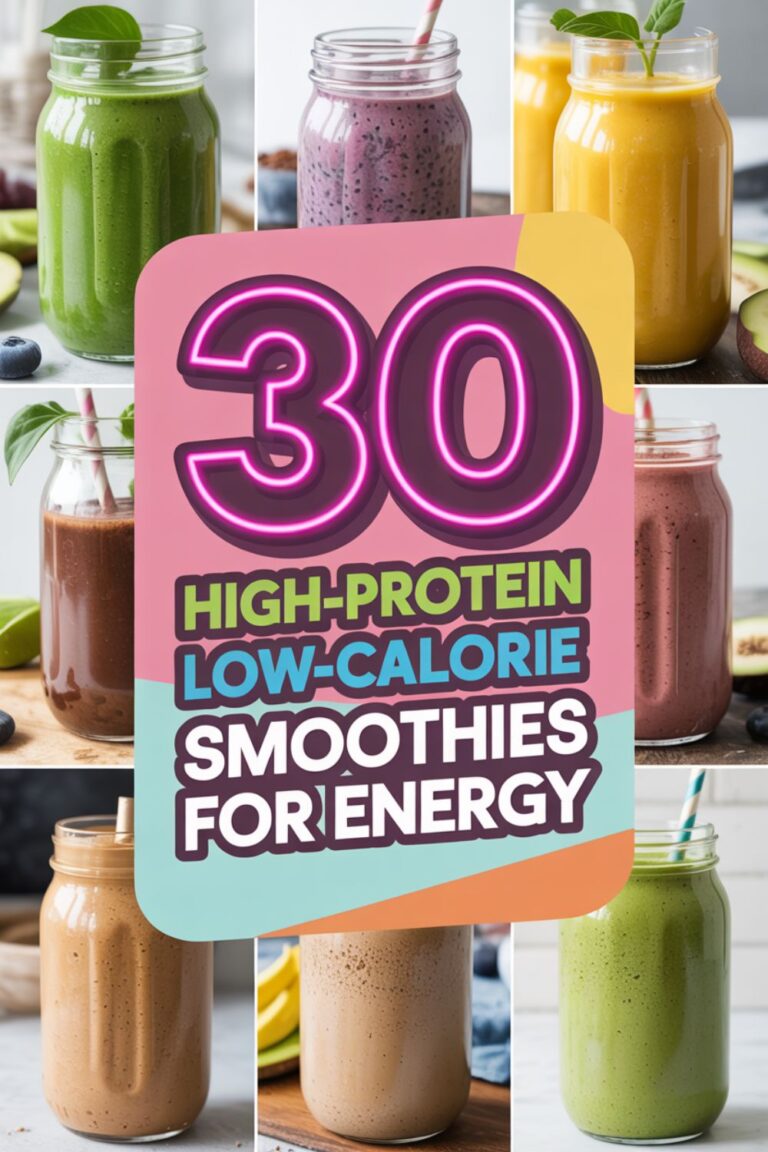
Breakfast: Protein smoothie with banana, spinach, protein powder, and almond milk (310 calories, 30g protein). Blend it in a high-speed blender for the smoothest texture.
Lunch: Tuna salad over mixed greens with cherry tomatoes and cucumbers (350 calories, 33g protein). Skip the mayo and use Greek yogurt instead—you won’t even notice the difference.
Dinner: Grilled chicken breast with roasted sweet potato and green beans (430 calories, 40g protein). Get Full Recipe
Snack: Protein shake with berries (160 calories, 24g protein)
Thursday: Power Through
Breakfast: Overnight oats with protein powder, chia seeds, and blueberries (330 calories, 26g protein). Mix everything in these glass meal prep containers and let the fridge do the work.
Lunch: Grilled shrimp and avocado salad (370 calories, 35g protein). If you’ve never grilled shrimp before, it takes literally 2-3 minutes per side. Don’t overthink it.
Dinner: Turkey meatballs with zucchini noodles and marinara sauce (400 calories, 38g protein). Get Full Recipe. I use a spiralizer to make perfect zucchini noodles.
Snack: String cheese and apple slices (170 calories, 8g protein)
Speaking of creative dinner ideas, you might love these sheet pan dinners or these one-pan meals for even easier cleanup.
Friday: Almost There
Breakfast: Egg white omelet with mushrooms, tomatoes, and feta cheese (290 calories, 27g protein)
Lunch: Chicken and vegetable soup with white beans (360 calories, 32g protein). Make a big batch in your slow cooker on Sunday and portion it out for the week.
Dinner: Grilled tilapia with asparagus and brown rice (415 calories, 36g protein). Get Full Recipe
Snack: Edamame with sea salt (150 calories, 17g protein)
Saturday: Weekend Warrior
Breakfast: Protein pancakes topped with Greek yogurt and berries (350 calories, 28g protein). These protein pancake recipes are legit delicious, not the cardboard-tasting variety.
Lunch: Grilled chicken Caesar salad (light on the dressing) (380 calories, 37g protein)
Dinner: Lean pork tenderloin with roasted Brussels sprouts and cauliflower mash (425 calories, 39g protein). Get Full Recipe
Snack: Celery sticks with almond butter (140 calories, 6g protein)
Sunday: Meal Prep Day
Breakfast: Breakfast burrito bowl with scrambled eggs, black beans, salsa, and avocado (360 calories, 30g protein)
Lunch: Baked cod with roasted vegetables (350 calories, 34g protein)
Dinner: Chicken stir-fry with mixed vegetables and brown rice (410 calories, 38g protein). Get Full Recipe. Use this time to prep for the upcoming week.
Snack: Protein bar (look for ones with at least 20g protein) (200 calories, 20g protein)
Meal Prep Essentials That Make This Plan Possible
Look, you can have the best meal plan in the world, but if you don’t have the right tools, you’re setting yourself up for frustration. Here’s what actually makes meal prepping easier, not harder.
Physical Products That Save Time
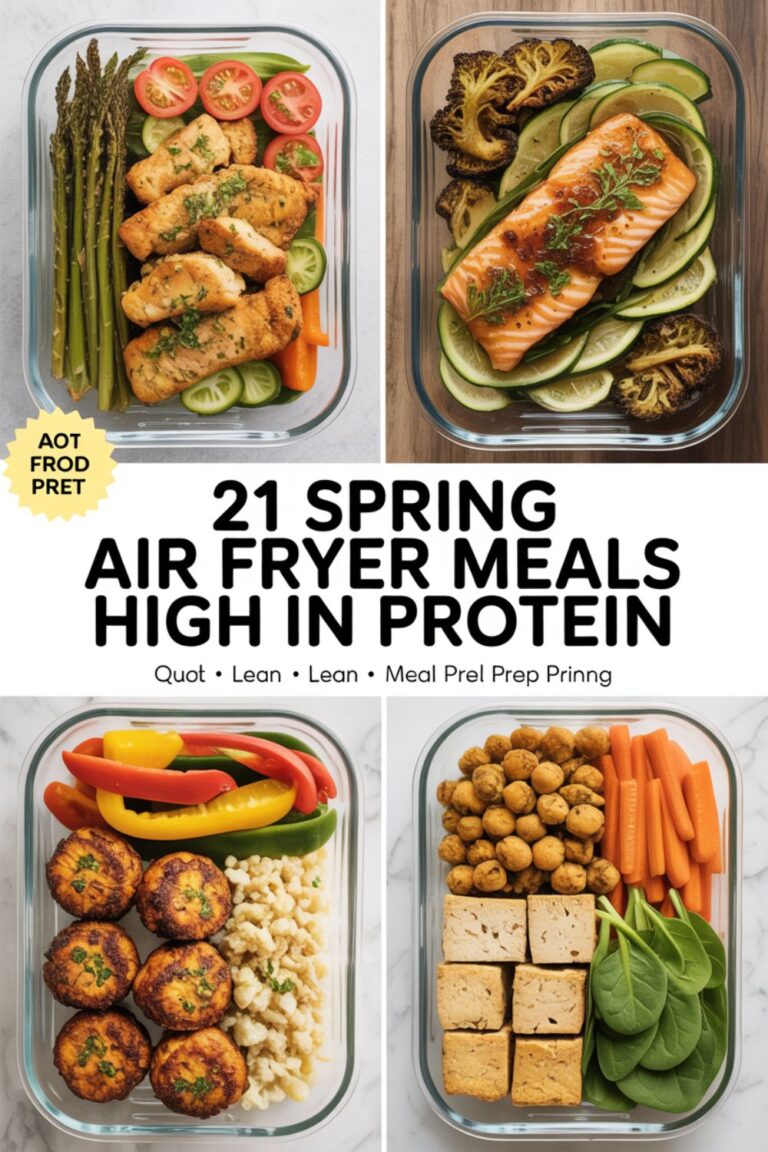
1. Glass Meal Prep Containers (Set of 10) – Forget plastic that stains and warps. Glass containers keep food fresh longer, won’t absorb odors, and you can reheat directly in them. Get ones with divided sections to keep proteins separate from veggies.
2. Digital Food Scale – I resisted this for the longest time, thinking it was overkill. Wrong. Knowing exactly how much protein you’re eating makes all the difference. Plus, it takes 5 seconds to weigh your chicken breast.
3. Insulated Lunch Bag with Ice Packs – Because nobody wants warm cottage cheese at noon. A good lunch bag keeps your prepped meals fresh from morning until lunch without question.
Digital Resources That Keep You on Track
1. MyFitnessPal Premium (Digital Download) – The free version works fine, but premium removes ads and gives you better macro tracking. Worth every penny if you’re serious about hitting your protein goals.
2. Meal Prep Cookbook Bundle (PDF) – Having 200+ pre-calculated recipes at your fingertips eliminates the guesswork. No more wondering if that chicken dish fits your macros—it’s already done for you.
3. Printable Meal Planning Templates – I’m old school and like writing things down. These templates let you plan your week visually, check off what you’ve prepped, and adjust as needed. Plus, sticking it on the fridge keeps you accountable.
For even more meal prep inspiration, these 30 meals perfect for meal prep will keep your rotation fresh.
The Protein Sources You Should Be Eating
Not all proteins are created equal, and honestly, variety is what keeps this plan from getting boring. Research shows that spreading protein intake throughout the day optimizes muscle maintenance and satiety.
Lean Meats: Chicken breast, turkey, lean beef (93% lean or higher), pork tenderloin. These are your staples. Season them well because bland protein is the fastest way to fall off the wagon.
Fish and Seafood: Salmon, tuna, cod, tilapia, shrimp. Fish has the added bonus of omega-3 fatty acids, which help with inflammation and brain health. Win-win.
Eggs and Dairy: Whole eggs, egg whites, Greek yogurt, cottage cheese, low-fat cheese. Greek yogurt is criminally underrated—it’s basically protein pudding if you add the right toppings.
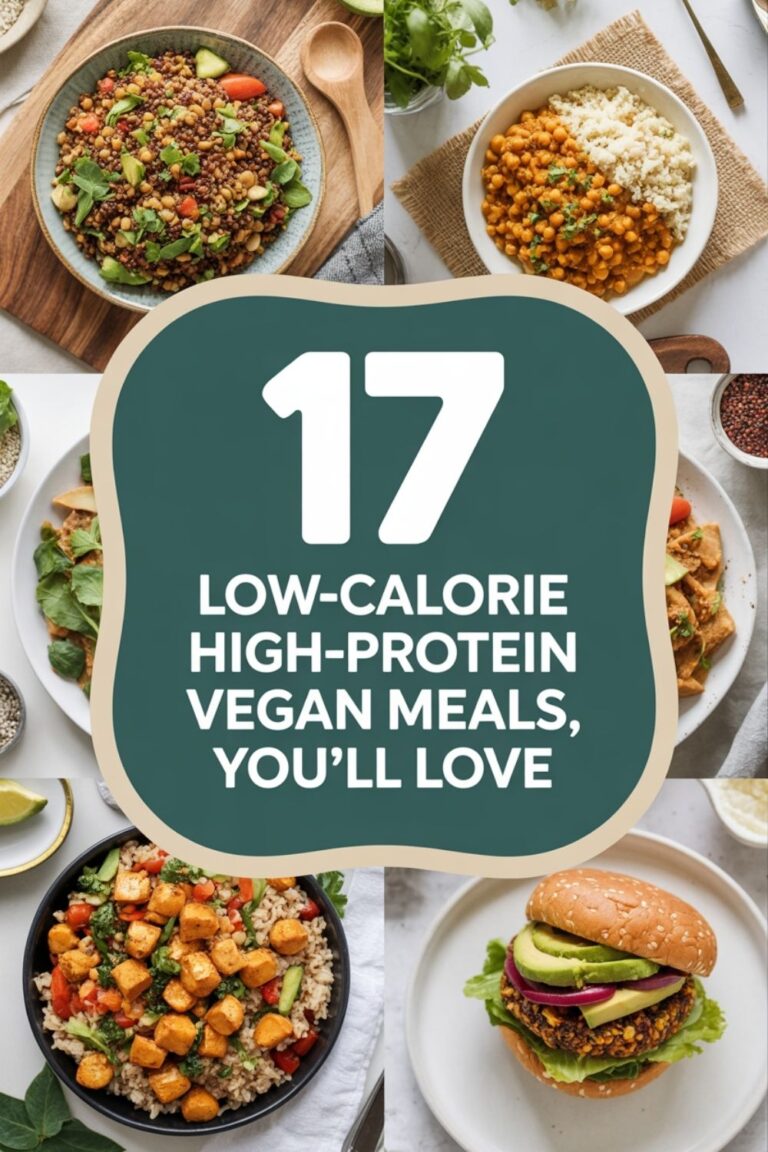
Plant-Based Options: Tofu, tempeh, edamame, lentils, chickpeas, black beans. Even if you’re not vegetarian, rotating in plant proteins keeps things interesting and adds fiber, which helps with digestion. Check out these vegan high-protein meals for ideas.
Protein Supplements: Whey protein, casein protein, plant-based protein powder. These aren’t necessary, but they’re convenient when you’re in a rush. Just avoid the ones loaded with sugar and artificial junk.
Common Mistakes That Sabotage Weight Loss
Let me save you some time and frustration by calling out the mistakes I see people make over and over again.
Eating Too Little Fat: Yes, you want low-calorie, but cutting fat too aggressively makes food taste terrible and leaves you unsatisfied. Include healthy fats like avocado, nuts, olive oil, and fatty fish. A tablespoon of almond butter in your smoothie or olive oil on your salad makes everything better.
Not Tracking Anything: I’m not saying you need to obsess over every calorie, but if you’re not tracking protein at all, you’re probably not hitting your goals. Even just logging your meals for a week gives you a reality check on portion sizes.
Skipping Meals to “Save Calories”: This always backfires. You get too hungry, make poor choices, and end up eating more than if you’d just had a balanced meal. Eat regular meals, especially breakfast. Studies suggest that moving protein from dinner to breakfast can help with weight management by decreasing hunger throughout the day.
Ignoring Hydration: Water doesn’t have protein or calories, but it’s essential for weight loss. Sometimes you think you’re hungry when you’re actually just thirsty. Drink at least 8 glasses a day, more if you’re active.
Neglecting Vegetables: Protein is crucial, but vegetables add volume, fiber, and nutrients without many calories. They fill your plate and your stomach, making the whole plan more sustainable.
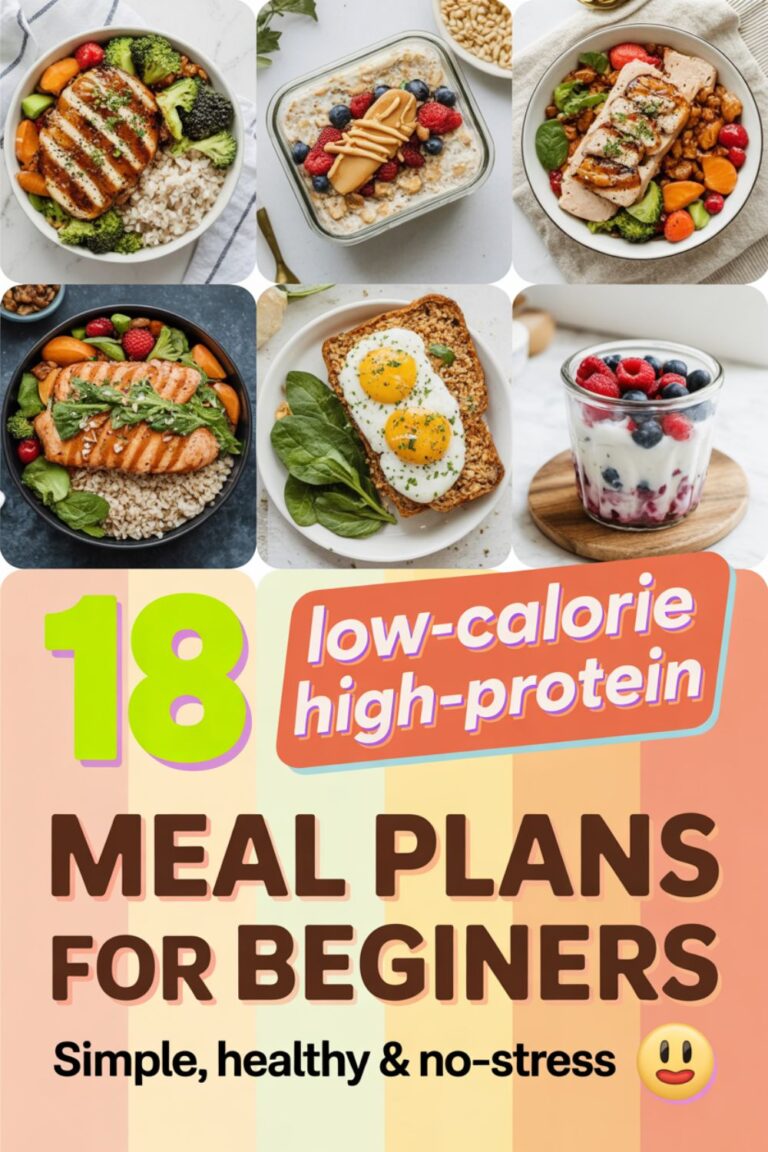
If you’re just getting started, these meal ideas for beginners and this 7-day beginner plan will ease you into the routine without overwhelming you.
How to Adjust This Plan for Your Needs
Here’s the deal—I gave you a solid framework, but you’re not a robot. Your calorie and protein needs depend on your size, activity level, and goals.
If You’re Very Active: Add 200-300 more calories through extra protein or healthy carbs. Think an extra chicken breast at lunch or a larger sweet potato at dinner. Athletes and regular gym-goers need more fuel. These athlete meal prep ideas might be more your speed.
If You’re Sedentary: Stick to the lower end of the calorie range. You might even drop it to 1,300-1,400 calories if you’re petite or have a very sedentary job. Just don’t go below 1,200 without talking to a doctor.
If You’re Vegetarian: Swap the animal proteins for plant-based options like tofu, tempeh, seitan, or legumes. Just watch your overall calorie intake since some plant proteins come with more carbs.
If You Have Dietary Restrictions: Most of these meals are easily adaptable. Dairy-free? Use coconut yogurt and skip the cheese. Gluten-free? Swap regular bread for gluten-free alternatives or just skip it entirely. The core principle—high protein, low calorie—remains the same.
For more flexibility, these 5-ingredient meals and simple recipes keep things ridiculously easy.
The Truth About Cheat Meals and Flexibility
Real talk: if you think you’re going to eat perfectly forever, you’re lying to yourself. Life happens. Birthdays, holidays, that random Tuesday when you just need pizza—they’re all part of being human.
IMO, scheduling a cheat meal once a week keeps you sane. Saturday night? Enjoy that burger or pasta without guilt. Just don’t turn it into a cheat weekend where you undo all your hard work.
The 80/20 rule applies here. If you’re eating well 80% of the time, the other 20% won’t derail you. But flip those numbers, and you’ll be wondering why the scale isn’t moving.
Also, don’t use cheat meals as an excuse to binge. Enjoy your favorite foods in reasonable portions, then get back on track the next day. No guilt, no drama, just consistency over time.
When you need comfort food that still fits the plan, check out these comfort foods that actually work or these comfort food recipes.
Why Meal Timing Actually Matters
Some people swear by intermittent fasting, others eat six small meals a day. Honestly? The best meal timing is whatever you can stick to consistently. But here are some general guidelines that work for most people.
Breakfast Within an Hour of Waking: Kickstarts your metabolism and prevents overeating later. Even if you’re not hungry, have something small with protein.
Lunch 4-5 Hours After Breakfast: This spacing prevents energy crashes and keeps hunger manageable. Pack your lunch the night before so you’re not scrambling.
Dinner 5-6 Hours After Lunch: Try to eat at least 2-3 hours before bed. Late dinners can mess with sleep and digestion.
Snacks as Needed: If you’re genuinely hungry between meals, have a high-protein snack. But be honest with yourself—are you hungry or just bored?
Post-workout meals deserve special attention. If you exercise, eat protein within 2 hours after your workout to support muscle recovery. These muscle recovery recipes and post-workout meals are designed exactly for this purpose.
Frequently Asked Questions
How much protein should I eat per day for weight loss?
Most people benefit from 0.7-1 gram of protein per pound of body weight. So if you weigh 150 pounds, aim for 105-150 grams daily. This helps preserve muscle while creating the calorie deficit needed for fat loss. Don’t overthink it—hitting within 10-15 grams of your target is perfectly fine.
Can I lose weight on a high-protein diet without exercise?
Technically yes, but you’ll get much better results with exercise. Weight loss happens in the kitchen, but muscle maintenance and overall health require movement. Even 30 minutes of walking daily makes a huge difference. If you’re not exercising at all, you might lose muscle along with fat, which slows your metabolism long-term.
Will eating too much protein damage my kidneys?
For people with healthy kidneys, high protein intake is safe. Decades of research show no kidney damage in healthy individuals eating high-protein diets. However, if you have existing kidney disease, talk to your doctor before significantly increasing protein. But for the average person following this plan, you’re totally fine.
What if I get tired of chicken and eggs?
Then stop eating so much chicken and eggs! Rotate through fish, lean beef, pork tenderloin, turkey, and plant-based proteins like tofu and tempeh. Greek yogurt, cottage cheese, and protein shakes also count toward your daily intake. Variety prevents burnout and ensures you’re getting different nutrients.
How long should I follow this meal plan?
This isn’t a temporary diet—it’s a sustainable approach you can follow indefinitely. Most people see results within 2-4 weeks. Once you hit your goal weight, adjust your portions slightly to maintain rather than lose. The high-protein approach works for both weight loss and maintenance.
Final Thoughts: Making This Work Long-Term
Here’s what nobody tells you about meal plans: the first week is easy because you’re motivated. Week two gets harder. By week three, you’ll be tempted to quit. That’s normal. Push through it.
The people who succeed with this plan are the ones who prep their food, track their protein, and don’t let one bad meal turn into a bad week. They’re the ones who adjust when life gets crazy instead of abandoning the plan entirely.
You don’t need to be perfect. You just need to be consistent most of the time. Meal prep on Sundays makes weekdays easier. Keep high-protein snacks accessible. Drink your water. Get some sleep. Move your body.
Weight loss isn’t complicated, but it does require commitment. This meal plan gives you the roadmap. Actually following it? That’s on you. But if you stick with it for even four weeks, you’ll see changes—not just on the scale, but in how you feel, how your clothes fit, and how much energy you have.
Stop overthinking it. Start with Monday’s meal plan, prep what you can, and take it one day at a time. You’ve got this.